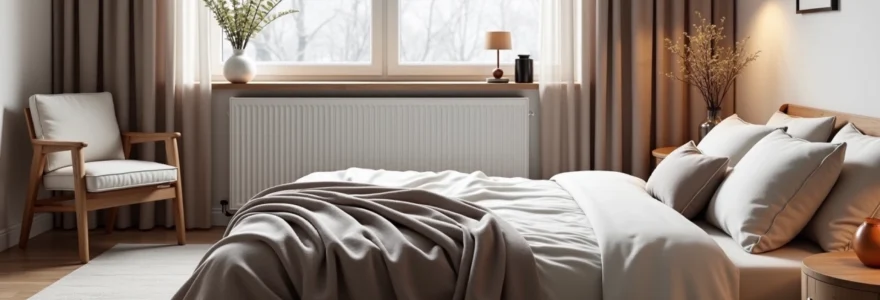
The modern bedroom has evolved far beyond its traditional role as merely a place to sleep. In our increasingly hectic world, creating a sanctuary that promotes genuine rest, tranquillity, and wellbeing has become essential for mental and physical health. Scandinavian bedroom design offers a masterful solution to this contemporary challenge, combining centuries-old Nordic wisdom with modern functionality to create spaces that actively enhance quality of life.
Scandinavian design philosophy recognises that the bedroom serves as our most intimate refuge, where we retreat from daily stresses and prepare for restorative sleep. This approach transforms bedrooms into carefully orchestrated environments that support natural circadian rhythms, reduce anxiety, and promote deeper relaxation. By emphasising simplicity, natural materials, and thoughtful spatial organisation, Nordic design principles create bedrooms that feel both luxuriously comfortable and refreshingly uncluttered.
The transformative power of Scandinavian bedroom design lies in its ability to address fundamental human needs for order, comfort, and connection to nature. Rather than overwhelming the senses with decorative excess, this design philosophy creates spaces that allow the mind to decompress naturally, making it easier to achieve the deep, restorative sleep that modern life often disrupts.
Core scandinavian design principles for bedroom architecture
Scandinavian bedroom design operates on fundamental principles that prioritise human wellbeing above aesthetic trends. These core concepts have been refined over generations of Nordic living, where harsh climates and limited daylight hours have necessitated the creation of indoor environments that actively support mental and physical health. The architectural approach begins with understanding the bedroom as a holistic ecosystem rather than simply a decorated room.
Hygge philosophy integration in sleeping spaces
The Danish concept of hygge transforms bedroom design from a purely functional exercise into an art of creating atmospheric comfort. This philosophy emphasises the cultivation of cosy contentment through carefully considered environmental elements that engage multiple senses simultaneously. Hygge-inspired bedrooms feature soft textures that invite touch, warm lighting that soothes the eyes, and spatial arrangements that encourage relaxation and intimacy.
Implementing hygge principles requires attention to micro-environments within the bedroom space. A reading nook with a plush armchair positioned near natural light creates a sanctuary within a sanctuary. Layered textiles including wool throws, linen cushions, and sheepskin rugs provide tactile variety that supports the nervous system’s need for sensory comfort. These elements work together to create what sleep researchers call “environmental security” – the subconscious feeling of safety that enables deeper rest.
Lagom balance methodology for spatial harmony
Swedish lagom represents the art of achieving perfect balance – neither too much nor too little, but precisely what is needed for optimal function and comfort. In bedroom design, lagom manifests as careful curation of elements, ensuring each piece serves multiple purposes while contributing to visual harmony. This approach prevents the sensory overwhelm that can interfere with the mind’s ability to transition into sleep mode.
Lagom-based bedroom planning involves systematic evaluation of every element’s necessity and contribution to overall wellbeing. Furniture selection focuses on pieces that provide maximum utility without visual clutter. Storage solutions integrate seamlessly into architectural elements, maintaining clean sight lines that promote mental clarity. The result is a space that feels neither sparse nor crowded, but perfectly calibrated to support rest and rejuvenation.
Minimalist functional zoning techniques
Scandinavian bedrooms utilise subtle zoning strategies that create distinct areas for different activities while maintaining spatial cohesion. These zones typically include dedicated areas for sleep, dressing, and quiet activities like reading or meditation. Each zone is defined through lighting, furniture placement, and material changes rather than physical barriers, preserving the sense of spaciousness essential to Nordic design.
The sleep zone forms the bedroom’s primary focus, positioned to optimise natural light exposure during waking hours while ensuring darkness during sleep periods. Secondary zones support the bedroom’s extended functions without compromising the primary sleep environment. This zoning approach acknowledges that modern bedrooms often serve multiple purposes while ensuring that each function enhances rather than detracts from the space’s restorative qualities.
Natural light maximisation through strategic window placement
Nordic countries’ extreme seasonal light variations have made natural light management a cornerstone of Scandinavian design expertise. Bedroom layouts prioritise window placement and size to capture maximum daylight during short winter days while preventing excessive heat during bright summer months. This careful balance supports healthy circadian rhythm regulation throughout the year.
Strategic window treatments play a crucial role in light management, utilising materials and positioning that allow fine control over illumination levels. Layered window coverings enable gradual light transitions that mirror natural dawn and dusk patterns, supporting the body’s natural sleep-wake cycles. These systems recognise that light exposure timing and intensity significantly impact sleep quality and overall wellbeing.
Essential scandinavian colour psychology and material selection
The psychological impact of colour and material choices in bedroom environments has been extensively studied, with research consistently demonstrating their profound effects on stress levels, sleep quality, and emotional wellbeing. Scandinavian design leverages this knowledge to create bedrooms that actively promote relaxation and restoration through carefully selected palettes and textures that work in harmony with human psychology.
Nordic white palette variations: cloudberry to glacier tones
The Scandinavian white palette extends far beyond simple white paint, encompassing a sophisticated range of tones that reflect Nordic landscapes and lighting conditions. Cloudberry whites contain subtle yellow undertones that create warmth during grey winter days, while glacier whites incorporate blue undertones that feel crisp and refreshing during bright summer months. These variations allow for seasonal adaptation while maintaining the psychological benefits of light-coloured environments.
Each white variation serves specific psychological and practical functions within bedroom environments. Warm whites reduce the stark institutional feeling that can make bedrooms feel cold and unwelcoming, while cooler whites prevent spaces from feeling cramped or stuffy. The key lies in selecting white tones that complement natural light patterns in your specific location, creating environments that feel harmonious throughout daily and seasonal cycles.
Birch wood grain patterns and acoustic properties
Birch wood’s prominence in Scandinavian bedroom design stems from both its aesthetic and functional properties. The wood’s distinctive grain patterns create visual interest without overwhelming the senses, while its natural acoustic properties help dampen sound transmission – crucial for creating the quiet environments necessary for quality sleep. Birch’s light colouration maintains the bright, airy feeling essential to Nordic design philosophy.
The acoustic benefits of birch extend beyond simple sound dampening to include the creation of more pleasant sound qualities within bedroom spaces. The wood’s density and grain structure naturally filter harsh frequencies while preserving gentle, soothing sounds. This creates an acoustic environment that supports relaxation and helps mask potentially disruptive external noises that could interfere with sleep cycles.
Wool textile integration: faroese and icelandic weaving techniques
Traditional Nordic weaving techniques produce textiles that offer superior thermal regulation and moisture management – essential qualities for creating comfortable sleep environments. Faroese wool’s unique structure provides insulation without weight, while Icelandic wool’s durability ensures long-lasting performance in bedroom textiles. These materials work with the body’s natural temperature regulation systems rather than against them.
The integration of these wool textiles creates micro-climates within bedroom environments that adapt to changing temperatures throughout the night. Unlike synthetic materials that can trap heat and moisture, traditional Nordic wools breathe naturally, helping maintain optimal body temperature for uninterrupted sleep. The tactile qualities of these materials also provide psychological comfort, contributing to the sense of security that enables deep rest.
Stone accent implementation: norwegian slate and swedish granite
Strategic use of stone accents in Scandinavian bedrooms provides thermal mass that helps regulate temperature fluctuations while adding textural contrast that grounds the space. Norwegian slate’s smooth texture and subtle colour variations create focal points that draw the eye without overstimulating the senses. Swedish granite’s durability and natural beauty provide lasting architectural elements that age gracefully over time.
Stone accents serve both aesthetic and practical functions, creating surfaces that remain cool in summer and store warmth in winter. These thermal properties contribute to bedroom environments that feel comfortable across seasons without requiring excessive heating or cooling. The psychological impact of natural stone also connects bedroom occupants to the natural world, supporting the biophilic elements essential to Scandinavian design philosophy.
Functional storage solutions using nordic carpentry methods
Scandinavian carpentry traditions have evolved sophisticated storage solutions that maximise functionality while maintaining the clean, uncluttered aesthetic essential to restful bedroom environments. These methods prioritise accessibility and organisation while ensuring that storage elements integrate seamlessly into the overall design scheme. Traditional Nordic carpentry techniques create furniture that serves multiple functions without compromising quality or durability.
Built-in storage solutions utilise vertical space efficiently while maintaining horizontal sight lines that preserve the sense of spaciousness crucial to Scandinavian design. Wall-mounted units with clean lines eliminate visual clutter at floor level, making rooms appear larger and easier to clean. These systems acknowledge that bedroom storage needs extend beyond clothing to include seasonal items, bedding, and personal effects that must remain organised yet accessible.
Under-bed storage systems represent a pinnacle of Nordic functional design, providing substantial storage capacity without visible bulk. These solutions often incorporate sophisticated sliding mechanisms and modular organisation systems that make maximum use of available space. The integration of these storage elements into bed frame design eliminates the need for separate storage furniture, contributing to the minimalist aesthetic while enhancing functionality.
Modular wardrobe systems adapt to changing needs while maintaining consistent visual appeal across their lifespan. These systems utilise precision joinery techniques that ensure durability and smooth operation over decades of use. The flexibility of modular design allows for reconfiguration as storage needs evolve, supporting the sustainable approach to consumption that defines Scandinavian lifestyle philosophy.
The most successful Scandinavian bedroom storage solutions are those that become invisible in daily use while providing maximum utility when needed.
Biophilic elements and indoor air quality optimisation
The integration of biophilic elements in Scandinavian bedroom design extends beyond simple plant placement to encompass a comprehensive approach to creating environments that support human health through connection with nature. This approach recognises that indoor air quality significantly impacts sleep quality and overall wellbeing, making plant selection and placement crucial elements of bedroom design. Strategic plant placement creates natural air filtration systems while providing visual connections to the natural world that reduce stress and promote relaxation.
Plant selection for bedroom environments focuses on species that improve air quality during nighttime hours rather than competing with human oxygen consumption. Snake plants, peace lilies, and aloe vera provide continuous air purification while requiring minimal maintenance and thriving in low-light conditions common to bedroom environments. These plants also contribute to humidity regulation, helping maintain optimal conditions for respiratory health during sleep.
Natural material integration extends biophilic principles throughout bedroom environments, using untreated woods, natural fibres, and mineral elements that continue to interact with indoor air long after installation. These materials help regulate humidity levels naturally while avoiding the off-gassing associated with synthetic materials that can compromise indoor air quality. The result is an environment that actively supports respiratory health while providing the aesthetic benefits of natural materials.
Ventilation design in Scandinavian bedrooms emphasises gentle air movement that maintains fresh air circulation without creating drafts or noise that could disturb sleep. Natural ventilation strategies utilise temperature differentials and strategic opening placement to create passive air circulation systems. These approaches reduce dependence on mechanical ventilation while ensuring consistent air quality throughout sleeping hours.
Scandinavian lighting design systems for circadian rhythm regulation
Lighting design in Scandinavian bedrooms operates as a sophisticated system that supports natural circadian rhythms while providing flexible illumination for various activities. This approach recognises that light exposure timing and intensity significantly impact sleep quality, mood regulation, and overall health. Nordic lighting design has evolved to address the extreme seasonal light variations that characterise Scandinavian climates, making these principles particularly valuable for supporting healthy sleep patterns.
Pendant lamp positioning: muuto and normann copenhagen techniques
Contemporary Scandinavian lighting design utilises pendant lamps positioned to provide task lighting without overwhelming the bedroom’s restful atmosphere. Strategic placement creates pools of light that support specific activities like reading while maintaining overall ambient light levels conducive to relaxation. The positioning techniques developed by leading Nordic design houses emphasise functionality while maintaining the clean aesthetic lines essential to Scandinavian style.
Height and spacing calculations for pendant lamps ensure optimal light distribution while preventing glare that could interfere with evening relaxation routines. These calculations consider both the technical requirements for adequate illumination and the psychological impact of light positioning on perceived comfort and security. The result is lighting that enhances rather than detracts from the bedroom’s role as a restorative environment.
Candle placement strategies following danish hygge traditions
Traditional Danish hygge practices emphasise candlelight’s unique ability to create atmospheric warmth while supporting the transition from active daytime states to restful evening modes. Strategic candle placement throughout bedroom environments creates multiple focal points that draw attention away from daily stresses while providing gentle illumination that doesn’t interfere with natural sleep preparation processes.
Safety considerations in candle placement ensure that hygge practices can be maintained without compromising bedroom security. This includes utilising stable surfaces away from fabrics, ensuring adequate ventilation, and positioning candles where they cannot be accidentally disturbed during sleep. Modern interpretations often incorporate battery-operated candles that provide similar atmospheric benefits without safety concerns, particularly valuable in bedrooms where open flames might pose risks.
Natural light filtering through linen window treatments
Linen window treatments provide sophisticated light control that supports both daytime comfort and nighttime darkness requirements. The natural fibre structure of linen filters harsh sunlight while maintaining connection to outdoor conditions, supporting circadian rhythm regulation through subtle light cues. These treatments age gracefully, developing character that enhances rather than detracts from bedroom aesthetics over time.
Layered linen systems enable fine-tuned light control throughout daily and seasonal cycles. Combinations of sheer and heavier linen panels allow for gradual transitions between light levels, mimicking natural dawn and dusk patterns that support healthy sleep-wake cycles. These systems acknowledge that optimal bedroom lighting varies throughout the day and across seasons, providing flexibility to maintain comfort year-round.
Task lighting integration using IKEA and HAY design principles
Task lighting in Scandinavian bedrooms serves specific functions without compromising the overall lighting design’s support for relaxation and rest. Design principles emphasise adjustable systems that can be dimmed or redirected as activities change throughout evening routines. These systems recognise that bedroom activities extend beyond sleep to include reading, gentle exercise, and personal care activities that require appropriate illumination.
Integration techniques ensure that task lighting elements contribute to rather than detract from bedroom aesthetics. This involves selecting fixtures that complement overall design themes while providing superior functionality. The emphasis on quality and durability ensures that lighting investments continue to serve their intended functions across years of daily use, supporting the sustainable consumption principles central to Scandinavian lifestyle philosophy.
Temperature control and thermal comfort in nordic climates
Thermal comfort management in Scandinavian bedrooms represents a sophisticated understanding of how temperature regulation impacts sleep quality and overall wellbeing. Nordic climate conditions have necessitated the development of heating and cooling strategies that maintain optimal bedroom temperatures while minimising energy consumption and environmental impact. These approaches recognise that thermal comfort involves more than simple air temperature, encompassing humidity, air movement, and radiant temperature factors that collectively influence sleep quality.
Radiant heating systems integrated into bedroom floors provide gentle, even warmth that eliminates cold spots while maintaining comfortable humidity levels. These systems create thermal environments that support the body’s natural temperature regulation during sleep cycles, when core body temperature naturally decreases to promote deep rest. The absence of forced air movement reduces dust circulation and noise, contributing to cleaner, quieter sleeping environments.
Insulation strategies in Scandinavian bedrooms focus on creating thermal envelopes that maintain stable temperatures with minimal energy input. High-performance insulation materials and careful attention to thermal bridging create environments that remain comfortable across extreme seasonal temperature variations. These strategies support both environmental sustainability and bedroom comfort, reducing the need for active heating and cooling systems that can create uncomfortable air movement or noise.
Natural ventilation integration works in harmony with thermal control systems to maintain air quality while supporting temperature regulation. Strategic window placement and automated opening systems provide fresh air circulation during appropriate weather conditions while maintaining thermal comfort. These systems can adapt to seasonal changes automatically, supporting optimal bedroom conditions year-round without requiring constant manual adjustment.
Material selection for bedding and furnishings considers thermal properties alongside aesthetic and comfort factors. Natural fibres with superior breathability and moisture management properties help regulate body temperature during sleep while providing the tactile comfort essential to restful environments. These materials work with rather than against the body’s natural thermoregulation systems, supporting deeper, more restorative sleep patterns that characterise the Nordic approach to bedroom design.