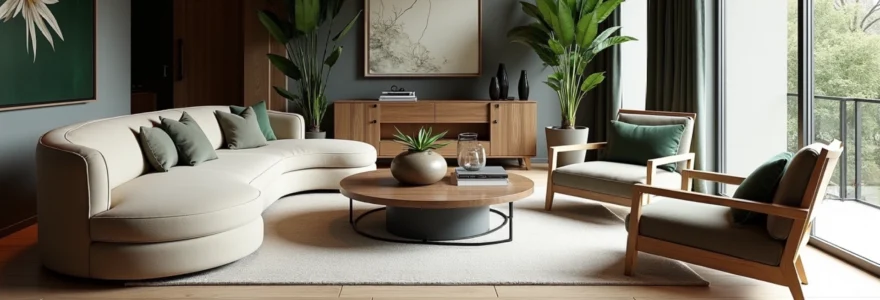
The interior design landscape is experiencing a profound transformation as homeowners increasingly seek spaces that reflect both environmental consciousness and personal expression. Contemporary interior trends are moving beyond mere aesthetic appeal to embrace functionality, sustainability, and wellness in ways that were unimaginable just a few years ago. From the integration of living walls that purify indoor air to the revival of bold maximalist patterns that celebrate individuality, today’s design movements are reshaping how we conceptualise and inhabit our living spaces.
This evolution represents more than a simple shift in style preferences; it reflects broader cultural changes towards mindful living, technological integration, and environmental responsibility. Modern homeowners are demanding spaces that serve multiple purposes while maintaining visual appeal and supporting their well-being. The result is a fascinating convergence of traditional craftsmanship with cutting-edge innovation, creating interiors that are both timeless and thoroughly contemporary.
Biophilic design integration: natural elements revolutionising contemporary living spaces
Biophilic design has emerged as one of the most significant movements in contemporary interior architecture, fundamentally transforming how designers approach residential and commercial spaces. This design philosophy centres on humanity’s innate connection to nature, incorporating natural elements to create environments that promote psychological well-being and environmental sustainability. Research indicates that biophilic design can reduce stress levels by up to 15% and improve cognitive function by 6%, making it far more than a mere aesthetic choice.
The implementation of biophilic principles extends beyond simply adding a few houseplants to a room. Successful biophilic design requires a holistic approach that considers air quality, natural light exposure, acoustic properties, and tactile experiences. Modern homeowners are increasingly drawn to spaces that blur the boundaries between indoor and outdoor environments, creating seamless transitions that enhance daily living experiences while reducing their environmental footprint.
Living walls and vertical garden systems in urban residential architecture
Living walls have become sophisticated architectural features that serve multiple functions beyond their striking visual appeal. These vertical garden systems can incorporate complex irrigation networks, automated nutrient delivery systems, and specialized lighting to support diverse plant ecosystems within residential settings. Contemporary installations often feature modular designs that allow homeowners to customize plant selections based on seasonal preferences and maintenance capabilities.
The technology supporting modern living walls has advanced considerably, with some systems incorporating sensors that monitor moisture levels, pH balance, and nutrient concentrations automatically. These intelligent systems can maintain optimal growing conditions while minimizing water consumption and reducing maintenance requirements. Urban dwellers particularly benefit from these installations, as they provide opportunities to cultivate fresh herbs and vegetables within limited space constraints.
Natural light optimisation through skylights and clerestory windows
Strategic natural light optimization has become a cornerstone of contemporary interior design, with architects and designers employing increasingly sophisticated approaches to maximise daylight penetration while controlling glare and heat gain. Clerestory windows, positioned high on walls to capture indirect sunlight, create dramatic lighting effects while maintaining privacy in dense urban environments. These architectural elements can reduce artificial lighting requirements by up to 40% during daylight hours.
Modern skylight technology incorporates dynamic glazing systems that automatically adjust transparency based on external light conditions and internal temperature requirements. Some advanced installations feature integrated solar panels that generate electricity while controlling light transmission, creating truly multifunctional architectural elements. The strategic placement of these features can transform previously dark interior spaces into bright, welcoming environments that change character throughout the day.
Organic material selection: reclaimed wood and stone applications
The selection of organic materials has evolved into a sophisticated science that considers not only aesthetic appeal but also environmental impact, durability, and health implications. Reclaimed wood applications range from dramatic feature walls to custom furniture pieces, each telling a unique story through visible grain patterns and weathering characteristics. Sustainable sourcing has become paramount, with designers increasingly specifying materials with verified provenance and low environmental impact.
Natural stone applications have expanded beyond traditional flooring and countertop installations to include accent walls, room dividers, and sculptural elements. Modern stone-cutting technologies allow for precise shaping while preserving natural texture variations, creating installations that appear organically integrated into architectural frameworks. These materials often improve indoor air quality by naturally regulating humidity levels and providing thermal mass that moderates temperature fluctuations.
Water feature integration: indoor fountains and reflecting pools
Water features have evolved from simple decorative elements to sophisticated systems that enhance indoor environments through multiple sensory channels. Contemporary installations often incorporate recirculating systems that conserve water while providing the psychological benefits associated with moving water sounds and visual movement. These features can increase perceived air humidity by 10-15% without requiring mechanical humidification systems.
Modern water feature designs range from minimalist reflecting pools that create meditative focal points to dynamic fountains that serve as room dividers while masking urban noise pollution. Advanced filtration systems maintain water clarity using UV sterilization and biological filtration methods, eliminating the need for chemical treatments. Some installations incorporate aquaponics systems that combine fish cultivation with plant growth, creating self-sustaining ecosystems within residential settings.
Maximalist revival: bold pattern mixing and colour saturation techniques
The maximalist revival represents a dramatic departure from the minimalist aesthetic that dominated interior design for the past decade. This movement celebrates abundance, personal expression, and cultural diversity through bold pattern combinations, saturated colour palettes, and eclectic object collections. Contemporary maximalism differs significantly from historical approaches by maintaining underlying organizational principles that prevent visual chaos while encouraging creative expression.
Modern maximalist interiors demonstrate sophisticated understanding of colour theory, scale relationships, and cultural symbolism. Designers working within this aesthetic framework often employ advanced digital tools to visualize complex pattern interactions and colour relationships before implementation. The result is spaces that appear spontaneous and personal while actually representing carefully orchestrated design decisions. This approach appeals particularly to younger homeowners seeking to create distinctive environments that reflect their individual personalities and cultural backgrounds.
Chinoiserie wallpaper patterns in contemporary british interiors
Chinoiserie patterns have experienced a remarkable renaissance in contemporary British interior design, evolving from traditional applications to sophisticated interpretations that blend historical motifs with modern colour palettes and printing techniques. Contemporary chinoiserie wallpapers often feature enlarged scales, unexpected colour combinations, and metallic accents that create dramatic focal points within modern room layouts. These patterns work particularly well in spaces with high ceilings and generous proportions, where their intricate details can be properly appreciated.
Modern printing technologies allow for unprecedented precision in reproducing traditional motifs while introducing subtle variations that prevent repetitive appearance. Many contemporary chinoiserie designs incorporate hand-painted elements or metallic foiling that creates depth and visual interest under varying lighting conditions. The resurgence of these patterns reflects broader cultural interest in global design traditions and the desire to create spaces with rich narrative content.
Jewel-toned velvet upholstery: emerald and sapphire applications
Jewel-toned velvet upholstery has become synonymous with luxury and sophistication in contemporary interior design, offering rich tactile experiences alongside stunning visual impact. Emerald and sapphire velvet applications create dramatic focal points that anchor room compositions while providing comfortable seating solutions. Modern velvet fabrics incorporate performance characteristics such as stain resistance and fade protection without compromising the luxurious hand-feel traditional to these materials.
The application of jewel-toned velvets extends beyond traditional seating to include wall treatments, window coverings, and decorative panels. These materials interact beautifully with both natural and artificial lighting, creating dynamic colour variations throughout the day. Professional designers often use these rich materials as starting points for broader colour schemes, building complementary palettes around their inherent complexity and depth.
Statement ceiling treatments: painted murals and decorative plasterwork
Statement ceiling treatments have emerged as powerful tools for creating memorable interior experiences, transforming frequently overlooked surfaces into spectacular focal points. Painted murals on ceilings can visually expand space, create illusions of height, or establish thematic connections throughout multi-room sequences. Contemporary mural artists often employ trompe-l’oeil techniques that create convincing three-dimensional effects using traditional painting methods.
Decorative plasterwork applications range from subtle textural treatments to elaborate relief patterns that reference historical architectural traditions. Modern installation techniques allow for precise reproduction of classical motifs while accommodating contemporary structural requirements and building codes. These treatments often incorporate integrated lighting systems that highlight three-dimensional details and create dramatic shadow patterns throughout daily lighting cycles.
Layered textile combinations: persian rugs with modern geometric prints
The artful combination of traditional Persian rugs with contemporary geometric patterns represents sophisticated understanding of design history and cultural appreciation. These layered arrangements create visual depth while establishing dialogue between different artistic traditions and time periods. Successful combinations often share underlying colour relationships or proportional systems that create coherence despite stylistic diversity.
Modern geometric prints serve as excellent counterpoints to the organic curves and traditional motifs found in antique Persian rugs. The contrast between machine-produced precision and handcrafted irregularity creates visual tension that energizes interior spaces. This layering technique allows homeowners to incorporate valuable textile collections while maintaining contemporary relevance and visual interest.
Smart home technology camouflage: seamless digital integration solutions
The integration of smart home technology represents one of the most challenging aspects of contemporary interior design, requiring designers to balance functional requirements with aesthetic preferences. Modern homeowners demand comprehensive digital connectivity while maintaining visual environments free from technological clutter. This challenge has sparked innovative solutions that camouflage technology within furniture, architectural elements, and decorative objects.
Successful technology integration requires careful planning during initial design phases to accommodate necessary wiring, ventilation, and access requirements. Contemporary solutions often employ custom millwork that conceals screens, speakers, and control interfaces behind seamlessly integrated panels. Advanced systems can emerge from concealed locations when needed and disappear completely when not in use, maintaining pristine visual environments.
The development of wireless technologies has simplified installation requirements while expanding possibilities for technology integration. Modern smart home systems can control lighting, climate, security, and entertainment functions through voice commands or smartphone applications, reducing the need for visible control interfaces. Some installations incorporate artificial intelligence systems that learn user preferences and automatically adjust environmental conditions throughout daily routines.
Wireless charging surfaces integrated into furniture pieces eliminate the visual clutter associated with charging cables while ensuring devices remain powered and accessible. These solutions often appear as seamless wooden or stone surfaces with no visible indication of their technological capabilities. Advanced installations can accommodate multiple devices simultaneously while monitoring power consumption and optimizing charging efficiency.
The most successful smart home installations are those that enhance daily living experiences while remaining virtually invisible to occupants and guests.
Curved architecture and rounded furniture silhouettes in modern interiors
Curved architectural elements and rounded furniture silhouettes have emerged as defining characteristics of contemporary interior design, offering visual softness and psychological comfort in increasingly complex urban environments. This trend represents a conscious departure from the angular geometries that dominated modernist design, embracing organic forms that feel more human-scaled and welcoming. Research suggests that curved environments can reduce stress responses and improve mood compared to spaces dominated by sharp angles and linear elements.
The implementation of curved design elements requires sophisticated fabrication techniques and specialized installation methods. Modern computer-aided design tools allow architects and furniture designers to create complex curved forms with mathematical precision while maintaining structural integrity and functional performance. These capabilities have enabled the creation of furniture pieces and architectural elements that would have been impossible to produce using traditional methods.
Curved furniture silhouettes extend beyond simple aesthetic choices to influence how people interact with and move through interior spaces. Rounded seating arrangements encourage conversation and social interaction, while curved pathways create gentle transitions between different functional zones. These design decisions can subtly influence behavior patterns and improve the overall functionality of residential and commercial environments.
The psychological impact of curved design elements cannot be overstated, particularly in high-stress environments such as healthcare facilities and corporate offices. Curved forms suggest growth, movement, and natural processes, creating subconscious associations with positive experiences and emotions. This understanding has led to increased adoption of curved elements in diverse applications ranging from hospitality design to residential interiors seeking to promote relaxation and well-being.
Sustainable material innovation: recycled and upcycled design elements
Sustainable material innovation has become a driving force in contemporary interior design, pushing the boundaries of what constitutes acceptable building and decorative materials. This movement extends far beyond simple recycling to encompass sophisticated upcycling processes that transform waste products into high-performance design elements. The integration of these materials requires careful consideration of durability, safety, and aesthetic compatibility with traditional building materials.
Contemporary sustainable design approaches often yield materials with performance characteristics superior to traditional alternatives. Advanced processing techniques can enhance strength, durability, and appearance while maintaining environmental benefits. This technological advancement has eliminated many of the compromises previously associated with sustainable material choices, making them attractive options for high-end residential and commercial applications.
Mycelium-based furniture manufacturing and applications
Mycelium-based materials represent a revolutionary approach to furniture manufacturing that harnesses the natural growth properties of mushroom root structures. These bio-fabricated materials can be grown in custom molds to create complex three-dimensional forms without traditional manufacturing processes. The resulting materials demonstrate remarkable strength-to-weight ratios while remaining completely biodegradable at the end of their useful life cycles.
Contemporary mycelium applications range from acoustic panels that provide superior sound absorption to structural elements capable of supporting significant loads. The cultivation process requires minimal energy input and can utilize various organic waste streams as nutrient sources. These characteristics make mycelium-based products particularly attractive for environmentally conscious consumers seeking unique design solutions with minimal environmental impact.
Recycled ocean plastic integration in surface materials
Recycled ocean plastic has emerged as a valuable raw material for creating durable surface treatments that address environmental concerns while providing exceptional performance characteristics. Advanced processing techniques can transform collected ocean waste into high-quality polymers suitable for furniture manufacturing, textile production, and architectural applications. These materials often demonstrate superior weather resistance and durability compared to virgin plastic alternatives.
The visual characteristics of recycled ocean plastic materials can range from completely uniform appearances to deliberately visible recycled content that tells the environmental story of the material. Some manufacturers incorporate contrasting recycled elements that create unique patterns and textures impossible to achieve through conventional manufacturing processes. These aesthetic choices allow designers to highlight environmental consciousness while creating distinctive visual effects.
Cork flooring systems and wall cladding solutions
Cork flooring and wall cladding systems have evolved significantly beyond traditional applications to incorporate advanced installation methods and finishing techniques that expand their design possibilities. Modern cork products can achieve appearance characteristics ranging from smooth, uniform surfaces to heavily textured treatments that emphasize natural variation. These materials provide excellent thermal and acoustic insulation properties while requiring minimal maintenance throughout their service life.
The sustainability advantages of cork extend beyond its renewable harvest methods to include exceptional longevity and recyclability. Quality cork installations can perform effectively for decades while maintaining their original appearance and functional characteristics. Advanced finishing systems can enhance durability and stain resistance without compromising the material’s natural characteristics or environmental benefits.
Bamboo structural elements in contemporary british homes
Bamboo applications in contemporary British residential construction have expanded significantly as building codes adapt to accommodate innovative sustainable materials. Modern bamboo products demonstrate structural capabilities comparable to traditional timber while offering superior growth rates and carbon sequestration potential. Advanced processing techniques can create engineered bamboo products with consistent performance characteristics suitable for demanding structural applications.
The aesthetic possibilities of bamboo extend far beyond traditional Asian-inspired applications to include sophisticated architectural elements that complement contemporary design aesthetics. Modern bamboo products can achieve smooth, uniform finishes or maintain natural texture variations depending on design requirements. These materials often age gracefully, developing attractive patina characteristics that enhance their visual appeal over time.
Artisanal craftsmanship revival: handmade elements in luxury interior design
The revival of artisanal craftsmanship represents a powerful counter-movement to mass production and digital manufacturing, emphasizing human skill, cultural tradition, and unique aesthetic expression. Contemporary luxury interior design increasingly values handmade elements that demonstrate obvious human involvement and celebrate imperfection as evidence of authentic creation. This trend reflects broader cultural desires for authenticity, connection, and meaning in an increasingly digital world.
Modern artisanal work often combines traditional techniques with contemporary materials and design sensibilities, creating objects that feel both timeless and thoroughly current. Skilled craftspeople working within contemporary design frameworks can produce pieces that surpass machine-made alternatives in both aesthetic appeal and functional performance. These collaborations between designers and artisans often yield innovative solutions that advance both traditional craft techniques and contemporary design practices.
The integration of handmade elements requires careful consideration of scale, placement, and relationship to machine-made components within broader design schemes. Successful integration often involves creating deliberate contrast between handmade and manufactured elements, highlighting the unique characteristics of each approach. This strategy can create visual interest while telling stories about cultural values, production methods, and design philosophy.
The economic impact of supporting artisanal craftsmanship extends beyond individual projects to encomp
ass local communities and support broader cultural preservation efforts. Investment in artisanal craftsmanship helps maintain traditional skills that might otherwise disappear in the face of industrial automation and global manufacturing trends. Contemporary interior design projects that incorporate handmade elements often become showcases for regional craft traditions while generating sustainable income for skilled artisans.
The collaboration between interior designers and master craftspeople has produced some of the most memorable and distinctive installations in contemporary luxury homes. These partnerships often involve extensive consultation periods where designers learn about traditional techniques and limitations while craftspeople gain exposure to contemporary aesthetic preferences and functional requirements. Such collaborations frequently result in innovative hybrid techniques that expand the possibilities for both traditional crafts and contemporary design applications.
Documentation and preservation of artisanal techniques have become important aspects of contemporary craft revival efforts. Many luxury interior design projects now include detailed records of construction methods, material sources, and cultural contexts that help preserve knowledge for future generations. This documentation process often reveals sophisticated understanding of materials and techniques that can inform contemporary sustainable design practices while honoring traditional knowledge systems.
The market for artisanal interior elements continues to expand as consumers become more conscious of the environmental and social implications of their purchasing decisions. Handmade elements often demonstrate superior longevity compared to mass-produced alternatives, making them economically attractive despite higher initial costs. The unique character and irreplaceable nature of handmade pieces also contribute to their value retention and potential appreciation over time, making them attractive investments for discerning homeowners.
The renaissance of artisanal craftsmanship in luxury interiors represents more than aesthetic choice; it embodies a commitment to cultural preservation, environmental responsibility, and human connection in an increasingly automated world.
Quality control in artisanal work requires different approaches than those used for manufactured goods, emphasizing artistic vision and cultural authenticity rather than precise replication. Contemporary projects often celebrate subtle variations and imperfections as evidence of human involvement and authentic creation. This shift in quality perception represents a fundamental change in luxury market values, prioritizing uniqueness and cultural significance over mechanical precision.
The integration of artisanal elements within technologically advanced homes requires careful consideration of compatibility and maintenance requirements. Traditional materials and techniques may require specialized care and periodic restoration to maintain their appearance and functionality. Professional designers working with artisanal elements often develop comprehensive maintenance protocols and establish relationships with skilled craftspeople who can provide ongoing support throughout the life of the installation.
Training programs and apprenticeship opportunities have emerged as crucial components of the artisanal revival movement, ensuring that traditional skills continue to evolve and adapt to contemporary requirements. Many luxury interior design firms now maintain relationships with craft schools and individual masters to support skill development while securing access to qualified artisans for future projects. These relationships often develop into long-term partnerships that benefit both the design industry and traditional craft communities.
The global nature of contemporary interior design has facilitated cultural exchange and technique sharing among artisans from different traditions. Modern communication technologies allow craftspeople to collaborate across geographical boundaries, sharing techniques and inspiring new hybrid approaches that incorporate elements from multiple cultural traditions. These cross-cultural collaborations often produce innovative solutions that advance traditional crafts while creating distinctive aesthetic experiences that reflect our increasingly interconnected world.