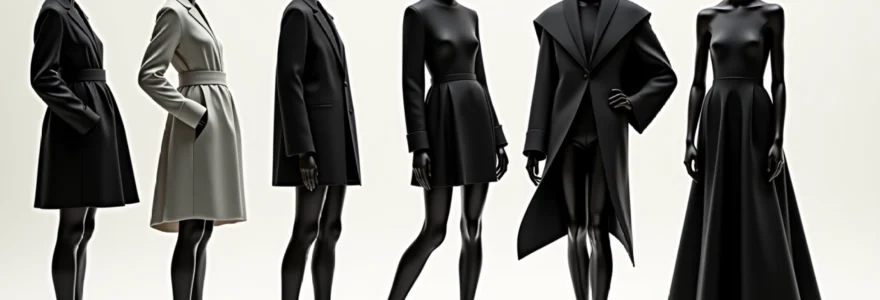
Fashion’s most revolutionary moments have emerged from designers who dared to challenge conventional silhouettes through bold geometric forms. From the structured sophistication of architectural tailoring to the avant-garde expressions of deconstructed garments, bold shapes serve as the visual language that communicates power, innovation, and artistic vision. These striking forms transcend mere aesthetic choices, becoming powerful tools for self-expression and cultural commentary that reshape our understanding of how clothing can interact with the human body.
Contemporary fashion increasingly embraces dramatic proportions and unexpected angles, transforming garments into wearable sculptures that command attention and challenge traditional notions of beauty. The strategic use of geometric elements in fashion design creates visual impact whilst addressing practical considerations of movement, comfort, and functionality. This intersection of art and utility demonstrates how bold shapes can simultaneously serve aesthetic and functional purposes in modern wardrobes.
Geometric silhouettes and architectural forms in contemporary fashion
Modern fashion designers increasingly draw inspiration from architectural principles, creating garments that mirror the structural integrity and visual drama of buildings. This approach transforms clothing into three-dimensional sculptures that emphasise form over traditional notions of fit. Architectural fashion utilises clean lines, sharp angles, and precise construction techniques to create silhouettes that appear both futuristic and timelessly elegant.
The influence of geometric shapes extends beyond mere visual appeal, fundamentally altering how garments interact with the wearer’s body. Triangular panels can create dynamic movement, whilst circular elements soften harsh lines and add fluidity to otherwise rigid structures. These geometric interventions allow designers to manipulate perception, creating illusions of height, width, or volume that enhance the wearer’s natural proportions.
Structured shoulder construction techniques in power dressing
Shoulder construction remains one of the most powerful tools for creating bold silhouettes in contemporary fashion. The strategic use of padding, boning, and architectural seaming transforms the shoulder line into a statement of authority and confidence. Power dressing relies heavily on these techniques to create commanding presences that convey professional competence and personal strength.
Modern shoulder construction techniques utilise innovative materials such as memory foam and flexible plastics to achieve dramatic shapes whilst maintaining comfort. These technologies allow designers to create shoulders that appear impossibly broad or sharply angled without compromising the wearer’s mobility. The psychological impact of structured shoulders cannot be understated, as they create an immediate impression of confidence and capability.
Angular hemlines and asymmetrical cutting methods
Asymmetrical cutting represents a radical departure from traditional garment construction, introducing visual tension and dynamic movement through unexpected angles. These techniques challenge the eye’s expectation of balance, creating garments that appear to be in constant motion even when stationary. Angular hemlines serve as powerful design elements that can elongate the leg, create dramatic silhouettes, or add visual interest to otherwise simple garments.
The technical execution of asymmetrical cuts requires precise pattern-making skills and careful consideration of fabric behaviour. Designers must account for how different materials will drape and move when cut on the bias or at unusual angles. This technical complexity often results in garments that appear effortless whilst requiring significant expertise to construct properly.
Minimalist block shapes in scandinavian design aesthetics
Scandinavian fashion embraces geometric simplicity through clean-lined block shapes that prioritise functionality without sacrificing visual impact. This approach demonstrates how minimalist design can create bold statements through restraint rather than excess. The resulting garments often feature oversized proportions, rectangular silhouettes, and strategic use of negative space to create striking visual effects.
The success of Scandinavian geometric design lies in its understanding of proportion and its relationship to the human form. These garments often feature deliberate oversizing that creates interesting volumes whilst maintaining wearability. The colour palette typically remains neutral, allowing the focus to remain on the architectural qualities of the silhouette rather than decorative elements.
Oversized geometric proportions in streetwear culture
Streetwear culture has embraced oversized geometric proportions as a form of rebellion against traditional tailoring conventions. This movement transforms everyday garments into bold statements through exaggerated sizing and unexpected shape combinations. Streetwear geometry often incorporates influences from sportswear, workwear, and avant-garde fashion to create hybrid silhouettes that reflect contemporary urban lifestyles.
The commercial success of oversized geometric streetwear demonstrates the broader appeal of bold shapes beyond high fashion circles. Brands have discovered that consumers increasingly value self-expression through clothing that makes visual statements. This trend has led to mainstream adoption of previously avant-garde silhouettes, democratising access to experimental fashion design.
Historical evolution of bold shapes from balenciaga to rick owens
The evolution of bold shapes in fashion represents a continuous dialogue between innovation and tradition, with each generation of designers building upon the experimental foundations laid by their predecessors. This progression reveals how revolutionary concepts eventually become integrated into mainstream fashion vocabulary, influencing everything from haute couture to ready-to-wear collections. Understanding this historical context provides insight into how contemporary designers continue to push boundaries whilst respecting the craftsmanship traditions that enable their innovations.
The transition from traditional silhouettes to experimental forms reflects broader cultural shifts towards individual expression and artistic freedom. Post-war optimism, space-age technology, and changing social roles all contributed to fashion’s willingness to embrace radical new shapes. These influences created an environment where designers felt empowered to challenge conventional wisdom about how clothing should look and function.
Cristóbal balenciaga’s revolutionary cocoon coats and barrel lines
Balenciaga’s architectural background profoundly influenced his approach to garment construction, leading to innovations that prioritised structure over traditional feminine curves. His cocoon coats introduced volumes that completely reimagined outerwear proportions, creating protective shells that enveloped the wearer in luxurious fabric cocoons. These designs demonstrated how bold shapes could provide both visual drama and practical protection from the elements.
The barrel line represented another revolutionary moment in fashion history, challenging the prevailing hourglass silhouette with cylindrical forms that emphasised vertical rather than horizontal proportions. This approach required completely new construction techniques and pattern-making methods that influenced generations of designers. The lasting impact of Balenciaga’s innovations continues to influence contemporary fashion’s approach to structural design.
Pierre cardin’s space age geometry and mod movement influence
Cardin’s futuristic vision transformed 1960s fashion through the introduction of space-age aesthetics that embraced synthetic materials and geometric precision. His designs reflected contemporary fascination with technological advancement and space exploration, translating these cultural obsessions into wearable garments. Space age geometry featured circular cutouts, triangular panels, and metallic fabrics that created an otherworldly aesthetic previously unseen in fashion.
The commercial success of Cardin’s geometric designs demonstrated mainstream appetite for experimental fashion during periods of cultural upheaval. His use of unconventional materials such as vinyl and metallic fabrics paved the way for future innovations in textile technology. The mod movement’s embrace of these designs showed how bold shapes could become symbols of cultural rebellion and youth empowerment.
Rei kawakubo’s deconstructed forms at comme des garçons
Kawakubo’s approach to deconstruction fundamentally challenged Western fashion’s relationship with the human body through garments that appeared to question their own purpose. Her deconstructed forms often featured exposed seams, unusual proportions, and deliberate imperfections that celebrated the construction process rather than hiding it. This philosophy transformed fashion into conceptual art that required active interpretation from viewers.
The intellectual rigor of Kawakubo’s approach influenced academic fashion discourse and elevated clothing design to the level of fine art. Her willingness to create commercially challenging pieces whilst maintaining a successful business demonstrated that experimental fashion could find dedicated audiences. The ongoing influence of her deconstructionist approach continues to inspire designers who view fashion as a medium for philosophical expression.
Rick owens’ draped monuments and gothic proportions
Owens’ distinctive aesthetic combines classical drapery techniques with contemporary gothic sensibilities to create garments that appear both ancient and futuristic. His draped monuments utilise generous fabric volumes and strategic cutting to create silhouettes that enhance the wearer’s natural movements. This approach demonstrates how bold shapes can amplify human gesture and create dramatic visual narratives.
The success of Owens’ gothic proportions in contemporary fashion markets proves that consumers increasingly value clothing that makes strong aesthetic statements. His influence extends beyond fashion into architecture and furniture design, demonstrating how bold shape principles can translate across creative disciplines. The cult following surrounding his work illustrates fashion’s capacity to create devoted communities around distinctive aesthetic visions.
Technical Pattern-Making for exaggerated silhouettes
Creating exaggerated silhouettes requires sophisticated pattern-making techniques that go far beyond traditional flat pattern construction methods. Modern designers must understand three-dimensional form manipulation, advanced draping techniques, and digital pattern-making technologies to achieve the dramatic shapes that characterise contemporary experimental fashion. The process begins with thorough analysis of how fabric behaves under different construction stresses, requiring extensive knowledge of textile properties and their interaction with various support structures.
Digital pattern-making software has revolutionised the technical possibilities for creating complex silhouettes, allowing designers to visualise three-dimensional forms before cutting expensive fabrics. These tools enable precise calculation of pattern pieces that would be difficult or impossible to draft manually. However, the software cannot replace the intuitive understanding of fabric behaviour that comes from hands-on experience with draping and construction techniques.
The integration of mathematical principles into pattern-making has opened new possibilities for creating geometrically precise silhouettes. Designers increasingly utilise parametric design methods borrowed from architecture to create patterns that can be systematically modified whilst maintaining structural integrity. This approach allows for more precise control over proportions and enables the creation of garments that achieve specific visual effects through calculated construction methods.
The most successful exaggerated silhouettes balance technical innovation with wearability considerations, ensuring that dramatic visual impact doesn’t compromise the garment’s practical functionality.
Quality control becomes particularly crucial when working with exaggerated silhouettes, as construction errors can dramatically affect the final garment’s appearance and fit. Pattern-makers must develop rigorous testing protocols that account for fabric stretch, seam stress, and structural stability under normal wear conditions. The investment in proper sampling and fitting processes often determines the difference between successful experimental designs and commercial failures.
Cultural impact of bold shapes on gender expression and identity
Bold shapes in fashion serve as powerful tools for challenging and redefining gender expression, offering alternative silhouettes that transcend traditional masculine and feminine coding. The democratisation of experimental fashion through social media platforms has accelerated the adoption of gender-neutral geometric forms that prioritise personal expression over conventional beauty standards. Gender-fluid fashion increasingly utilises architectural shapes that work equally well across different body types and gender identities.
The psychological impact of wearing bold shapes extends beyond aesthetic considerations to influence confidence levels and social interactions. Research indicates that individuals wearing geometrically striking garments report increased feelings of empowerment and creative self-expression. This phenomenon suggests that bold shapes function as external manifestations of internal identity, allowing wearers to communicate complex personal narratives through visual means.
Contemporary youth culture particularly embraces bold shapes as symbols of generational independence and rejection of established fashion norms. The rise of influencer culture has created new pathways for experimental fashion to reach mainstream audiences, bypassing traditional fashion media gatekeepers. This democratisation has led to increased diversity in shape experimentation, with individuals combining high fashion concepts with accessible materials to create unique personal aesthetics.
The commercial fashion industry has responded to this cultural shift by incorporating more experimental silhouettes into mainstream collections. Major brands now regularly feature oversized proportions, asymmetrical cuts, and architectural details that would have been considered avant-garde just decades ago. This mainstream adoption demonstrates how cultural movements can drive commercial innovation and expand consumer acceptance of previously challenging aesthetic concepts.
Material innovation supporting structural fashion design
The development of advanced materials has fundamentally transformed the possibilities for creating and maintaining bold shapes in fashion design. Modern synthetic fibres, smart textiles, and composite materials enable designers to achieve structural effects that would have been impossible with traditional natural fibres. These innovations allow for the creation of garments that maintain their intended silhouettes throughout wear whilst providing comfort and durability previously unattainable in experimental fashion.
Collaboration between fashion designers and materials scientists has accelerated the development of purpose-built fabrics designed specifically for architectural fashion applications. These partnerships have produced textiles with predetermined memory properties, controlled stretch characteristics, and integrated support structures that eliminate the need for traditional interfacing or boning. The resulting materials enable more sustainable approaches to structural fashion by reducing waste and improving garment longevity.
3D printing technology in iris van herpen’s sculptural pieces
Van Herpen’s pioneering use of 3D printing technology has demonstrated how digital fabrication can create impossible geometries that transcend traditional construction limitations. Her sculptural pieces utilise flexible printing materials that maintain structural integrity whilst allowing for natural body movement. This approach represents a fundamental shift from subtractive construction methods towards additive manufacturing that enables unprecedented design freedom.
The integration of 3D printing with traditional couture techniques creates hybrid garments that combine digital precision with handcraft artistry. This methodology allows for the creation of intricate lattice structures, organic curves, and complex interconnected elements that would be prohibitively expensive or impossible to achieve through conventional construction methods. The scalability of 3D printing technology suggests promising applications for future ready-to-wear collections featuring bold geometric elements.
Memory foam integration for shape retention
Memory foam technology has enabled designers to create garments that respond dynamically to the wearer’s movements whilst returning to predetermined shapes when at rest. This innovation addresses one of the primary challenges in structural fashion: maintaining dramatic silhouettes throughout extended wear periods. Shape retention technology allows for the creation of sculptural garments that remain visually impactful regardless of the wearer’s activities.
The application of memory foam in fashion extends beyond simple volume creation to include responsive padding systems that adjust to different body positions and environmental conditions. Advanced formulations can be programmed to respond to temperature changes, creating garments that transform their silhouettes based on external conditions. This responsive behaviour adds an interactive element to bold shape design that enhances the wearer’s connection to their clothing.
Engineered textiles and performance fabrics in geometric construction
Performance fabric technology originally developed for athletic wear has found innovative applications in architectural fashion design, providing the structural support needed for maintaining geometric silhouettes during active wear. These engineered textiles combine multiple fibre types to achieve specific performance characteristics such as directional stretch, moisture management, and shape memory. The integration of performance properties with aesthetic considerations has created new possibilities for bold shapes that maintain their impact in real-world wearing conditions.
Advanced weaving techniques enable the creation of fabrics with varying properties across their surface, allowing designers to incorporate structural elements directly into the textile rather than relying on separate support systems. This integrated approach reduces construction complexity whilst improving garment performance and comfort. The resulting textiles can provide targeted support where needed whilst maintaining flexibility in areas requiring movement accommodation.
Sustainable materials in stella McCartney’s architectural approach
McCartney’s commitment to sustainable fashion has driven innovation in eco-friendly materials suitable for structural design applications. Her architectural approach demonstrates that environmental responsibility doesn’t require compromising on bold aesthetic vision. The development of bio-based synthetic alternatives to traditional structural materials has opened new possibilities for creating dramatic silhouettes with reduced environmental impact.
The integration of recycled materials into structural fashion presents unique challenges that require innovative solutions to maintain design integrity whilst supporting sustainability goals. McCartney’s team has developed proprietary processing methods that transform waste materials into high-performance fabrics suitable for architectural fashion applications. This approach demonstrates how environmental consciousness can drive technical innovation rather than limiting creative possibilities.
Commercial applications and Ready-to-Wear adaptations of bold shapes
The translation of avant-garde geometric forms into commercially viable ready-to-wear collections requires sophisticated understanding of market dynamics, production constraints, and consumer behaviour. Successful commercial applications of bold shapes typically involve strategic simplification of experimental concepts whilst retaining their essential visual impact. This process demands careful balance between maintaining design integrity and achieving price points that enable broader market accessibility.
Manufacturing considerations play crucial roles in determining which bold shapes can be successfully adapted for mass production. Techniques that require extensive hand work or specialised equipment may need modification to achieve commercial viability. However, advances in automated cutting and digital pattern grading have expanded the possibilities for incorporating geometric complexity into mass-produced garments without prohibitive cost increases.
Consumer education represents a significant factor in the successful commercialisation of bold shapes, as many potential customers may require guidance on styling and wearing experimental silhouettes. Brands investing in comprehensive styling resources and customer support often achieve greater success in expanding their markets for architectur
al fashion beyond traditional luxury markets.
Retail partnerships between experimental designers and mainstream fashion chains have created new channels for introducing bold shapes to broader audiences. These collaborations typically involve simplified versions of signature silhouettes that maintain design integrity whilst meeting mass market production requirements. The success of such partnerships demonstrates growing consumer appetite for distinctive aesthetic experiences that differentiate them from conventional fashion offerings.
The rise of direct-to-consumer e-commerce has enabled smaller brands specialising in bold shapes to reach global markets without traditional retail infrastructure. Digital marketing strategies that emphasise the unique aspects of geometric design have proven particularly effective in building communities around experimental fashion. Social media platforms provide ideal venues for showcasing the dynamic visual impact of bold shapes through video content and interactive styling demonstrations.
Price positioning strategies for bold shape garments require careful consideration of production costs, target demographics, and perceived value propositions. Premium pricing can be justified when garments offer unique construction techniques or exclusive design elements that cannot be easily replicated. However, accessible pricing tiers enable broader market penetration and help establish geometric silhouettes as viable alternatives to conventional fashion rather than purely luxury statements.
Seasonal adaptations of bold shapes present ongoing challenges for commercial fashion brands, as dramatic silhouettes may require different approaches for different weather conditions and social contexts. Summer collections might emphasise lightweight geometric constructions, whilst winter offerings could incorporate bold shapes into functional outerwear designs. This seasonal flexibility requires sophisticated design systems that can maintain brand coherence across varying functional requirements.
The commercial viability of bold shapes ultimately depends on their ability to enhance the wearer’s confidence and self-expression whilst providing practical value through quality construction and versatile styling options. Market research consistently indicates that consumers increasingly prioritise unique aesthetic experiences over purely functional clothing considerations. This shift in consumer values suggests promising long-term prospects for the continued commercial expansion of geometric fashion design principles across all market segments.
Distribution challenges specific to bold shape garments include sizing considerations, storage requirements, and customer service training needs that may not apply to conventional clothing lines. Retailers must invest in staff education to help customers understand styling possibilities and address concerns about wearability. The additional investment in customer support often proves worthwhile through improved customer satisfaction and reduced return rates for experimental designs.
The future commercial landscape for bold shapes appears increasingly positive as younger consumers demonstrate greater willingness to experiment with unconventional silhouettes. Digital native generations particularly value fashion choices that enable social media expression and personal brand building. This generational shift suggests that bold geometric forms may transition from niche experimental category to mainstream fashion staples within the coming decades, fundamentally transforming how the fashion industry approaches silhouette design and commercial viability.