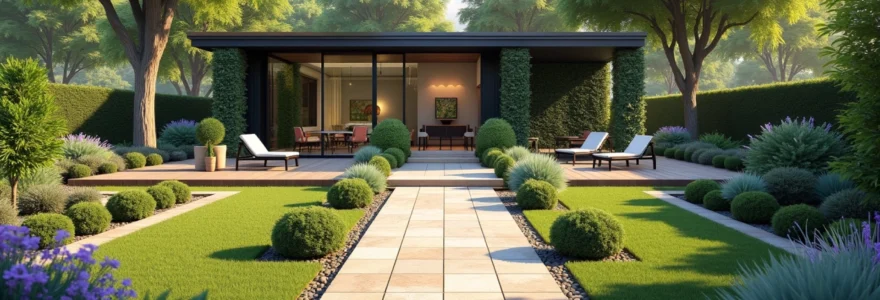
Creating a garden oasis requires more than simply planting flowers and hoping for the best. The transformation from ordinary outdoor space to breathtaking sanctuary involves thoughtful planning, strategic plant selection, and understanding how various design elements work together to create visual harmony. Whether you’re working with a compact urban plot or an expansive countryside garden, the principles of good design remain consistent. The key lies in recognising that every element, from the smallest groundcover plant to the grandest architectural feature, plays a crucial role in the overall composition. By implementing proven horticultural techniques and landscape design principles, you can create an outdoor environment that provides year-round beauty, requires minimal maintenance, and serves as a peaceful retreat from the demands of modern life.
Strategic plant selection and horticultural zoning for Year-Round visual impact
Implementing succession planting techniques with perennial foundation species
The foundation of any spectacular garden lies in establishing a robust framework of perennial plants that provide consistent structure throughout the seasons. Succession planting involves creating layers of interest that unfold sequentially, ensuring your garden maintains visual appeal from early spring through late autumn. This technique requires selecting plants with complementary blooming periods, varying heights, and diverse textural qualities that work harmoniously together.
Foundation plantings should include reliable performers such as ornamental grasses, structural shrubs, and long-blooming perennials. Consider incorporating species like Miscanthus sinensis varieties for architectural interest, paired with reliable bloomers such as Echinacea and Rudbeckia . These combinations provide extended seasonal interest whilst requiring minimal intervention once established. The key is selecting plants that offer multiple seasons of appeal through foliage, flowers, seed heads, or bark characteristics.
Creating microclimatic conditions through canopy layering and understory design
Professional landscape designers understand that creating distinct microclimates within a garden allows for greater plant diversity and more interesting design compositions. Canopy layering involves establishing trees as the uppermost layer, followed by understory shrubs, perennials, and groundcovers. This layered approach mimics natural forest ecosystems whilst creating diverse growing conditions that can accommodate plants with varying light and moisture requirements.
The strategic placement of deciduous trees provides summer shade whilst allowing winter sunlight to reach understory plantings. This natural climate control system enables you to grow a wider range of plants than would otherwise be possible in a single microclimate. Consider incorporating native species that naturally occur in layered forest environments, as these have evolved to thrive in such conditions and require less maintenance once established.
Drought-tolerant mediterranean species integration for Low-Maintenance beauty
Mediterranean-style plantings offer exceptional visual appeal whilst requiring minimal water inputs once established. These plants have evolved in challenging conditions and typically feature attractive silvery foliage, aromatic qualities, and extended blooming periods. Species such as lavender, rosemary, sage, and ornamental alliums create stunning displays whilst thriving in well-drained soils with minimal supplemental irrigation.
The secret to successful Mediterranean planting lies in understanding soil drainage requirements and providing appropriate growing conditions. Many of these plants prefer slightly alkaline, gravelly soils that drain quickly after rainfall. Incorporating gravel mulches rather than organic mulches helps replicate their natural growing conditions whilst providing an attractive, contemporary appearance that complements modern garden design aesthetics.
Seasonal colour progression using ornamental grasses and flowering shrubs
Ornamental grasses provide exceptional value in garden design, offering four-season interest through their growth cycle. Spring emergence, summer fullness, autumn colour changes, and winter structural beauty create an ever-changing backdrop for other plantings. Fountain grass , feather reed grass , and switchgrass varieties provide different textures and heights whilst remaining relatively low-maintenance once established.
Pairing ornamental grasses with carefully selected flowering shrubs creates dynamic seasonal progressions. Early spring bloomers like forsythia can be followed by summer-flowering spiraea, then autumn-fruiting viburnum species. This succession ensures continuous visual interest whilst requiring only annual pruning and occasional feeding to maintain optimal performance.
Hardscape integration and landscape architecture principles
Natural stone pathway design using local materials and permeable solutions
Garden pathways serve both functional and aesthetic purposes, guiding movement through the landscape whilst creating visual structure. Natural stone pathways using locally sourced materials provide authentic character whilst supporting sustainable design practices. Flagstone , slate , and limestone offer different aesthetic qualities and practical considerations that should influence your selection based on local climate conditions and design objectives.
Permeable pathway construction addresses both drainage concerns and environmental sustainability. Gaps between stones can be filled with permeable materials such as decomposed granite, gravel, or low-growing groundcovers like thyme or moss. This approach prevents surface water runoff whilst creating opportunities for additional planting interest within the pathway design itself.
Water feature installation: from rill systems to naturalistic pond construction
Water features transform gardens by introducing movement, sound, and reflective qualities that enhance the overall sensory experience. Rill systems, which consist of narrow channels of flowing water, provide contemporary elegance whilst requiring minimal space. These linear water features work particularly well in formal garden designs and can be constructed using preformed channels or custom stonework depending on your aesthetic preferences and budget constraints.
Naturalistic pond construction offers opportunities to create wildlife habitat whilst providing stunning focal points. Proper pond design requires understanding water depth requirements, circulation systems, and plant selection for both submerged and marginal zones. Native aquatic plants not only provide natural filtration but also attract beneficial wildlife including birds, butterflies, and beneficial insects that contribute to garden ecosystem health.
The sound of flowing water creates an immediate sense of tranquillity that can mask urban noise whilst providing a natural focal point that draws attention and creates gathering spaces within the garden.
Vertical structure implementation through pergolas and living wall systems
Vertical elements add architectural interest and create opportunities for climbing plants that maximise growing space within limited garden areas. Pergolas provide shade, define outdoor living spaces, and support vigorous climbing plants such as wisteria, climbing roses, or grape vines. Material selection for pergola construction should consider both aesthetic compatibility with existing architecture and long-term durability under local weather conditions.
Living wall systems represent innovative approaches to vertical gardening that can transform blank walls into green architectural features. These systems require careful consideration of irrigation, drainage, and plant selection to ensure long-term success. Suitable plants include ferns, sedums, and other species adapted to vertical growing conditions with limited root space.
Focal point creation using sculptural elements and specimen plant placement
Strategic focal point placement guides visual attention through the garden whilst creating memorable destinations within the landscape. Sculptural elements can include artwork, distinctive planters, or architectural features that complement the overall design aesthetic. The key to successful focal point placement lies in understanding sight lines and creating visual balance without overwhelming the natural beauty of the plantings.
Specimen plant placement involves selecting and positioning outstanding individual plants that serve as living focal points. These might include weeping trees, large ornamental grasses, or shrubs with exceptional seasonal characteristics. Specimen plants require adequate space to develop their natural form whilst being positioned to maximise their visual impact during their peak display periods.
Soil conditioning and drainage engineering for optimal plant performance
The foundation of any successful garden lies beneath the surface in properly conditioned soil that provides optimal growing conditions for your selected plants. Professional soil analysis reveals pH levels, nutrient content, organic matter percentages, and drainage characteristics that directly influence plant health and garden performance. Understanding these baseline conditions enables targeted improvements that address specific deficiencies rather than applying generic soil amendments that may not address your garden’s particular needs.
Soil improvement strategies vary significantly depending on existing conditions and intended plant selections. Clay soils benefit from organic matter incorporation and drainage improvements, whilst sandy soils require organic matter additions to improve water retention and nutrient availability. The addition of well-aged compost, leaf mould, or composted manure improves soil structure in both clay and sandy conditions whilst providing slow-release nutrients that support sustained plant growth.
Drainage engineering addresses one of the most common causes of plant failure in residential gardens. Poor drainage leads to root rot, fungal diseases, and plant stress that compromises garden health and appearance. French drain installation, raised bed construction, and strategic grading modifications can address drainage problems whilst creating opportunities for enhanced garden design. These improvements often require initial investment but provide long-term benefits through reduced plant replacement costs and improved garden performance.
Organic matter incorporation should be viewed as an ongoing process rather than a one-time improvement. Annual additions of compost, mulch decomposition, and seasonal incorporation of organic amendments gradually build soil health whilst supporting beneficial soil organisms. These microscopic partners assist plant nutrient uptake, disease resistance, and stress tolerance that translates into more resilient garden performance with reduced maintenance requirements.
Lighting design strategies for nocturnal garden ambience
Garden lighting extends usability into evening hours whilst creating dramatic visual effects that transform familiar daytime landscapes into magical nocturnal environments. Professional lighting design considers both functional illumination for safety and navigation alongside accent lighting that highlights garden features and creates ambient atmosphere. The layering of different lighting types creates depth and visual interest that enhances the overall garden experience after dark.
Path lighting provides essential safety illumination whilst guiding movement through the garden landscape. Low-voltage LED systems offer energy efficiency, longevity, and design flexibility that supports various aesthetic preferences. Bollard lights, step lights, and subtle pathway markers can be selected to complement garden style whilst providing adequate illumination for safe navigation. The key lies in providing sufficient light for safety without creating harsh illumination that destroys the intimate atmosphere of evening garden spaces.
Accent lighting highlights specific garden features such as specimen trees, water features, architectural elements, or seasonal displays. Uplighting creates dramatic silhouettes against structures or canopies, whilst downlighting provides gentle illumination that mimics natural moonlight effects. Colour temperature selection influences mood, with warmer tones creating intimate atmospheres and cooler tones providing crisp, contemporary effects. Modern LED technology enables programmable lighting systems that can adapt to different occasions and seasonal requirements.
Strategic garden lighting transforms outdoor spaces into evening entertainment venues whilst highlighting the garden’s most attractive features and creating intimate atmospheres that encourage extended outdoor enjoyment throughout the year.
Solar lighting options provide sustainable illumination solutions that eliminate electrical installation requirements whilst offering placement flexibility. Modern solar technology provides reliable performance even in partially shaded locations, though placement considerations should account for optimal solar exposure during charging periods. Battery backup systems ensure consistent performance during extended cloudy periods whilst maintaining the environmental benefits of renewable energy systems.
Maintenance protocols and sustainable garden management systems
Sustainable garden maintenance protocols focus on working with natural systems rather than fighting against them, resulting in healthier gardens that require less intensive intervention over time. Understanding plant growth cycles, natural pest and disease management, and seasonal maintenance timing creates efficient management systems that preserve garden health whilst minimising resource inputs. This approach recognises that healthy soil and appropriate plant selection form the foundation of low-maintenance garden success.
Integrated pest management strategies emphasise prevention through plant health maintenance, beneficial insect habitat creation, and natural predator support rather than reactive chemical treatments. Companion planting techniques utilise plants’ natural pest-repelling properties whilst encouraging beneficial insect populations that provide natural pest control services. Marigolds , nasturtiums , and various herb plantings can reduce pest pressure whilst adding visual appeal and functional harvest opportunities to ornamental garden designs.
Seasonal maintenance schedules optimise garden health whilst distributing labour requirements throughout the year. Spring activities focus on soil preparation, pruning, and new plantings, whilst summer maintenance emphasises irrigation management, deadheading, and pest monitoring. Autumn tasks include plant division, seed collection, and preparation for winter conditions. Winter periods provide opportunities for garden planning, tool maintenance, and structural improvements that support the following growing season’s success.
Water conservation strategies reduce resource consumption whilst maintaining garden health through efficient irrigation systems, mulching practices, and drought-tolerant plant selection. Drip irrigation systems deliver water directly to root zones whilst minimising evaporation losses and weed germination. Mulching with organic materials conserves soil moisture, suppresses weeds, and gradually improves soil health as materials decompose. Rain water collection systems provide sustainable irrigation sources whilst reducing reliance on treated municipal water supplies for garden maintenance requirements.