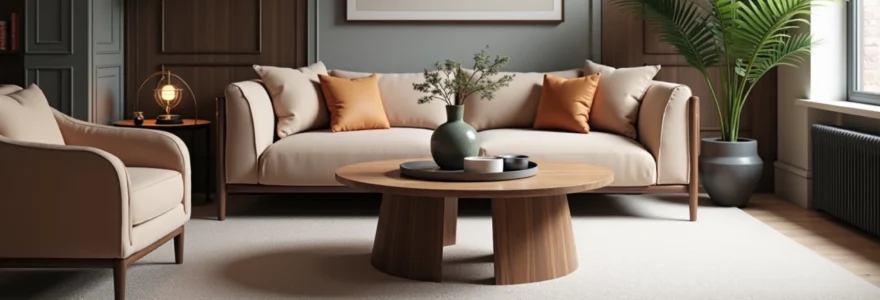
The interior design landscape has witnessed a remarkable transformation in recent years, with homeowners increasingly seeking furniture pieces that transcend mere functionality to become true design statements. Among these evolving trends, statement side tables have emerged as pivotal elements that can dramatically alter the aesthetic and practical dynamics of any living space. These carefully crafted pieces serve as the perfect intersection between form and function, offering both visual impact and everyday utility that modern homes demand.
The rise of statement side tables reflects a broader shift towards intentional living and curated interior spaces. Rather than settling for generic, mass-produced furniture, discerning homeowners are investing in distinctive pieces that reflect their personal style whilst serving as conversation starters and focal points. This evolution has positioned statement side tables as essential accessories that can transform ordinary rooms into extraordinary spaces with minimal effort and maximum impact.
Statement side table design evolution and contemporary interior architecture integration
The contemporary statement side table has evolved far beyond its humble origins as a simple surface for beverages and books. Today’s designs represent sophisticated expressions of artistic vision combined with practical engineering, creating pieces that function as sculptural elements within modern interior architecture. This evolution reflects changing lifestyle patterns, where homes serve multiple functions and furniture must adapt accordingly.
Scandinavian minimalism influence on modern statement piece geometry
Scandinavian design principles have profoundly influenced contemporary statement side table aesthetics, emphasising clean lines, functional beauty, and geometric precision. The Nordic approach to furniture design prioritises simplicity without sacrificing visual interest, resulting in side tables that feature bold geometric forms whilst maintaining understated elegance. These pieces often incorporate negative space as a design element, creating visual lightness that prevents smaller rooms from feeling cluttered.
The influence of Scandinavian minimalism extends beyond mere aesthetics to encompass sustainable manufacturing practices and material selection. Many contemporary statement side tables draw inspiration from traditional Nordic craftsmanship techniques, combining time-tested joinery methods with modern design sensibilities. This approach produces furniture that not only looks striking but also demonstrates exceptional durability and longevity.
Mid-century modern revival through walnut and teak veneer applications
The resurgence of mid-century modern design has breathed new life into statement side table aesthetics, particularly through the sophisticated use of walnut and teak veneers. These premium wood species offer rich grain patterns and warm tones that create instant visual impact whilst maintaining the clean architectural lines characteristic of the era. The careful selection and application of these veneers requires considerable skill, making each piece a testament to craftsmanship excellence.
Contemporary designers are reinterpreting classic mid-century forms through innovative veneer techniques, including book-matching and slip-matching methods that create stunning visual effects. These approaches allow the natural beauty of the wood to become the primary decorative element, eliminating the need for additional ornamentation whilst creating pieces that command attention through their inherent material beauty.
Industrial aesthetic integration with Powder-Coated steel frame construction
The integration of industrial design elements has introduced a new dimension to statement side table construction, particularly through the use of powder-coated steel frames combined with organic materials. This design approach creates compelling contrasts between hard and soft elements, industrial and natural textures, resulting in pieces that feel both contemporary and timeless. The durability of powder-coated finishes ensures these statement pieces maintain their visual impact over time.
Industrial-inspired statement side tables often feature exposed structural elements that become decorative features in their own right. The interplay between steel frameworks and natural wood or stone tops creates dynamic visual tension that draws the eye and anchors seating arrangements. These pieces work particularly well in open-plan living spaces where they can serve as transitional elements between different functional zones.
Biophilic design principles in Live-Edge wood statement tables
The incorporation of biophilic design principles has led to the emergence of live-edge wood statement side tables that celebrate the natural form and character of timber. These pieces retain the organic edge of the tree, creating unique silhouettes that cannot be replicated through manufactured processes. Each live-edge table tells a story of natural growth and environmental forces, making them truly one-of-a-kind statement pieces.
Live-edge statement side tables serve as powerful connecting elements between indoor and outdoor environments, bringing natural textures and forms into contemporary living spaces. The unpredictable nature of live edges means that no two pieces are identical, offering homeowners the opportunity to own genuinely unique furniture that reflects their appreciation for natural beauty and craftsmanship excellence.
Strategic spatial planning and statement side table placement methodologies
The strategic placement of statement side tables requires careful consideration of spatial relationships, traffic flow, and visual balance within interior environments. Unlike standard furniture pieces that simply fill functional needs, statement side tables must be positioned to maximise their visual impact whilst maintaining practical accessibility. This placement strategy involves understanding how these pieces interact with existing furniture, architectural features, and natural lighting conditions.
Professional interior designers employ sophisticated spatial planning techniques when incorporating statement side tables into residential and commercial spaces. These methodologies consider not only the immediate functional requirements but also the long-term flexibility of the arrangement. The goal is to create configurations that feel both intentional and effortless, allowing the statement piece to shine without overwhelming other design elements.
Golden ratio applications in living room furniture arrangement
The application of golden ratio principles in living room furniture arrangement creates naturally pleasing proportional relationships between statement side tables and surrounding elements. This mathematical approach to spatial planning ensures that statement pieces feel appropriately scaled within their environment, neither dominating the space nor appearing insignificant. The golden ratio provides a framework for achieving visual harmony that feels instinctively comfortable to occupants and visitors.
When positioning statement side tables according to golden ratio principles, designers consider the proportional relationships between table height and seating, surface area and room dimensions, and distance from walls and other furniture pieces. These calculations create arrangements that feel balanced and purposeful, enhancing the overall aesthetic impact of the statement piece whilst maintaining functional accessibility.
Traffic flow optimisation around oversized accent tables
Larger statement side tables require careful consideration of traffic flow patterns to ensure they enhance rather than impede movement through interior spaces. Oversized accent tables can create dramatic focal points but must be positioned to maintain clear pathways and comfortable circulation around seating areas. This balance between visual impact and practical functionality is crucial for creating liveable spaces that feel both striking and comfortable.
Traffic flow optimisation involves analysing how people naturally move through spaces and positioning statement side tables to complement rather than conflict with these patterns. Strategic placement can actually improve traffic flow by creating clear zones and pathways, using the statement piece as a visual anchor that helps define functional areas within larger rooms.
Focal point creation through asymmetrical positioning techniques
Asymmetrical positioning techniques allow statement side tables to create compelling focal points that draw attention whilst maintaining visual balance throughout the space. This approach breaks away from traditional symmetrical arrangements, creating more dynamic and interesting interior compositions. Asymmetrical placement can make spaces feel larger and more sophisticated whilst showcasing the unique characteristics of statement pieces.
The key to successful asymmetrical positioning lies in understanding visual weight and creating balance through careful consideration of colour, texture, and form. A single statement side table positioned asymmetrically can be balanced by groupings of smaller objects, different furniture pieces, or architectural features, creating compositions that feel intentional and sophisticated.
Multi-functional zoning with statement tables as room dividers
In open-plan living environments, statement side tables can serve as effective room dividers that define functional zones without creating visual barriers. This multi-functional approach maximises the utility of these pieces whilst maintaining the open feel that makes contemporary living spaces so appealing. Strategically positioned statement tables can separate dining and living areas, create intimate conversation zones, or define workspace boundaries.
The use of statement side tables as room dividers requires careful consideration of height, transparency, and visual weight. Pieces that are too solid or tall can create unwanted separation, whilst appropriately scaled tables can suggest boundaries without blocking sight lines or natural light flow. This technique allows for flexible space usage whilst maintaining the dramatic impact of statement furniture pieces.
Material innovation and artisan craftsmanship in statement side table manufacturing
The evolution of statement side tables has been significantly influenced by advances in material science and manufacturing techniques, enabling designers to create increasingly sophisticated and durable pieces. Contemporary manufacturing combines traditional artisan skills with cutting-edge technology, resulting in furniture that showcases both human craftsmanship and precision engineering. This marriage of old and new techniques produces statement pieces that are both visually stunning and exceptionally well-made.
Material innovation has expanded the possibilities for statement side table design, introducing new textures, finishes, and structural capabilities that were previously impossible to achieve. From advanced composite materials that mimic natural stone to innovative wood treatment processes that enhance durability whilst preserving natural beauty, these developments have revolutionised what designers can accomplish within the constraints of functional furniture design.
The integration of sustainable materials and production methods has become increasingly important in statement side table manufacturing, reflecting growing environmental consciousness among consumers and designers alike. Sustainable craftsmanship approaches utilise responsibly sourced materials, low-impact manufacturing processes, and design principles that prioritise longevity over disposability. These considerations ensure that statement pieces remain relevant and beautiful for decades whilst minimising their environmental impact.
The finest statement side tables represent a perfect synthesis of material innovation and traditional craftsmanship, creating pieces that honour both heritage techniques and contemporary design sensibilities.
Advanced finishing techniques have enabled manufacturers to achieve previously impossible surface treatments and textures, from ultra-smooth high-gloss finishes to complex textural patterns that enhance tactile appeal. These innovations allow statement side tables to achieve their visual impact through surface treatment as much as through form, creating pieces that invite both visual appreciation and physical interaction.
The role of artisan craftsmanship remains crucial even as manufacturing technology advances, with skilled craftspeople providing the human touch that distinguishes exceptional statement pieces from mass-produced alternatives. Hand-finishing processes, custom joinery techniques, and attention to minute details create furniture that demonstrates quality and care in every aspect of its construction. This artisan involvement ensures that each piece maintains individual character whilst meeting exacting quality standards.
Statement side table styling techniques for interior design professionals
Professional styling of statement side tables requires a nuanced understanding of scale, proportion, and visual hierarchy to create arrangements that maximise impact whilst maintaining functionality. Interior design professionals employ sophisticated techniques that consider not only the immediate visual effect but also how styling choices will function over time and in different lighting conditions. The goal is to create arrangements that feel effortless whilst showcasing both the statement piece and its accompanying accessories.
Successful styling begins with understanding the inherent character of the statement side table itself, including its materials, proportions, and design language. This understanding informs decisions about what types of accessories will complement rather than compete with the piece, ensuring that the final arrangement enhances rather than obscures the table’s statement-making qualities. Professional stylists develop an intuitive sense for these relationships through experience and careful observation of successful arrangements.
Layering techniques allow interior design professionals to create depth and visual interest whilst maintaining the clean lines that make statement side tables so appealing. These techniques involve combining objects of different heights, textures, and visual weights to create arrangements that feel dynamic without appearing cluttered. The key lies in understanding how different elements interact visually and using these relationships to create compelling compositions.
The most effective statement side table styling appears effortless whilst demonstrating sophisticated understanding of design principles and spatial relationships.
Colour theory plays a crucial role in professional styling approaches, with designers using complementary, analogous, or monochromatic colour schemes to create specific moods and visual effects. The colour relationships between the statement side table, its accessories, and surrounding elements can dramatically influence the overall impact of the arrangement. Professional stylists understand how to use colour strategically to enhance the natural beauty of materials whilst creating cohesive interior compositions.
Seasonal styling adaptations allow statement side tables to remain fresh and relevant throughout the year whilst maintaining their core aesthetic appeal. Professional designers develop styling systems that can be easily modified to reflect changing seasons, holidays, or personal preferences without requiring complete rearrangement. This approach ensures that statement pieces continue to feel current and engaging over time.
The integration of technology and modern lifestyle requirements presents unique styling challenges for statement side tables, as designers must accommodate charging stations, remote controls, and other contemporary necessities without compromising aesthetic integrity. Professional solutions often involve creative concealment techniques or the integration of technology-friendly accessories that blend seamlessly with traditional decorative elements.
Investment value and statement side table market analysis for luxury home furnishings
The luxury home furnishings market has experienced significant growth in the statement side table segment, with consumers increasingly viewing these pieces as long-term investments rather than temporary decorative elements. Market analysis reveals that well-designed statement side tables from reputable manufacturers maintain or increase their value over time, particularly pieces that demonstrate exceptional craftsmanship or innovative design approaches. This investment potential has attracted serious collectors and design enthusiasts who appreciate both the aesthetic and financial benefits of quality furniture.
Current market trends indicate strong demand for statement side tables that combine traditional craftsmanship with contemporary design sensibilities, reflecting consumer preferences for pieces that feel both timeless and current. Limited edition pieces and those created by recognised designers command premium prices and demonstrate strong resale value, making them attractive options for investment-minded purchasers. The secondary market for quality statement side tables remains robust, with well-maintained pieces often selling for significant percentages of their original retail prices.
The factors that influence statement side table investment value include designer reputation, manufacturing quality, material rarity, and design innovation. Pieces that incorporate unusual materials or demonstrate breakthrough design approaches tend to appreciate more rapidly than conventional alternatives. Additionally, provenance and documentation play increasingly important roles in determining value, with pieces that have clear histories and proper documentation commanding higher prices in secondary markets.
Exceptional statement side tables represent one of the few furniture categories where aesthetic appeal and investment potential align consistently, creating opportunities for collectors to enjoy beautiful pieces whilst building valuable portfolios.
Regional market variations affect pricing and availability, with certain design styles commanding premium prices in specific geographic markets. European-made pieces often carry price premiums in North American markets, whilst Asian-influenced designs may be more highly valued in Pacific Rim countries. Understanding these regional preferences can help both buyers and sellers optimise their market strategies.
The emergence of online marketplaces has democratised access to statement side tables from international manufacturers and designers, creating more competitive pricing whilst expanding consumer choice. However, this increased accessibility has also heightened the importance of authentication and quality verification, as buyers must navigate an increasingly complex marketplace to identify genuine investment-quality pieces.
Future market projections suggest continued growth in the statement side table segment, driven by increasing consumer sophistication and growing appreciation for quality craftsmanship. Sustainable and environmentally responsible manufacturing practices are expected to become increasingly important value drivers, with consumers showing willingness to pay premiums for pieces that demonstrate environmental consciousness. The integration of smart technology features may also create new market segments, though traditional craftsmanship values are expected to remain paramount in determining long-term investment value.