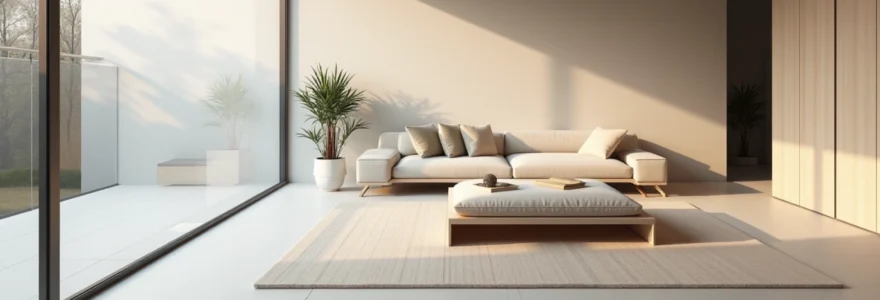
Modern minimalism has evolved from a niche artistic movement into a dominant force shaping contemporary design across industries. This aesthetic philosophy, characterised by clean lines, neutral palettes, and purposeful simplicity, resonates deeply with today’s consumers who increasingly seek clarity in an overwhelming world. The appeal of minimalist design extends far beyond mere visual preferences, tapping into fundamental human psychological needs while addressing practical challenges of modern living.
The contemporary minimalist movement draws from multiple cultural influences, technological advancements, and economic factors that have converged to create an irresistible design paradigm. From Scandinavian hygge to Japanese wabi-sabi, minimalism offers a universal language of sophistication that transcends cultural boundaries. Understanding why this design approach has captured global imagination requires examining the complex interplay between human psychology, technological progress, and evolving lifestyle priorities that define our current era.
Psychological foundations of minimalist design appeal in contemporary society
The psychological appeal of minimalist design stems from deep-seated human cognitive patterns that respond positively to organised, uncluttered environments. Research in environmental psychology demonstrates that simplified spaces reduce cortisol levels and promote mental clarity, explaining why minimalist interiors feel inherently calming. This biological response to visual simplicity has evolutionary roots, as our brains are wired to process clear, organised information more efficiently than complex, chaotic stimuli.
Contemporary society’s accelerated pace has intensified our psychological need for visual respite. The constant bombardment of information, advertisements, and digital stimuli creates what psychologists term ‘cognitive overload,’ making minimalist environments feel like sanctuaries. This phenomenon has transformed minimalist design from an aesthetic choice into a wellness strategy, positioning simplified spaces as essential tools for mental health maintenance in our hyperconnected world.
Cognitive load theory and visual processing in minimalist aesthetics
Cognitive load theory explains why minimalist design feels effortless to process and inherently appealing to human perception. When visual environments contain fewer elements, the brain allocates less processing power to interpreting surroundings, freeing cognitive resources for creative thinking and relaxation. This scientific foundation underlies minimalism’s effectiveness in creating spaces that feel both sophisticated and restful , addressing fundamental human needs for mental clarity and focus.
The strategic use of negative space in minimalist design leverages visual processing principles that enhance spatial perception. Large expanses of unadorned surfaces allow the eye to rest while drawing attention to carefully selected focal points. This intentional curation of visual elements creates hierarchy and meaning, transforming simple spaces into powerful emotional experiences that feel both luxurious and accessible.
Digital overwhelm and the sanctuary effect of simplified spaces
Modern professionals spend over eight hours daily engaged with digital screens, creating unprecedented levels of visual stimulation that demand psychological counterbalancing. Minimalist environments provide essential digital detox spaces where simplified aesthetics offer relief from constant information processing. This sanctuary effect has become particularly valuable as remote working blurs boundaries between professional and personal environments, making home spaces crucial for mental health maintenance.
The rise of mindful living practices has amplified appreciation for minimalist design’s meditative qualities. Simplified spaces naturally encourage present-moment awareness, supporting meditation practices and contemplative activities that require mental clarity. This alignment between minimalist aesthetics and wellness trends has positioned simplified design as an essential component of modern self-care routines, extending its appeal beyond visual preferences into lifestyle philosophy.
Mindfulness movement integration with Bauhaus-Inspired design principles
The intersection of mindfulness practices and minimalist design creates powerful synergies that enhance both aesthetic and psychological satisfaction. Mindful design approaches emphasise intentional choices, quality materials, and purposeful functionality, principles that align seamlessly with minimalist aesthetics. This convergence has elevated minimalism from simple reduction to thoughtful curation, where every element serves both practical and emotional purposes.
Contemporary minimalist spaces often incorporate meditation areas, reading nooks, and contemplative zones that support mindful living practices. These dedicated spaces for reflection and introspection demonstrate minimalism’s evolution beyond aesthetic minimalism into lifestyle design, where simplified environments actively promote mental well-being. The integration of mindfulness principles has transformed minimalist design from passive aesthetic choice into active wellness strategy.
Marie kondo methodology impact on interior design consumer behaviour
The global popularity of Marie Kondo’s decluttering methodology has fundamentally shifted consumer attitudes towards minimalist living, creating widespread appreciation for simplified domestic environments. Her “spark joy” philosophy has introduced millions to the emotional benefits of curated possessions, demonstrating how intentional reduction can enhance rather than diminish quality of life. This cultural shift has created unprecedented demand for minimalist design services and simplified lifestyle solutions.
Kondo’s approach emphasises the relationship between possessions and emotional well-being, validating minimalist design’s psychological foundations through popular culture. Her methodology has made minimalism accessible to mainstream audiences, removing elitist associations and presenting simplified living as achievable lifestyle improvement. This democratisation of minimalist principles has expanded market demand for simplified design solutions across all economic segments.
Technological integration driving minimalist design adoption
Modern technology has become both catalyst and enabler for minimalist design adoption, creating opportunities to reduce visual clutter while enhancing functional capability. Smart home systems, wireless connectivity, and integrated appliances allow designers to eliminate traditional technological intrusions, supporting the clean aesthetics that define contemporary minimalism. This technological evolution has resolved historical tensions between functionality and simplicity, making minimalist design more practical than ever before.
The miniaturisation of electronics and development of concealed installation techniques have revolutionised minimalist space design. Modern homes can incorporate sophisticated technological systems without compromising visual simplicity, as heating, lighting, security, and entertainment systems integrate seamlessly into architectural elements. This technological sophistication has elevated minimalist design from basic reduction to refined luxury, where simplicity requires advanced engineering and careful planning.
Smart home technology concealment through scandinavian design approaches
Scandinavian design traditions have pioneered sophisticated approaches to technological integration that maintain visual simplicity while maximising functional capability. Hidden infrastructure design conceals complex systems behind clean surfaces, creating seamless user experiences that support minimalist aesthetics. This approach has influenced global design standards, establishing technological concealment as essential minimalist design skill.
Contemporary smart home systems enable unprecedented customisation and control while remaining virtually invisible within minimalist environments. Voice activation, smartphone controls, and automated systems eliminate traditional switches, remotes, and control panels that historically cluttered simplified spaces. This invisible functionality has resolved fundamental contradictions between technological sophistication and minimalist aesthetics, enabling truly integrated living experiences.
Apple’s influence on architectural spatial planning and material selection
Apple’s design philosophy has profoundly influenced contemporary architectural approaches to spatial planning and material selection, establishing minimalist principles as synonymous with premium quality and innovative functionality. The company’s emphasis on seamless user experiences and material excellence has elevated expectations for minimalist environments, where simplicity must demonstrate sophistication rather than basic reduction. This influence has transformed minimalist design from cost-cutting strategy into luxury positioning.
The integration of Apple’s design thinking into architectural practice has emphasised the importance of tactile experiences and material quality in minimalist environments. Premium materials, precise craftsmanship, and attention to detail have become essential elements of contemporary minimalist design, reflecting technology industry standards for quality and innovation. This elevation of minimalist standards has created new market opportunities for skilled designers and premium material suppliers.
Wireless infrastructure enabling Clutter-Free environmental design
Wireless connectivity has eliminated numerous physical infrastructure requirements that previously compromised minimalist aesthetics, enabling truly clean environmental design. The removal of cables, wires, and connection points allows for uninterrupted surface treatments and spatial flow, supporting the visual continuity essential to minimalist success. This technological foundation has made minimalist design more achievable and maintainable for contemporary users.
Advanced wireless systems support complex functionality while remaining completely invisible, allowing minimalist spaces to incorporate sophisticated lighting, audio, and climate control without visible hardware. This invisible infrastructure approach has become standard practice in luxury minimalist projects, where technological sophistication enhances rather than compromises aesthetic purity. The evolution of wireless technology continues to expand possibilities for seamless minimalist integration.
Sustainable technology integration in tadao Ando-Inspired concrete minimalism
Sustainable technology integration has become essential to contemporary minimalist design, particularly in concrete-focused approaches inspired by master architect Tadao Ando. Modern sustainable systems, including geothermal heating, solar integration, and rainwater collection, can be seamlessly incorporated into minimalist structures without compromising aesthetic integrity. This environmental responsibility has become crucial to minimalist design credibility, addressing concerns about material intensity and energy consumption.
The development of high-performance sustainable materials has enhanced the environmental credentials of minimalist design while maintaining aesthetic standards. Low-carbon concrete, recycled steel, and sustainably sourced timber enable environmentally responsible construction that supports minimalist visual goals. This sustainability integration has positioned minimalist design as forward-thinking and responsible, attracting environmentally conscious consumers who value both aesthetics and ecological impact.
Economic factors accelerating minimalist movement popularity
Economic pressures have significantly contributed to minimalist design’s mainstream adoption, as simplified approaches often reduce both initial costs and ongoing maintenance requirements. The 2008 financial crisis sparked widespread reconsideration of consumption patterns, leading many consumers to embrace simplified living as both financial necessity and conscious choice. This economic catalyst transformed minimalism from luxury aesthetic into practical lifestyle strategy, expanding its appeal across diverse demographic segments.
Rising real estate costs in urban centres have made efficient space utilisation essential, positioning minimalist design as practical solution for maximising small spaces. Simplified furnishing approaches reduce storage requirements while creating visual spaciousness, allowing residents to live comfortably in smaller areas. This economic efficiency has made minimalist design particularly appealing to young professionals, urban dwellers, and anyone facing housing affordability challenges in expensive markets.
The subscription economy and sharing platforms have reduced ownership requirements, supporting minimalist lifestyle adoption by providing access to goods and services without permanent possession. Car sharing, tool libraries, and clothing rental services enable minimalist living while maintaining access to necessary resources. This economic model shift has removed practical barriers to minimalist adoption, demonstrating that simplified living can enhance rather than restrict lifestyle options.
The intersection of economic necessity and aesthetic preference has created a powerful foundation for minimalist design’s continued growth, positioning simplicity as both practical wisdom and sophisticated choice.
Cultural shift towards experiential consumption over material accumulation
Contemporary culture has witnessed a fundamental shift from material accumulation to experiential consumption, creating strong cultural support for minimalist lifestyle adoption. Younger generations increasingly prioritise travel, dining, education, and entertainment over material possessions, viewing simplified living as enabler of experience-rich lifestyles. This cultural evolution has repositioned minimalist design from aesthetic choice to lifestyle strategy that supports valued activities and experiences.
Social media platforms have amplified this cultural shift by celebrating experiences over possessions, creating aspirational content around travel, adventure, and personal development rather than material display. The Instagram effect has paradoxically supported minimalist aesthetics by favouring clean, uncluttered backgrounds that enhance rather than compete with experiential content. This digital influence has made minimalist design socially desirable and culturally relevant to digital native generations.
The environmental movement has provided moral framework for reduced consumption, positioning minimalist living as responsible citizenship rather than deprivation. Climate change concerns have made material restraint virtuous, transforming minimalist design from personal preference into ethical statement. This environmental consciousness has created powerful cultural support for simplified living, positioning minimalism as progressive rather than restrictive lifestyle choice.
Minimalist design has become associated with mobility and flexibility, appealing to professionals who value career agility and geographic freedom. Simplified possessions enable easier relocation, supporting career opportunities and lifestyle changes that require adaptability. This nomadic professional demographic has embraced minimalist design as enabler of flexible living, creating strong market demand for simplified, portable lifestyle solutions that support dynamic career paths.
Architectural movement leaders defining contemporary minimalist standards
Leading architectural practitioners have established sophisticated theoretical frameworks and practical approaches that define contemporary minimalist design standards. These influential figures have elevated minimalism beyond simple reduction to complex design philosophy that balances aesthetic restraint with functional sophistication. Their work demonstrates minimalism’s capacity for expressing profound architectural ideas through carefully curated simplicity, establishing intellectual credibility for simplified design approaches.
The global influence of minimalist architectural leaders has created international design language that transcends cultural boundaries while respecting local contexts. Their projects demonstrate minimalism’s adaptability to different climates, cultures, and functional requirements, proving its universality without sacrificing regional relevance. This international success has positioned minimalist design as sophisticated global standard rather than regional aesthetic preference.
John pawson’s monastic modernism in luxury residential projects
John Pawson’s architectural approach emphasises the spiritual dimensions of simplified space, creating environments that promote contemplation and inner peace through careful material selection and spatial proportion. His monastic modernism demonstrates minimalism’s capacity for expressing profound emotional and spiritual content through restraint rather than addition. This philosophical depth has elevated minimalist design’s cultural status, positioning it as serious architectural investigation rather than superficial trend.
Pawson’s residential projects establish luxury standards for minimalist living, proving that simplified environments can express sophistication and exclusivity without traditional decorative elements. His attention to material quality, spatial sequence, and light control creates rich sensory experiences through subtle manipulation of basic architectural elements. This approach has influenced global standards for high-end minimalist residential design, establishing quality benchmarks that define contemporary practice.
Dieter rams’ design philosophy translation to spatial architecture
Dieter Rams’ product design principles have profoundly influenced architectural approaches to minimalist space creation, establishing functional clarity and aesthetic restraint as fundamental design values. His emphasis on honest functionality and intuitive usability has shaped architectural thinking about how simplified environments should support rather than compromise daily activities. This product design influence has enriched architectural minimalism with user-centred thinking and practical wisdom.
The translation of Rams’ principles into architectural practice has emphasised the importance of systematic thinking and comprehensive design coordination in minimalist projects. His holistic approach to product families has inspired architectural strategies for creating unified environmental experiences through consistent material applications and spatial relationships. This systematic thinking has enhanced the sophistication and coherence of contemporary minimalist architectural projects.
Muji’s commercial space design influence on retail environments
Muji’s retail environment design has established global standards for minimalist commercial spaces, demonstrating how simplified aesthetics can enhance rather than compromise commercial functionality. Their approach to product presentation through environmental restraint has influenced diverse retail categories, from luxury boutiques to technology stores, proving minimalism’s commercial viability across market segments. This retail success has validated minimalist design’s practical effectiveness in commercial applications.
The Muji approach to spatial hierarchy and product organisation has informed broader architectural thinking about information processing and user navigation in simplified environments. Their systematic approach to visual communication through spatial arrangement has influenced architectural strategies for way-finding and functional organisation in minimalist buildings. This commercial expertise has enriched architectural minimalism with practical insights about human behaviour and spatial usability.
Calvin klein home aesthetic impact on hospitality design trends
Calvin Klein’s home collection aesthetic has significantly influenced hospitality design trends, establishing sophisticated minimalist standards for luxury accommodation and dining environments. The brand’s emphasis on tactile luxury and material quality has shaped expectations for minimalist hospitality experiences, where simplicity must demonstrate rather than compromise premium positioning. This influence has elevated standards for minimalist commercial environments across the hospitality sector.
The Calvin Klein approach to sensual minimalism has informed hospitality design strategies for creating memorable experiences through restrained aesthetic means. Their integration of texture, light, and spatial flow has influenced hotel and restaurant design approaches that prioritise atmospheric quality over decorative complexity. This sensual sophistication has demonstrated minimalism’s capacity for creating emotionally engaging commercial environments that support brand differentiation and customer loyalty.
Material innovation supporting minimalist design execution
Advanced material technologies have revolutionised minimalist design execution by enabling seamless surface treatments, concealed functionality, and enhanced durability that support simplified aesthetic goals. Modern manufacturing processes allow for large-format installations, continuous surfaces, and integrated systems that eliminate traditional joints, seams, and hardware that historically complicated minimalist projects. These technological capabilities have made sophisticated minimalist design more achievable and cost-effective for diverse project types and budgets.
The development of high-performance materials has addressed practical concerns about minimalist design’s durability and maintenance requirements, removing barriers to adoption in demanding commercial and residential applications. Advanced surface treatments, stain resistance, and integrated antimicrobial properties enable simplified environments to maintain their aesthetic integrity under intensive use. This performance enhancement has made minimalist design practical for applications previously considered unsuitable for simplified approaches.
Micro-cement applications in seamless surface creation
Micro-cement technology has revolutionised minimalist surface design by enabling continuous floor, wall, and ceiling treatments that eliminate traditional material transitions and visual interruptions
. This revolutionary material technology allows designers to create monolithic surface experiences that enhance spatial continuity while eliminating the visual complexity of traditional material transitions. The ability to apply micro-cement across multiple surfaces creates unified environments that exemplify minimalist design principles through technical innovation rather than aesthetic compromise.
The durability and customisation capabilities of micro-cement have made it particularly valuable for high-traffic minimalist applications, including commercial spaces, luxury residences, and hospitality environments. Its resistance to moisture, staining, and wear ensures that simplified surfaces maintain their pristine appearance under intensive use. This performance reliability has addressed historical concerns about minimalist design’s practicality, making seamless surface treatments viable for demanding applications that require both aesthetic sophistication and functional durability.
Corian solid surface technology enabling continuous design elements
Corian solid surface technology has enabled architects and designers to create continuous design elements that support minimalist aesthetic goals through seamless integration of functional components. The material’s thermoforming capabilities allow for integrated sink and counter systems, eliminating joints and hardware that traditionally interrupt simplified surfaces. This manufacturing flexibility has made complex minimalist installations more achievable while reducing maintenance requirements and enhancing hygiene standards.
The extensive colour range and customisation options available in solid surface materials enable precise aesthetic control while maintaining the visual simplicity essential to minimalist success. Designers can match colours exactly across different applications, creating unified environments that demonstrate sophisticated coordination rather than accidental simplicity. This colour consistency has elevated the professional standards of minimalist projects, ensuring that simplified aesthetics result from intentional design decisions rather than material limitations.
Concealed hardware systems from blum and hafele manufacturing
Advanced concealed hardware systems from leading manufacturers like Blum and Häfele have revolutionised minimalist furniture and cabinetry design by eliminating visible mechanical components that historically compromised clean aesthetic lines. These invisible functionality systems enable sophisticated storage solutions, smooth operation, and enhanced durability while maintaining the uninterrupted surfaces essential to minimalist design success. This hardware innovation has made practical minimalist storage achievable without aesthetic compromise.
The development of soft-close mechanisms, integrated lighting, and touch-release systems has enhanced the user experience of minimalist furniture while maintaining visual simplicity. These invisible improvements demonstrate how technological advancement can enhance rather than complicate simplified design approaches. Modern concealed hardware systems have become essential tools for creating minimalist environments that provide sophisticated functionality through invisible means, supporting both aesthetic goals and practical requirements.
LED strip lighting integration for ambient illumination design
LED strip lighting technology has transformed minimalist illumination design by enabling architectural light integration that enhances spatial quality without visible fixtures or hardware. The ability to embed continuous lighting within architectural elements creates ambient illumination that supports minimalist aesthetics while providing functional lighting for daily activities. This integration approach has eliminated the visual complexity of traditional lighting systems while enhancing the atmospheric quality of simplified spaces.
The energy efficiency and longevity of LED strip systems align perfectly with minimalist design’s sustainability goals, reducing both environmental impact and maintenance requirements. Advanced dimming controls and colour temperature adjustment enable sophisticated lighting scenarios that support different activities and moods while maintaining the clean aesthetics essential to minimalist success. This technological sophistication has made minimalist lighting design both practical and environmentally responsible, addressing concerns about the lifestyle implications of simplified living approaches.
The integration of smart lighting controls with LED strip systems has enabled invisible automation that enhances minimalist living experiences without compromising aesthetic goals. Voice activation, smartphone controls, and automated scheduling eliminate traditional switches and controls while providing unprecedented customisation and convenience. This invisible sophistication demonstrates minimalism’s evolution from simple reduction to intelligent simplification, where technology enhances rather than complicates daily life through careful integration and thoughtful concealment.