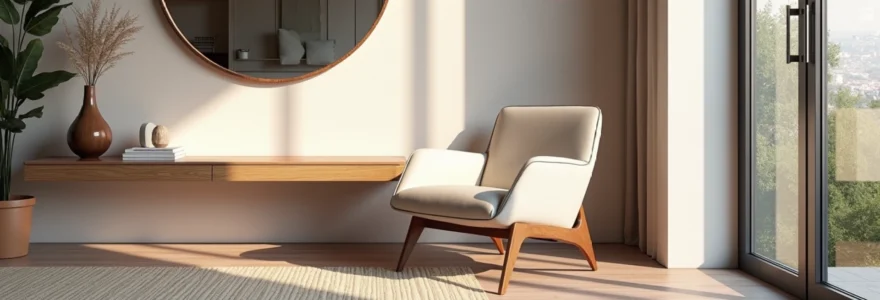
The contemporary interior design landscape has experienced a remarkable transformation, with ultra-trendy mirrors emerging as pivotal elements that transcend mere functional utility. These sophisticated reflective surfaces have evolved into architectural statements that fundamentally reshape how spaces are perceived, experienced, and inhabited. Modern mirrors now serve as multifaceted design tools that address complex spatial challenges while introducing cutting-edge technology and aesthetic innovation.
Today’s discerning homeowners and design professionals recognise that strategic mirror placement can dramatically alter the visual dynamics of any interior space. Beyond their traditional role as grooming aids, contemporary mirrors function as light manipulators, space enhancers, and technological interfaces that seamlessly integrate with smart home ecosystems. The integration of advanced materials, innovative manufacturing techniques, and sophisticated design principles has elevated mirrors from simple reflective surfaces to essential components of modern living environments.
Architectural integration and spatial psychology of contemporary mirror design
Modern interior architecture increasingly relies on sophisticated mirror integration to create harmonious and psychologically comfortable living environments. Contemporary designers understand that mirrors possess the unique ability to alter spatial perception through carefully orchestrated visual manipulation techniques. The strategic placement of ultra-trendy mirrors can transform cramped quarters into seemingly expansive areas while maintaining the structural integrity of existing architectural elements.
Light amplification techniques through strategic mirror placement
Professional lighting designers have discovered that mirrors positioned at precise angles can increase natural light penetration by up to 40% in residential spaces. This phenomenon occurs through the systematic reflection of available light sources, creating a cascading effect that illuminates previously shadowed areas. Strategic mirror placement near windows, doorways, and artificial lighting fixtures maximises photon distribution throughout interior spaces.
The science behind effective light amplification involves understanding photometric principles and the behaviour of reflected illumination. When positioned at optimal angles relative to primary light sources, mirrors can redirect natural sunlight deep into interior spaces, reducing dependence on artificial lighting during daylight hours. This approach not only enhances visual comfort but also contributes to energy efficiency and sustainable living practices.
Visual depth creation using oversized statement mirrors
Oversized mirrors have become increasingly popular among interior designers seeking to create the illusion of expanded spatial dimensions. These statement pieces, often measuring over two metres in height or width, can effectively double the perceived size of compact living areas through sophisticated visual trickery. The psychological impact of encountering large reflective surfaces triggers cognitive responses that interpret reflected space as additional habitable area.
Contemporary mirror manufacturers now produce statement pieces that challenge traditional size limitations while maintaining structural integrity. These substantial mirrors require specialised mounting systems and careful consideration of wall loading capacities. The investment in oversized mirror installations frequently yields significant returns in terms of perceived property value and living comfort enhancement.
Biophilic design enhancement with Nature-Inspired mirror shapes
The biophilic design movement has influenced mirror aesthetics, leading to the development of organic shapes that echo natural forms found in rivers, clouds, and geological formations. These nature-inspired mirrors contribute to psychological well-being by introducing soft, flowing lines that contrast with the rigid geometry typical of modern architecture. Research indicates that exposure to organic shapes can reduce stress levels and promote mental relaxation.
Designers increasingly specify asymmetrical mirrors that feature irregular edges reminiscent of natural water bodies or wind-carved rock formations. These pieces serve as sculptural focal points while maintaining their functional reflective properties. The manufacturing processes required to create these complex shapes often involve advanced computer-controlled cutting techniques and artisanal finishing methods.
Colour temperature manipulation through tinted mirror technologies
Advanced mirror technologies now incorporate selective colour filtering that can manipulate the temperature of reflected light. Bronze, grey, and blue-tinted mirrors offer subtle colour modifications that influence the overall ambience of interior spaces. These tinted surfaces can warm cold northern exposures or cool overly warm southern-facing rooms through selective wavelength reflection.
The psychological effects of colour temperature manipulation extend beyond simple aesthetic preferences. Studies demonstrate that warmer colour temperatures promote feelings of comfort and intimacy, while cooler temperatures enhance focus and productivity. Tinted mirrors allow interior designers to fine-tune the emotional atmosphere of spaces without major structural modifications or expensive lighting system upgrades.
Smart mirror technologies and IoT integration in modern living spaces
The convergence of mirror technology with Internet of Things (IoT) capabilities has revolutionised how these essential fixtures function within contemporary homes. Smart mirrors now serve as multifunctional interfaces that combine traditional reflection with digital connectivity, transforming mundane daily routines into technologically enhanced experiences. These sophisticated systems integrate seamlessly with existing home automation networks while providing unprecedented functionality.
Touch-sensitive display interfaces for Multi-Functional applications
Contemporary smart mirrors feature high-resolution touch-sensitive displays embedded beneath the reflective surface, enabling users to access weather information, news updates, and social media content while performing daily grooming routines. These interfaces typically utilise capacitive touch technology similar to smartphone screens, providing responsive interaction capabilities that remain invisible when the display is inactive.
The integration of multi-touch functionality allows multiple users to interact simultaneously with different areas of the mirror surface. Applications range from makeup tutorials and skincare analysis to video calling and entertainment streaming. Advanced models incorporate gesture recognition systems that enable hands-free operation, particularly valuable in bathroom environments where hygiene considerations are paramount.
Voice-activated controls and amazon alexa integration systems
Voice control integration has emerged as a defining feature of premium smart mirror systems, with Amazon Alexa compatibility becoming increasingly standard across major manufacturers. These systems enable users to control lighting, music playback, calendar scheduling, and smart home devices through natural speech commands. The acoustic engineering required for effective voice recognition in bathroom environments presents unique challenges due to reverberation and ambient noise factors.
Professional installation of voice-activated mirrors requires careful consideration of microphone placement and sound processing algorithms. Modern systems employ far-field voice recognition technology that can accurately interpret commands even in acoustically challenging environments. Integration with existing smart home ecosystems allows these mirrors to serve as central control hubs for comprehensive home automation systems.
LED backlighting with circadian rhythm synchronisation
Advanced LED backlighting systems now incorporate circadian rhythm synchronisation technology that automatically adjusts colour temperature and intensity throughout the day. These systems mimic natural sunlight patterns, providing cool, bright illumination in the morning that gradually transitions to warmer, dimmer light in the evening. This technological innovation supports healthy sleep cycles and overall well-being.
The implementation of circadian lighting requires sophisticated control algorithms that consider geographical location, seasonal variations, and individual user preferences. Premium systems incorporate ambient light sensors that adjust output based on available natural light, ensuring optimal illumination for grooming tasks while supporting biological rhythm regulation . These features represent significant advances in human-centric lighting design principles.
Wireless charging capabilities and Built-In connectivity features
Modern smart mirrors increasingly incorporate wireless charging pads integrated into their frames or adjacent surfaces, providing convenient power solutions for smartphones and other portable devices. These systems typically utilise Qi wireless charging standards, ensuring compatibility with most contemporary mobile devices. The integration of charging capabilities eliminates countertop clutter while maintaining easy access to essential devices.
Built-in connectivity features extend beyond basic Wi-Fi integration to include Bluetooth audio streaming, USB ports, and even wireless display capabilities for content sharing from mobile devices. These comprehensive connectivity solutions transform mirrors into multimedia hubs that support modern digital lifestyles while maintaining their primary reflective function.
Trending mirror styles and designer collections transforming interior aesthetics
The contemporary mirror market showcases an unprecedented diversity of styles, materials, and design philosophies that reflect broader trends in interior design and consumer preferences. Leading furniture retailers and luxury brands have developed distinctive collections that cater to various aesthetic sensibilities while incorporating innovative manufacturing techniques and sustainable materials. These collections demonstrate the evolution of mirrors from purely functional items to sophisticated design statements.
West elm’s sunburst mirror collection and Mid-Century revival
West Elm’s sunburst mirror collection exemplifies the ongoing mid-century modern revival that continues to influence contemporary interior design trends. These pieces feature radiating metal or wood elements that extend from central mirror surfaces, creating dramatic focal points reminiscent of 1960s optimism and space-age aesthetics. The collection offers various scales and finishes, from intimate powder room sizes to grand living room statements.
The manufacturing process for sunburst mirrors requires precise assembly of numerous individual elements, typically involving laser-cut metal components or carefully shaped wooden rays. Quality examples feature hand-finished details that ensure consistent spacing and alignment of radiating elements. These mirrors work particularly well in spaces that celebrate retro-futuristic design principles or seek to add geometric interest to minimalist interiors.
Cb2’s geometric angular frames and brutalist influences
CB2 has embraced the resurgence of brutalist architectural influences through mirror collections featuring bold, angular frames that celebrate raw materials and geometric forms. These pieces often incorporate concrete, blackened steel, or oxidised metal finishes that reference industrial design principles. The stark geometries create powerful visual statements that complement contemporary loft spaces and urban interiors.
The appeal of brutalist-influenced mirrors lies in their ability to introduce sculptural drama while maintaining functional utility. These designs frequently feature asymmetrical compositions that challenge traditional mirror aesthetics, creating conversation pieces that serve as architectural elements rather than simple accessories. The trend reflects broader cultural appreciation for authentic materials and honest construction methods.
Jonathan adler’s lacquered statement pieces and maximalist appeal
Jonathan Adler’s mirror collections embrace maximalist design principles through bold colours, luxurious materials, and theatrical proportions. These pieces often feature high-gloss lacquered frames in vibrant hues, metallic finishes, or exotic material combinations that demand attention. The aesthetic philosophy celebrates excess and glamour, providing counterpoints to minimalist design trends.
The manufacturing processes required for high-quality lacquered finishes involve multiple application layers and careful curing procedures that ensure durability and visual impact. These mirrors serve as artistic focal points that can anchor entire room designs around their bold aesthetic statements. The maximalist approach appeals to consumers seeking unique, conversation-starting pieces that reflect confident personal style choices.
Restoration hardware’s venetian glass and Old-World craftsmanship
Restoration Hardware’s mirror collections emphasise traditional Venetian glassmaking techniques and time-honoured craftsmanship methods that produce pieces with distinctive character and authenticity. These mirrors often feature antiqued surfaces, beveled edges, and ornate frames that reference historical design periods. The attention to detail and quality materials justify premium pricing while delivering heirloom-quality pieces.
Venetian mirror production involves complex multi-stage processes including glass cutting, beveling, silvering, and antiquing treatments that require skilled artisans. The resulting pieces possess unique patina characteristics that cannot be replicated through mass production methods. These mirrors appeal to consumers who appreciate traditional craftsmanship and seek pieces that will appreciate in value over time.
Ikea’s affordable scandinavian minimalism and mass market accessibility
IKEA’s mirror offerings demonstrate how Scandinavian design principles can be successfully adapted for mass market consumption while maintaining aesthetic integrity and functional excellence. The collections emphasise clean lines, natural materials, and practical proportions that complement a wide range of interior styles. Affordability remains a key consideration without compromising essential quality standards.
The success of IKEA’s mirror designs lies in their ability to provide sophisticated aesthetics at accessible price points through efficient manufacturing processes and streamlined distribution systems. These pieces often feature modular design elements that allow for customisation and personalisation while maintaining production efficiency. The approach demonstrates how democratic design principles can make quality mirror solutions available to broader consumer segments.
Contemporary mirror design has evolved far beyond simple reflection, becoming a sophisticated interplay of technology, craftsmanship, and psychological understanding that fundamentally shapes how we experience interior spaces.
Material innovation and manufacturing techniques in Ultra-Modern mirror production
The mirror manufacturing industry has undergone significant technological advancement, incorporating cutting-edge materials and production methods that enhance both aesthetic appeal and functional performance. Contemporary manufacturers utilise advanced coating technologies, precision cutting systems, and innovative substrate materials to create products that far exceed traditional quality standards. These developments enable the production of mirrors with superior optical clarity, enhanced durability, and unique aesthetic characteristics previously impossible to achieve.
Modern silvering processes now employ environmentally conscious techniques that reduce toxic material usage while improving reflective quality. Advanced ion-beam sputtering methods create more uniform and durable reflective coatings compared to traditional chemical silvering processes. These techniques also enable the creation of specialised coatings with specific optical properties, including anti-fog treatments, scratch-resistant surfaces, and selective wavelength filtering capabilities.
Substrate innovations have introduced low-iron glass formulations that eliminate the green tint associated with standard float glass, resulting in mirrors with exceptional colour accuracy and optical clarity. Some manufacturers now offer mirrors produced on recycled glass substrates, appealing to environmentally conscious consumers without compromising optical performance. Advanced annealing processes ensure thermal stability and reduce internal stress that could lead to distortion or breakage.
Precision cutting technologies, including waterjet and laser systems, enable the production of mirrors with complex geometries and perfect edge quality. These methods eliminate the chipping and rough edges associated with traditional cutting techniques while enabling the creation of intricate shapes that would be impossible using conventional methods. Computer-controlled cutting systems ensure dimensional accuracy and consistency across large production runs, meeting the exacting standards required for architectural applications.
Professional installation methods and wall mounting considerations for designer mirrors
Professional mirror installation requires comprehensive understanding of wall construction methods, load-bearing calculations, and specialised mounting hardware designed for various mirror weights and sizes. Contemporary mirror installations often involve substantial pieces that require careful engineering analysis to ensure safe and secure mounting. Professional installers must consider factors including wall type, stud location, mirror weight distribution, and environmental conditions that could affect long-term stability.
Load calculations for oversized mirrors must account for dynamic forces including thermal expansion, building settlement, and seismic activity in applicable regions. Professional installers utilise specialised hardware including French cleat systems, Z-bar mounting methods, and point-fixed systems that distribute loads appropriately while allowing for adjustment and removal when necessary. These systems often incorporate safety redundancy features that prevent catastrophic failure even if primary mounting points are compromised.
Wall preparation requirements vary significantly depending on construction methods and mirror specifications. Drywall installations typically require backing reinforcement or direct stud mounting for mirrors exceeding 25 pounds. Masonry walls may require specialised anchoring systems designed for specific materials including brick, concrete block, or natural stone. Professional installers must understand the load-bearing characteristics of various wall systems and select appropriate mounting methods accordingly.
Environmental considerations include moisture exposure, temperature fluctuations, and air circulation patterns that could affect mirror performance over time. Bathroom installations require special attention to ventilation and moisture control to prevent silvering deterioration. Climate-controlled environments may experience significant temperature variations that cause expansion and contraction, requiring mounting systems that accommodate dimensional changes without stress concentration. Proper installation techniques ensure long-term performance and prevent costly damage or safety hazards.
The intersection of advanced manufacturing techniques and professional installation expertise ensures that contemporary mirrors achieve their full potential as both functional elements and architectural statements.
Market analysis and consumer behaviour trends in luxury mirror purchasing decisions
The luxury mirror market has experienced remarkable growth, with industry analysts reporting annual increases of 12-15% in premium segment sales over the past three years. Consumer behaviour research indicates that modern buyers increasingly view mirrors as investment pieces comparable to artwork or furniture, justifying higher expenditures for quality materials, unique designs, and advanced functionality. This shift represents a fundamental change from traditional purchasing patterns that prioritised basic functionality over aesthetic consideration.
Demographic analysis reveals that millennial and Generation X consumers drive the majority of luxury mirror purchases, with preferences skewing toward technologically integrated products and sustainable manufacturing methods. These consumer segments demonstrate willingness to pay premium prices for mirrors that incorporate smart features, environmentally responsible materials, and distinctive design aesthetics. The influence of social media and interior design content on purchasing decisions has become increasingly significant, with visual inspiration platforms directly affecting consumer preferences and brand awareness.
Price sensitivity analysis indicates that consumers typically allocate 3-5% of total interior design budgets to mirror purchases, with higher percentages observed in luxury market segments. The emergence of financing options and payment plans has expanded access to premium products, enabling broader consumer participation in luxury mirror markets. Seasonal purchasing patterns show peak activity during spring renovation periods and year-end holiday seasons, with smart retailers adjusting inventory and promotional strategies accordingly.
Consumer research methodologies reveal that product research phases now extend significantly longer than historical patterns, with buyers conducting extensive online research, consulting professional designers, and seeking peer recommendations before making final purchasing decisions. The importance of product reviews, professional photography, and detailed technical specifications in influencing purchase decisions has
increased dramatically. Consumer surveys indicate that 78% of luxury mirror buyers now spend more than two weeks researching options before making final purchasing decisions, compared to just 32% five years ago.
Return policy expectations have evolved significantly, with consumers increasingly demanding extended trial periods and satisfaction guarantees for premium mirror purchases. Successful retailers now offer 30-90 day return policies, white-glove delivery services, and comprehensive installation support to differentiate themselves in competitive luxury markets. The emphasis on customer experience excellence has become a crucial factor in brand loyalty and repeat purchase behavior, with consumers willing to pay premium prices for superior service offerings.
Brand perception studies reveal that consumers increasingly associate luxury mirror brands with lifestyle aspirations and social status markers. The influence of celebrity endorsements, interior design influencer partnerships, and high-profile architectural installations on consumer purchasing decisions has grown substantially. Luxury mirror manufacturers now invest significantly in brand positioning strategies that emphasize craftsmanship heritage, sustainable practices, and technological innovation to appeal to sophisticated consumer segments.
Regional market variations demonstrate interesting patterns in luxury mirror consumption, with urban markets showing higher adoption rates for smart mirror technologies while suburban consumers prioritize traditional craftsmanship and larger statement pieces. International market expansion strategies must account for cultural preferences, regulatory requirements, and economic conditions that vary significantly across global markets. The emergence of direct-to-consumer sales models has disrupted traditional retail channels, enabling manufacturers to maintain higher profit margins while offering competitive pricing to end consumers.
The luxury mirror market represents a fascinating intersection of traditional craftsmanship, cutting-edge technology, and evolving consumer expectations that continues to drive innovation and premium positioning strategies across the industry.