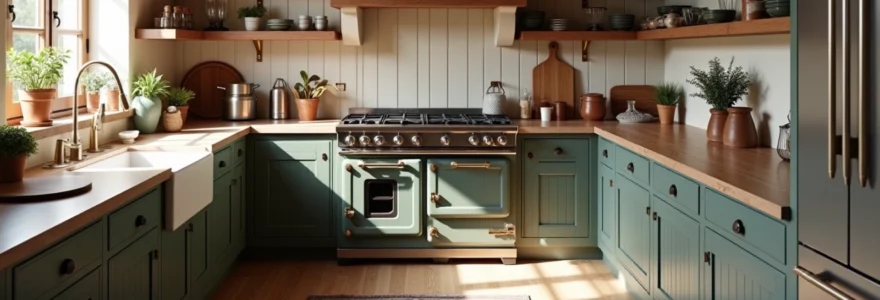
The enduring appeal of rustic kitchens lies in their ability to transform the heart of your home into a sanctuary of warmth, authenticity, and timeless charm. These spaces evoke memories of countryside cottages, ancestral farmhouses, and simpler times when craftsmanship mattered more than mass production. A rustic kitchen design masterfully blends natural materials with weathered textures, creating an atmosphere that feels both lived-in and lovingly maintained. The magic happens when rough-hewn timber meets hand-forged metal, when stone surfaces tell stories of generations past, and when every imperfection becomes a treasured detail that adds character rather than detracting from beauty.
What sets rustic kitchens apart from contemporary designs is their celebration of imperfection and their deep connection to natural elements. Unlike sleek modern spaces that prioritise clean lines and minimalist aesthetics, rustic kitchens embrace the organic irregularities found in nature. The knots in reclaimed wood, the patina on copper fixtures, and the subtle variations in handmade tiles all contribute to a design philosophy that values authenticity over uniformity. This approach creates spaces that feel genuinely welcoming, where family gatherings naturally gravitate towards the warmth of natural materials and the comfort of time-honoured design principles.
Natural wood elements and reclaimed timber craftsmanship
The foundation of any truly exceptional rustic kitchen lies in its thoughtful use of natural wood elements and reclaimed timber craftsmanship. These materials serve as the backbone of the design, providing both structural integrity and visual warmth that synthetic alternatives simply cannot replicate. The beauty of working with reclaimed timber extends beyond mere aesthetics; each plank carries its own history, bearing the marks of previous use while contributing to sustainable design practices that honour both environmental responsibility and traditional craftsmanship values.
Quality reclaimed timber possesses an irreplaceable character that can only develop through decades of weathering, use, and natural ageing processes that modern manufacturing techniques cannot authentically reproduce.
Barnwood cladding and shiplap wall treatments
Barnwood cladding represents one of the most effective methods for introducing rustic authenticity into kitchen spaces. The weathered surfaces of genuine barn timber showcase natural grey patinas, subtle colour variations, and the distinctive nail holes that speak to decades of agricultural use. When properly treated and sealed, these materials provide excellent insulation properties while maintaining their rustic appeal. Modern installation techniques ensure that historical materials meet contemporary building standards without compromising their aged character.
Shiplap wall treatments offer a more refined approach to rustic wood applications, particularly suitable for homeowners seeking farmhouse aesthetics without the pronounced weathering of barnwood. The overlapping horizontal boards create visual interest through their shadow lines whilst providing practical benefits such as improved moisture resistance and easier maintenance. Professional installation of shiplap requires careful attention to expansion gaps and proper sealing to prevent moisture infiltration behind the boards.
Exposed beam construction with Hand-Hewn oak and pine
Exposed ceiling beams transform ordinary kitchens into extraordinary spaces by drawing the eye upward and creating dramatic architectural interest. Hand-hewn oak beams showcase the traditional craftsmanship of generations past, with their distinctive tool marks and natural irregularities telling stories of skilled artisans who shaped timber using only hand tools. These massive structural elements provide both visual weight and authentic historical connection that machine-finished lumber cannot match.
Pine beams offer a lighter alternative whilst maintaining rustic charm, particularly effective in kitchens with lower ceiling heights where darker oak might feel overwhelming. The natural resin patterns and lighter colour palette of pine create a more casual, cottage-inspired atmosphere that pairs beautifully with painted cabinetry and lighter colour schemes. Both oak and pine beams require proper treatment to prevent insect infestation and moisture damage whilst preserving their natural beauty.
Butcher block worktops and Live-Edge counter applications
Butcher block worktops represent the perfect marriage of functionality and rustic aesthetics, providing durable work surfaces that improve with age and use. The end-grain construction of traditional butcher blocks creates self-healing properties that allow knife marks to close naturally, whilst the warm wood tones complement virtually any colour scheme. Regular maintenance with food-grade oils keeps these surfaces beautiful and hygienic whilst developing the rich patina that makes each installation unique.
Live-edge countertops push rustic design boundaries by preserving the natural edge of the tree, complete with bark inclusions and organic curves that celebrate nature’s imperfect beauty. These statement pieces require skilled craftsmanship to stabilise and finish properly whilst maintaining their wild, untamed appearance. The irregular edges create unique storage opportunities and conversation pieces that transform functional work surfaces into artistic focal points.
Distressed cabinet finishes and milk paint patination techniques
Distressed cabinet finishes create the illusion of decades of loving use through carefully controlled wear patterns that highlight edges, corners, and frequently touched areas. Professional distressing techniques include sanding through multiple paint layers, strategic denting with chains or hammers, and chemical aging processes that create authentic-looking patina without compromising structural integrity. The key lies in restraint; overdoing distressing effects can appear artificial rather than naturally aged.
Milk paint patination offers an authentic approach to cabinet finishing that utilises traditional materials and techniques dating back centuries. This natural paint creates a distinctive chalky finish with subtle colour variations and natural crackling that develops over time. The breathable nature of milk paint allows wood to expand and contract naturally whilst the finish ages gracefully, developing deeper character with each passing year. Multiple thin coats build up complex colour depths that modern synthetic paints cannot replicate.
Traditional hardware and artisanal metalwork integration
The devil, as they say, lies in the details, and nowhere is this more evident than in the selection and integration of traditional hardware and artisanal metalwork throughout rustic kitchen designs. These seemingly small elements serve as the jewellery of the kitchen, providing both functional necessity and aesthetic punctuation that can elevate a good design to greatness. The patina, weight, and craftsmanship quality of traditional metalwork creates tactile experiences that synthetic alternatives cannot match, whilst their visual impact provides the perfect counterpoint to the organic warmth of natural wood elements.
Contemporary rustic kitchens benefit enormously from the integration of authentic artisanal metalwork that showcases traditional blacksmithing techniques and time-honoured finishing processes. The slight irregularities inherent in hand-forged pieces provide visual interest and authentic character that mass-produced hardware lacks. These elements connect modern kitchens to centuries-old craft traditions whilst providing superior durability and functionality that justifies their investment cost through both performance and aesthetic longevity.
Wrought iron cabinet pulls and Hand-Forged strap hinges
Wrought iron cabinet hardware brings immediate rustic authenticity to kitchen cabinetry through its distinctive texture, substantial weight, and traditional black finish. Hand-forged pulls showcase the hammer marks and subtle variations that identify genuine blacksmith work, creating hardware that feels substantial and purposeful in daily use. The natural grip texture of wrought iron provides excellent functionality whilst developing a subtle polish through regular handling that adds to its aged character over time.
Strap hinges represent one of the oldest and most visually distinctive forms of door hardware, particularly effective on rustic cabinet doors where their lengthy profiles can be fully appreciated. Traditional installation techniques require careful mortising to accommodate the substantial thickness of hand-forged hinges whilst ensuring smooth operation. The visible hardware becomes a design feature rather than a hidden necessity, contributing to the authentic historical appearance that defines successful rustic kitchen design.
Cast iron range cookers and Vintage-Style AGA integration
Cast iron range cookers serve as the commanding centrepiece of many rustic kitchens, providing both exceptional cooking performance and substantial visual presence that anchors the entire design scheme. These substantial appliances require careful planning for proper ventilation, structural support, and utility connections, but their contribution to kitchen functionality and aesthetic impact justifies the additional complexity. The thermal mass of cast iron provides superior heat retention and even temperature distribution that serious cooks appreciate whilst the traditional styling complements rustic design elements perfectly.
Vintage-style AGA cookers represent the pinnacle of traditional cooking technology, offering constant gentle heat that creates perfect conditions for slow cooking, bread baking, and traditional cooking techniques. Modern AGA installations maintain the classic appearance whilst incorporating contemporary efficiency improvements and precise temperature controls. The distinctive hotplates and ovens require learning new cooking techniques, but the results consistently justify the adjustment period for families committed to traditional cooking methods and authentic period aesthetics.
Copper farmhouse sinks and hammered metal basin selections
Copper farmhouse sinks combine practical functionality with striking visual appeal, their warm metallic tones complementing natural wood elements whilst their antimicrobial properties provide natural hygiene benefits. The living finish of copper develops beautiful patina over time, transitioning through various colour stages that reflect usage patterns and maintenance approaches. Hand-hammered copper sinks showcase artisanal craftsmanship whilst their substantial construction ensures decades of reliable service with proper care and maintenance.
The deep basins characteristic of farmhouse sink designs accommodate large pots, baking sheets, and family-sized cookware whilst their front-facing installation creates comfortable working positions that reduce back strain during food preparation and cleanup. Professional installation requires careful cabinet modifications to support the substantial weight of filled sinks whilst ensuring proper drainage and plumbing connections. The exposed front panel becomes a prominent design feature that deserves careful consideration during the selection process.
Antique brass fixtures and Oil-Rubbed bronze tap collections
Antique brass fixtures provide warm metallic accents that complement copper sinks and wrought iron hardware whilst offering superior corrosion resistance compared to standard brass finishes. The living finish develops character over time through natural oxidation processes that create unique patina patterns reflecting individual usage patterns. Professional-grade antique brass maintains its appearance longer than budget alternatives whilst providing superior internal component quality that ensures smooth operation and longevity.
Oil-rubbed bronze tap collections offer rich, dark metallic finishes that coordinate beautifully with wrought iron hardware whilst providing excellent durability and stain resistance. The distinctive finish combines black undertones with bronze highlights that become more pronounced through regular use, creating fixtures that actually improve in appearance over time. Quality oil-rubbed bronze plumbing fixtures feature solid brass construction with premium cartridges and seals that ensure reliable operation for decades with minimal maintenance requirements.
Stone masonry and natural material applications
Stone masonry brings enduring strength and natural beauty to rustic kitchen designs, providing surfaces and structural elements that connect interior spaces to the geological foundations beneath them. The thermal mass of stone materials helps regulate kitchen temperatures whilst their non-porous surfaces resist stains, scratches, and heat damage that would compromise lesser materials. Natural stone variations ensure that each installation possesses unique characteristics that cannot be replicated, making every rustic kitchen truly one-of-a-kind.
The integration of natural stone materials requires expertise in both structural engineering and aesthetic composition to achieve successful results. Professional stone masons understand how different materials expand and contract with temperature changes, how to design appropriate drainage systems, and how to select stones that will age gracefully within kitchen environments. The investment in quality stone work pays dividends through decades of maintenance-free service whilst providing visual anchors that ground rustic designs in natural authenticity.
Fieldstone foundations and accent walls showcase the raw beauty of locally sourced materials whilst connecting kitchens to their geographic regions through indigenous geological character. The irregular shapes and natural colour variations of fieldstone create organic texture that softens the hard edges of cabinetry and appliances whilst providing excellent acoustic properties that reduce kitchen noise levels. Traditional dry-stacking techniques allow for natural drainage whilst showcasing the stonemason’s skill in selecting and placing stones that fit together naturally without mortar.
Granite and slate surfaces offer practical work areas that withstand the demands of active cooking whilst maintaining their pristine appearance for decades with minimal care. The dense, non-porous nature of these materials resists bacterial growth and staining whilst their natural slip resistance provides safe working surfaces even when wet. Honed finishes rather than polished surfaces better complement rustic aesthetics whilst providing superior functionality for food preparation tasks.
Travertine and limestone applications bring lighter tones and softer textures that balance the visual weight of darker wood elements whilst providing excellent heat resistance around cooking areas. These sedimentary stones showcase fascinating fossil inclusions and natural patterns that create conversation pieces whilst serving practical functions. Proper sealing protects these more porous materials from staining whilst maintaining their natural appearance and texture. The warm undertones of travertine particularly complement cream and butter-coloured paint schemes popular in country-style kitchens.
Vintage appliance integration and Period-Appropriate technology
The challenge of integrating modern appliance functionality within authentic rustic kitchen designs requires careful balance between contemporary convenience and period-appropriate aesthetics. Successful vintage appliance integration goes beyond mere styling to encompass thoughtful consideration of proportions, materials, and operational characteristics that complement rather than compete with traditional design elements. The goal involves creating seamless integration where necessary modern conveniences enhance rather than detract from the overall rustic atmosphere.
Professional kitchen designers specialising in rustic styles understand how to conceal contemporary appliances behind period-appropriate panels whilst ensuring proper ventilation and access for maintenance. Custom cabinetry can incorporate hidden dishwashers, built-in microwaves, and modern refrigeration systems without compromising the authentic appearance that defines successful rustic kitchen design. Strategic placement and thoughtful detailing ensure that necessary modern conveniences remain functional whilst maintaining design integrity.
Restoration of authentic vintage appliances presents opportunities to incorporate genuine period pieces that provide both functional service and unmatched historical authenticity. Vintage gas ranges from manufacturers like Chambers, Wedgewood, and O’Keefe & Merritt offer superior cooking performance whilst showcasing the substantial construction and attention to detail characteristic of mid-century American manufacturing. Professional restoration services can update internal components for safety and efficiency whilst preserving original styling and finish details.
Period-appropriate refrigeration solutions include restored vintage units that showcase authentic styling details like rounded corners, chrome handles, and distinctive colour schemes that complement rustic kitchen palettes. Modern reproductions from specialty manufacturers combine vintage aesthetics with contemporary energy efficiency and reliability, providing practical alternatives when authentic units are unavailable or impractical. The substantial visual presence of these appliances requires careful planning to ensure proper proportions within the overall kitchen design.
Custom appliance panels crafted from reclaimed wood or traditional materials allow modern units to blend seamlessly within rustic environments whilst maintaining access to contemporary features and efficiency ratings. Professional installation ensures that decorative panels do not interfere with appliance operation whilst providing the authentic appearance that maintains design continuity. Careful attention to hardware selection and finish details ensures that custom panels enhance rather than compromise the overall aesthetic vision.
Lighting design through edison bulb fixtures and lantern installations
Thoughtful lighting design transforms rustic kitchens from merely authentic-looking spaces into truly functional environments that accommodate both daily activities and intimate gatherings. The warm, amber glow of Edison bulb fixtures provides visual comfort whilst their exposed filament designs celebrate the industrial heritage that complements rustic aesthetics. Professional lighting designers understand how to layer different light sources to create flexible illumination schemes that enhance both functionality and atmosphere throughout different times of day and various activities.
Strategic placement of pendant lights over kitchen islands and work areas ensures adequate task lighting whilst maintaining the visual interest that decorative fixtures provide. The substantial construction of traditional lantern-style fixtures provides excellent light distribution whilst their authentic materials and finishes complement other metalwork throughout the space. Dimmer controls allow adjustment between bright working light and subdued ambient lighting that creates intimate dining atmospheres when needed.
Hand-forged iron chandeliers serve as dramatic focal points that anchor large kitchen spaces whilst providing generous general illumination for family gatherings and entertaining. The substantial visual weight of authentic metalwork requires careful consideration of ceiling structure and proper installation techniques to ensure safety whilst achieving the desired aesthetic impact. Candelabra-style bulbs enhance the traditional appearance whilst providing adequate light output for practical use.
Reclaimed wood beam fixtures combine natural materials with industrial lighting elements to create unique installations that celebrate both craftsmanship traditions. Mason jar pendant lights offer casual charm whilst providing focused task lighting over specific work areas. These fixtures work particularly well in casual dining areas and breakfast nooks where their whimsical character enhances the relaxed atmosphere that defines successful rustic kitchen design.
Under-cabinet LED systems provide essential task lighting for food preparation whilst remaining virtually invisible during normal use. Professional installation ensures even light distribution without creating unwanted glare or shadows that would interfere with cooking activities. Warm colour temperatures (2700K-3000K) complement the amber tones of Edison bulbs whilst providing excellent colour rendering for food preparation and presentation.
Proper layering of ambient, task, and accent lighting creates depth and visual interest whilst ensuring that rustic kitchens remain highly functional spaces that accommodate both daily cooking needs and special occasion entertaining requirements.
Textile elements and handwoven fabric contributions to rustic aesthetics
Textile elements provide the finishing touches that transform rustic kitchens from impressive showcases of craftsmanship into truly liveable spaces that
invite family and friends to linger comfortably whilst cooking and entertaining. The careful selection and placement of natural fibres, handwoven fabrics, and traditional textiles creates layers of texture and warmth that synthetic materials simply cannot replicate. Quality textile elements soften the hard edges of stone and metal surfaces whilst introducing colour and pattern that reflects regional crafts traditions and personal style preferences.
Natural linen tea towels, cotton table runners, and wool seat cushions provide practical functionality whilst contributing to the overall aesthetic harmony that defines exceptional rustic kitchen design. The inherent irregularities of handwoven fabrics echo the organic variations found in natural wood grains and stone patterns, creating visual cohesion that ties all design elements together. Professional interior designers understand how to balance textile colours and patterns with existing materials to avoid overwhelming busy rustic environments whilst ensuring adequate visual interest and comfort.
Window treatments play a crucial role in controlling natural light whilst maintaining privacy and seasonal comfort within rustic kitchen environments. Linen café curtains provide casual charm whilst allowing maximum natural light penetration during food preparation activities. Roman shades crafted from natural fibres offer more substantial light control whilst their structured appearance complements the architectural elements that define successful rustic kitchen designs. The warm tones and organic textures of natural fabrics enhance rather than compete with wood and stone surfaces.
Woven baskets serve dual purposes as both decorative elements and practical storage solutions that maintain the organised functionality essential in working kitchens. Reed, willow, and seagrass baskets provide textural contrast whilst their natural ageing processes develop beautiful patina that enhances their authenticity over time. Strategic placement of baskets containing fresh produce, kitchen linens, or cooking utensils creates vignettes that celebrate the connection between kitchen functionality and decorative appeal.
Handcrafted pottery and ceramic collections introduce regional artistic traditions whilst providing practical serving pieces that enhance both daily meals and special occasions. The slight irregularities characteristic of wheel-thrown pottery complement the organic aesthetic that defines rustic kitchen environments whilst their functional designs serve practical needs for food preparation, storage, and presentation. Local artisan pieces create unique connections to regional craft traditions whilst supporting traditional making techniques that honour historical precedents.
Vintage quilts and antique textiles can be thoughtfully incorporated as wall hangings or table coverings that introduce family history and cultural heritage into kitchen spaces. These textile treasures require careful preservation considerations including proper mounting techniques and protection from kitchen moisture and heat sources. Professional conservation advice ensures that valuable family pieces remain protected whilst contributing their irreplaceable character and emotional resonance to kitchen environments that celebrate both functionality and heritage preservation.
The most successful rustic kitchens achieve perfect balance between authentic historical materials, traditional craftsmanship techniques, and contemporary functionality requirements that accommodate modern family lifestyles without compromising aesthetic integrity or practical performance.
Understanding what makes rustic kitchens so enduringly appealing reveals the deep human connection to natural materials, traditional craftsmanship, and authentic design principles that transcend passing trends. These spaces succeed because they honour both practical functionality and emotional resonance, creating environments where families gather naturally and memories develop organically. The investment in quality materials and skilled craftsmanship ensures that rustic kitchens improve with age rather than showing wear, becoming more beautiful and characterful as years pass and family traditions develop around their warming presence.
Professional design teams specialising in rustic kitchen creation understand how to balance authentic historical details with contemporary convenience requirements whilst maintaining the integrity that makes these spaces so compelling. The careful orchestration of natural materials, traditional techniques, and thoughtful modern adaptations requires expertise that goes beyond surface styling to encompass deep understanding of how families actually live and work within kitchen environments. This comprehensive approach ensures that rustic kitchens provide both immediate visual impact and long-term satisfaction that justifies their investment through decades of reliable service and timeless appeal.