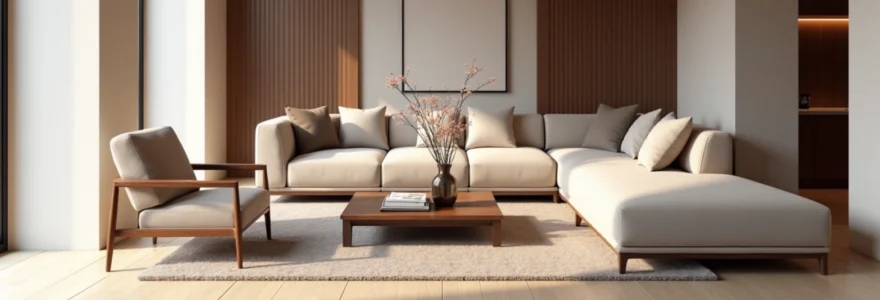
Modern sophistication transcends fleeting trends, establishing itself as a timeless approach to both fashion and interior design. This refined aesthetic philosophy emphasises quality over quantity, subtlety over ostentation, and thoughtful curation over impulsive accumulation. Chic sophistication represents a harmonious balance between contemporary innovation and classical principles, creating spaces and wardrobes that exude confidence without shouting for attention.
The contemporary interpretation of sophistication draws from multiple cultural traditions whilst adapting to modern lifestyles and sustainability concerns. Today’s sophisticated approach integrates technological advances, environmental consciousness, and global design influences into a cohesive aesthetic language. Whether applied to personal styling or interior spaces, this philosophy prioritises clean lines, considered proportions, and materials that improve with age rather than deteriorate over time.
Understanding sophisticated style requires examining its fundamental components: colour theory, textural relationships, spatial composition, and cultural influences. These elements work together to create environments and appearances that feel both current and enduring, sophisticated yet accessible.
Colour psychology and sophisticated palette theory in contemporary design
Sophisticated colour application extends far beyond personal preference, drawing on psychological principles and colour theory to create harmonious environments that promote wellbeing and visual appeal. Modern sophisticated palettes tend to favour complexity within simplicity, utilising nuanced tones that shift subtly under different lighting conditions rather than flat, uniform colours.
The psychological impact of colour choices profoundly influences how spaces and outfits are perceived and experienced. Sophisticated colour schemes typically incorporate colours that promote calm focus and elevated mood, avoiding jarring contrasts or overly saturated hues that can create visual fatigue. Research indicates that environments dominated by cool-toned palettes with warm accent points reduce stress levels whilst maintaining alertness and creativity.
Monochromatic schemes: mastering tonal variations in neutral palettes
Monochromatic sophistication relies on mastering subtle variations within a single colour family, creating depth through texture and tone rather than contrasting hues. This approach allows for greater focus on form, proportion, and material quality whilst maintaining visual coherence. Tonal sophistication emerges when different shades, tints, and tones of the same colour family are layered thoughtfully, creating interest without chaos.
Successful monochromatic schemes incorporate at least five distinct tonal variations, from the lightest highlights to the deepest shadows. These variations should progress naturally, avoiding stark jumps that disrupt visual flow. The most sophisticated monochromatic palettes include both warm and cool undertones within the same colour family, preventing the space or outfit from appearing flat or one-dimensional.
Analogous colour harmonies: creating visual flow through adjacent hues
Analogous colour schemes utilise colours that sit adjacent to each other on the colour wheel, creating natural harmony whilst allowing for more colour variation than strict monochromatic approaches. These schemes work particularly well in sophisticated design because they mirror colour relationships found in nature, creating an inherently pleasing visual experience.
The most successful analogous palettes in contemporary sophisticated design span approximately 60 degrees on the colour wheel, providing enough variation for interest whilst maintaining harmony. For example, a palette moving from sage green through soft blue-greens to dusty blues creates a sophisticated foundation that feels both cohesive and dynamic. These schemes allow for subtle seasonal adjustments without requiring complete palette overhauls.
Accent colour placement: strategic pop implementation in minimalist spaces
Sophisticated accent colour application follows the 60-30-10 rule, where the dominant colour occupies approximately 60% of the visual field, a secondary colour fills 30%, and accent colours comprise only 10%. This proportion ensures that accent colours truly accent rather than compete with the overall palette. Strategic colour placement directs attention to key focal points whilst maintaining overall visual balance.
Contemporary sophisticated spaces often limit accent colours to one or two carefully chosen hues, repeated strategically throughout the space in different intensities and applications. These accent colours should relate harmoniously to the primary palette whilst providing enough contrast to create visual interest. The most successful accent colours in sophisticated design possess both warm and cool undertones, allowing them to complement changing light conditions throughout the day.
Psychological impact of Cool-Toned palettes in modern interior architecture
Cool-toned palettes dominated by blues, greens, and greys create psychological associations with calm, cleanliness, and intellectual focus. Research in environmental psychology demonstrates that cool-toned environments promote concentration and reduce anxiety, making them particularly suitable for work spaces, bedrooms, and areas intended for contemplation or creative work.
Modern sophisticated interiors leverage cool tones as foundation colours, adding warmth through natural materials, textures, and carefully placed warm accent colours. This approach maintains the psychological benefits of cool tones whilst preventing spaces from feeling cold or unwelcoming. The most successful cool-toned sophisticated palettes incorporate subtle warm undertones that become more apparent as natural light changes throughout the day, creating dynamic colour experiences that feel alive rather than static.
Textural sophistication: material selection and surface treatment techniques
Textural sophistication represents one of the most critical yet often overlooked aspects of contemporary design excellence. While colour palettes establish mood and visual harmony, texture creates the tactile and visual depth that transforms spaces from merely attractive to genuinely sophisticated. Material sophistication emerges from thoughtful selection and combination of surfaces that complement each other whilst serving functional purposes.
Contemporary sophisticated design prioritises materials that age gracefully, developing character over time rather than deteriorating. This philosophy extends beyond mere durability to encompass how materials respond to use, light, and environmental changes. The most sophisticated material choices improve aesthetically with age, developing patinas, softening edges, or gaining depth through natural wear patterns.
Natural fibre integration: linen, cashmere, and raw silk applications
Natural fibres provide sophisticated spaces with organic texture variations that synthetic materials cannot replicate. Linen brings casual elegance through its natural irregularities and tendency to develop a lived-in softness that enhances comfort without sacrificing visual appeal. The natural drape and subtle wrinkle patterns of quality linen create visual interest whilst maintaining an effortless, sophisticated appearance.
Cashmere and raw silk introduce luxury through their unique tactile qualities and subtle lustre variations. These materials work particularly well as accent elements in sophisticated design schemes, providing textural contrast against rougher materials like raw wood or stone. Natural fibre integration should balance different weights and weaves to create layered textural experiences that invite both visual appreciation and tactile exploration.
Mixed-media layering: combining organic and industrial surface elements
Sophisticated contemporary design excels at combining seemingly disparate materials in harmonious ways, creating unexpected relationships between organic and industrial elements. This approach prevents spaces from becoming too precious or sterile whilst maintaining overall refinement. Successful mixed-media applications balance rough and smooth textures, matte and reflective surfaces, and hard and soft materials.
The key to successful mixed-media sophistication lies in finding common threads between different materials, such as similar undertones, complementary scales, or shared geometric properties. For example, the linear grain patterns in raw wood might echo the directional brushing on brushed metal surfaces, creating visual connection despite material differences. These subtle relationships create cohesive sophistication even within diverse material palettes.
Tactile contrast principles: smooth versus textured material juxtaposition
Tactile contrast creates sophisticated interest through the strategic placement of smooth and textured surfaces in complementary relationships. This principle operates on both macro and micro levels, from the relationship between different furniture pieces to the surface treatments within individual objects. Tactile sophistication emerges when these contrasts feel intentional rather than accidental, supporting the overall design narrative.
Successful tactile contrast typically follows a rhythmic pattern throughout sophisticated spaces, alternating between smooth and textured elements at regular intervals. This creates visual breathing room whilst maintaining engagement. The most sophisticated applications ensure that textural contrasts serve functional as well as aesthetic purposes, such as using smooth surfaces in high-traffic areas where easy cleaning is essential, whilst incorporating textured surfaces in areas where acoustic absorption or visual warmth is desired.
Sustainable luxury materials: bamboo, cork, and reclaimed wood applications
Contemporary sophistication increasingly prioritises environmental responsibility without compromising aesthetic quality. Sustainable luxury materials like bamboo, cork, and reclaimed wood offer unique textural qualities whilst supporting ecological consciousness. These materials often possess character variations and natural imperfections that add authentic sophistication impossible to achieve with manufactured materials.
Bamboo provides sophisticated spaces with smooth, linear textures and natural colour variations that complement both warm and cool palettes. Cork offers unique tactile qualities and natural acoustic properties that enhance comfort whilst providing visual interest through its organic patterning. Reclaimed wood brings history and character through weathering patterns, nail holes, and colour variations that tell stories whilst providing substantial visual weight and warmth.
Architectural elements and spatial composition in chic design
Architectural sophistication transcends mere decoration, focusing instead on fundamental spatial relationships, proportional harmony, and structural elegance. Contemporary chic design emphasises the architecture itself as the primary design element, using furniture and accessories to complement rather than compete with spatial qualities. This approach creates environments that feel cohesive and purposeful rather than assembled from disparate elements.
Modern sophisticated spatial design leverages natural light as a primary design material, carefully considering how different times of day and seasonal changes affect the perception of space. Architectural sophistication emerges when spaces feel naturally proportioned and functionally logical, supporting daily activities whilst maintaining visual appeal. The most successful contemporary spaces create clear circulation patterns and sight lines that make navigation intuitive whilst providing opportunities for both social interaction and private retreat.
Ceiling heights, window proportions, and floor-to-wall relationships significantly impact spatial sophistication. Contemporary design often emphasises horizontal lines to create calm, stable feelings, whilst vertical elements add drama and grandeur. The most sophisticated spaces balance these competing forces through careful attention to proportional relationships derived from classical architectural principles adapted for modern living requirements.
Sophisticated spatial composition also considers acoustic properties, ensuring that sound behaves appropriately within different zones. Hard surfaces in social areas enhance conversation and energy, whilst soft materials in private spaces promote relaxation and contemplation. This functional sophistication supports the aesthetic goals whilst creating environments that perform well for their intended purposes.
Fashion silhouette theory: contemporary tailoring and draping techniques
Contemporary fashion sophistication relies heavily on silhouette mastery, where the overall shape and proportion of garments create elegant lines that flatter the wearer whilst expressing modern aesthetic sensibilities. Silhouette sophistication emerges from understanding how different cuts and draping techniques interact with the human form to create pleasing proportions and comfortable movement. This knowledge allows for confident styling choices that appear effortless whilst requiring considerable technical skill and understanding.
Modern sophisticated silhouettes often blend structure with fluidity, creating garments that maintain their shape whilst allowing natural movement. This balance prevents clothing from appearing either too rigid or too casual, achieving the relaxed elegance that characterises contemporary sophistication. The most successful contemporary silhouettes flatter multiple body types through strategic proportional relationships rather than relying on size-specific tailoring.
Structured minimalism: clean lines in scandinavian and japanese design philosophy
Structured minimalism represents a sophisticated approach to both fashion and interior design that emphasises purity of line and purposeful reduction. This philosophy, deeply influenced by Scandinavian and Japanese design traditions, creates sophistication through what is omitted rather than what is included. Minimalist sophistication requires exceptional attention to proportion, material quality, and construction details, as there are fewer elements to mask imperfections.
Scandinavian-influenced structured minimalism prioritises functionality and natural materials, creating sophisticated simplicity that supports daily life without unnecessary complexity. This approach favours clean geometric lines, neutral colour palettes, and materials that showcase natural beauty through minimal processing. Japanese-influenced minimalism adds philosophical depth through concepts of negative space and asymmetrical balance, creating sophisticated compositions that feel both purposeful and serene.
Asymmetrical balance: deconstructed tailoring methods from comme des garçons
Asymmetrical balance introduces sophisticated visual interest through intentional imbalance that creates dynamic tension whilst maintaining overall harmony. This approach, pioneered by avant-garde designers like those at Comme des Garçons, challenges traditional symmetrical expectations whilst maintaining wearability and aesthetic appeal. Deconstructed sophistication emerges when asymmetrical elements feel intentional and considered rather than accidental or arbitrary.
Successful asymmetrical balance typically establishes visual weight through careful distribution of design elements, ensuring that irregular shapes and proportions create pleasing compositions. This might involve offsetting a dramatic sleeve with subtle hemline adjustments, or balancing asymmetrical necklines with strategic colour placement. The most sophisticated asymmetrical designs maintain functional integrity whilst challenging conventional aesthetic expectations.
Proportional harmony: golden ratio applications in garment construction
Proportional harmony based on mathematical relationships like the golden ratio creates naturally pleasing silhouettes that feel balanced and sophisticated. These proportional systems, used in classical architecture and art, translate effectively to fashion design by creating length-to-width relationships that complement human perception and aesthetic preference. Proportional sophistication operates subconsciously, creating garments that feel “right” without obvious explanation.
Golden ratio applications in contemporary fashion might involve hemline placement, waistline positioning, or the relationship between different garment sections. These proportional relationships work across different body types and sizes, creating universally flattering designs that maintain their sophisticated appeal regardless of fit variations. The most successful proportional applications feel natural and uncontrived, supporting rather than dominating the overall design concept.
Lighting design philosophy: illumination as a sophistication tool
Sophisticated lighting design extends far beyond mere illumination, using light quality, direction, and intensity to create atmosphere, highlight architectural features, and support daily activities. Contemporary lighting sophistication recognises that light behaviour changes throughout the day and across seasons, requiring flexible systems that adapt to changing needs whilst maintaining aesthetic consistency. Lighting sophistication emerges when illumination feels natural and purposeful rather than arbitrary or harsh.
Modern sophisticated lighting typically layers multiple sources at different heights and intensities, creating depth and visual interest whilst avoiding the flat, uniform illumination that characterises less sophisticated approaches. This layering might include ambient lighting for general illumination, task lighting for specific activities, accent lighting for highlighting features, and decorative lighting for aesthetic enhancement. The most successful sophisticated lighting schemes integrate these layers seamlessly, creating environments that feel naturally lit even when using artificial sources.
Colour temperature plays a crucial role in lighting sophistication, with warmer temperatures (2700K-3000K) creating intimate, relaxing atmospheres, whilst cooler temperatures (4000K-5000K) promote alertness and focus. Sophisticated lighting design varies colour temperature throughout spaces and across different times of day, supporting natural circadian rhythms whilst maintaining aesthetic consistency. This approach creates dynamic environments that feel alive and responsive rather than static.
Contemporary lighting sophistication also considers the interaction between natural and artificial light sources, ensuring that artificial lighting complements rather than competes with natural illumination. This might involve using daylight sensors to adjust artificial lighting intensity automatically, or positioning artificial sources to enhance rather than contradict natural light patterns. The most sophisticated lighting designs create seamless transitions between natural and artificial illumination, maintaining consistent light quality regardless of external conditions.
Cultural influences: european and scandinavian aesthetic traditions
Contemporary sophistication draws heavily from European and Scandinavian aesthetic traditions, adapting classical principles for modern lifestyles and contemporary materials. These cultural influences provide sophisticated design with historical depth and proven aesthetic principles whilst allowing for contemporary interpretation and innovation. Cultural sophistication emerges when traditional wisdom enhances rather than constrains contemporary expression.
European aesthetic traditions contribute sophisticated understanding of proportional relationships, material quality, and decorative restraint. Classical European design principles emphasise balance, symmetry, and hierarchical organisation, creating sophisticated foundations that support contemporary adaptation. French sophistication adds particular emphasis on elegance and refinement, whilst Italian traditions contribute understanding of material luxury and craftsmanship excellence.
Scandinavian aesthetic traditions provide contemporary sophistication with emphasis on functionality, natural materials, and environmental integration. This approach prioritises comfort and practicality without sacrificing aesthetic appeal, creating sophisticated environments that support daily life rather than merely impressing visitors. Scandinavian sophistication also emphasises seasonal adaptation and connection to natural light cycles, creating dynamic environments that change appropriately throughout the year.
The synthesis of these cultural influences creates contemporary sophistication that feels both rooted in tradition and relevant to modern life. This approach avoids the sterility that can result from purely contemporary design whilst preventing the stuffiness that might emerge from strict adherence to historical precedents. Modern sophisticated design successfully integrates cultural wisdom with contemporary innovation, creating environments and appearances that feel both timeless and current.
These cultural traditions also emphasize the importance of seasonal transitions and natural material aging, creating sophisticated environments that evolve gracefully over time. The Scandinavian concept of “lagom” (balanced moderation) provides contemporary sophistication with philosophical grounding that prevents excess whilst encouraging thoughtful curation. This approach creates sophisticated spaces and wardrobes that feel complete without being overwhelming, achieving the difficult balance between abundance and restraint that characterizes truly sophisticated design.
Danish “hygge” and Swedish “lagom” concepts contribute understanding of comfort sophistication, where luxury emerges from quality experiences rather than expensive objects. These cultural influences teach that sophisticated environments should promote wellbeing and genuine comfort, not merely visual impression. The most successful contemporary sophisticated design integrates these cultural values with modern sustainability concerns, creating environments that honor traditional wisdom whilst addressing contemporary challenges.
Contemporary interpretations of these cultural influences adapt traditional principles for global lifestyles and diverse cultural contexts. This synthesis creates sophisticated design languages that feel authentic and rooted whilst remaining accessible to international audiences. The resulting aesthetic philosophy transcends specific cultural boundaries whilst maintaining the depth and wisdom that cultural traditions provide to sophisticated design development.
Modern sophisticated design successfully balances cultural heritage with contemporary innovation, creating environments that feel both meaningful and current. This approach ensures that sophisticated spaces and styling choices possess the depth and authenticity that emerge from cultural understanding, whilst remaining relevant to contemporary life and global perspectives. The most successful contemporary sophistication honors cultural wisdom whilst embracing the possibilities that modern materials, technologies, and global awareness provide for creative expression.