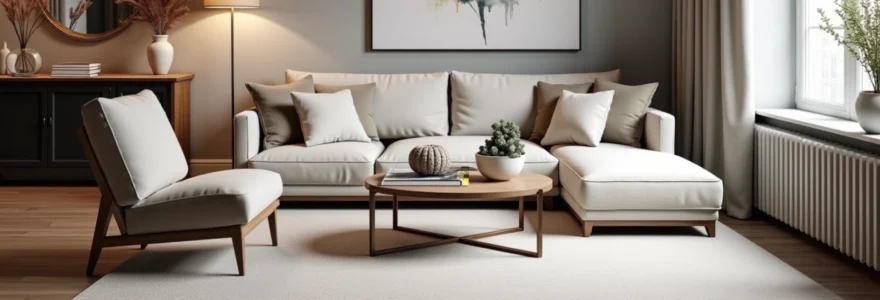
Transforming your living space doesn’t require a complete renovation or substantial financial investment. The strategic placement of carefully chosen decorative accent pieces can breathe new life into any room, creating visual interest and personality whilst maintaining functionality. These transformative elements serve as the finishing touches that elevate ordinary spaces into extraordinary environments, reflecting your unique style and enhancing the overall aesthetic appeal of your home.
Interior design professionals understand that accent pieces function as the punctuation marks in a well-composed room narrative. They provide opportunities to introduce colour, texture, and visual weight precisely where needed, creating focal points that guide the eye throughout the space. Whether you’re working with a neutral palette that requires energising elements or a bold scheme that needs subtle balancing touches, the right decorative accents can achieve your design objectives with remarkable efficiency.
The beauty of accent pieces lies in their versatility and adaptability. Unlike major furniture investments or permanent architectural changes, decorative elements can be easily updated, rearranged, or replaced as your tastes evolve or seasonal preferences shift. This flexibility makes them an ideal solution for renters, budget-conscious homeowners, and anyone seeking to experiment with new design directions without committing to permanent alterations.
Statement lighting solutions for contemporary interior design
Lighting serves as both a functional necessity and a powerful design tool, capable of dramatically altering the atmosphere and visual dynamics of any space. Contemporary interior design increasingly embraces lighting as sculptural elements that command attention even when not illuminated. The strategic incorporation of statement lighting pieces can transform mundane rooms into sophisticated environments that showcase your design sensibility.
Pendant light clustering techniques for visual impact
Clustering pendant lights creates visual drama and establishes focal points that draw the eye upward, making rooms appear more spacious and architecturally interesting. This technique works exceptionally well above kitchen islands, dining tables, or in living areas where you want to define specific zones within open-plan layouts. The key lies in selecting pendants with complementary shapes, sizes, or finishes that create cohesive groupings whilst maintaining individual character.
When implementing pendant clustering, consider varying the hanging heights to create dynamic visual rhythm. Stagger the heights by 15-30 centimetres to achieve optimal impact without creating visual chaos. Professional designers often recommend using odd numbers of pendants , as this arrangement feels more natural and visually pleasing than symmetrical even groupings. The spacing between each pendant should equal approximately one-third of the pendant’s diameter to ensure proper light distribution and visual balance.
Oversized floor lamp positioning in Open-Plan layouts
Oversized floor lamps function as architectural elements that help define spaces within open-plan environments whilst providing essential task and ambient lighting. These substantial pieces can anchor seating areas, create reading nooks, or establish visual boundaries between different functional zones. The scale of oversized lamps makes them particularly effective in rooms with high ceilings or expansive floor areas where smaller fixtures might appear insignificant.
Strategic positioning of large-scale floor lamps can guide traffic flow and create intimate conversation areas within larger spaces. Place them beside sofas to provide reading light whilst creating visual weight that balances other substantial furniture pieces. Arc floor lamps work particularly well for providing task lighting over seating areas without requiring ceiling installations, making them ideal for rental properties or spaces where electrical modifications aren’t feasible.
Brass and copper finish integration with existing hardware
The warm tones of brass and copper fixtures add richness and sophistication to contemporary interiors, particularly when thoughtfully integrated with existing hardware and finishes. These metals have experienced a resurgence in popularity due to their ability to complement both cool and warm colour palettes whilst adding visual warmth that stainless steel or chrome cannot achieve. The key to successful integration lies in distributing these warm metal tones throughout the space rather than concentrating them in a single area.
Consider updating cabinet hardware, light fixtures, and decorative accessories simultaneously to create cohesive design flow. Mixed metals can work beautifully when one finish dominates and others serve as accents. The 70/30 rule applies effectively here – use one metal finish for approximately 70% of the hardware and fixtures, with the remaining 30% featuring complementary finishes. This approach creates visual interest without appearing chaotic or unplanned.
LED strip installation behind floating shelves and mirrors
LED strip lighting provides sophisticated ambient illumination whilst highlighting architectural features and decorative displays. When installed behind floating shelves, these strips create beautiful uplighting effects that showcase books, artwork, and decorative objects whilst adding depth and dimension to wall displays. Similarly, backlighting mirrors creates a luxurious spa-like ambiance and provides flattering illumination for grooming tasks.
The installation process requires careful planning to ensure clean, professional results. Concealed LED strips should be positioned so the light source remains hidden whilst maximising the illumination effect. Choose LED strips with dimming capabilities to adjust the lighting intensity according to different times of day or activities. Warm white LEDs (2700K-3000K) create cosy atmospheres, whilst cooler temperatures (4000K-5000K) provide more energising illumination suitable for task-oriented activities.
Textile-based accent elements for textural enhancement
Textiles introduce softness, colour, and tactile interest to interior spaces whilst providing opportunities to incorporate patterns and textures that reflect seasonal preferences or changing design trends. These elements are among the most accessible and cost-effective ways to update room aesthetics, offering instant transformation potential without requiring significant time or financial investment. Strategic textile placement can visually warm cold spaces, add comfort to minimalist environments, and introduce personality to neutral colour schemes.
Throw pillow layering strategies using contrasting fabrics
Effective pillow layering creates visual depth and textural interest whilst providing comfortable support for seating arrangements. The key to successful pillow styling lies in combining different sizes, shapes, and textures whilst maintaining colour cohesion throughout the arrangement. Start with larger square or lumbar pillows as your foundation, then layer smaller decorative pillows in front to create dimensional groupings that invite touch and interaction.
Professional designers typically use the rule of odd numbers when arranging pillows, creating groupings of three or five for optimal visual impact. Mix smooth fabrics like silk or cotton with textured options such as bouclé, linen, or faux fur to create tactile contrast. Vary the pillow sizes within each grouping – for example, combine 50cm square pillows with 35cm decorative cushions and 30cm lumbar styles to achieve layered sophistication.
The strategic use of contrasting textures in textile arrangements can make the difference between a space that feels flat and one-dimensional versus one that invites interaction and creates visual intrigue.
Area rug sizing calculations for room proportions
Proper rug sizing significantly impacts room proportions and furniture arrangement success. Undersized rugs can make furniture appear to float awkwardly within the space, whilst oversized options may overwhelm smaller rooms or create maintenance challenges. Understanding the relationship between rug dimensions and room scale ensures your textile choices enhance rather than detract from the overall design composition.
For living room arrangements, the rug should accommodate at least the front legs of all seating pieces, creating a cohesive grouping that defines the conversation area. In dining rooms, ensure the rug extends 60-90 centimetres beyond the table edges to accommodate chairs when pulled out for seating. Bedroom rugs should extend at least 45 centimetres beyond the bed on three sides to create a comfortable walking surface and visually anchor the sleeping area within the room.
Window treatment hardware updates with statement brackets
Window treatment hardware serves both functional and decorative purposes, providing opportunities to introduce metallic finishes and architectural details that complement the overall design scheme. Statement brackets and finials can transform basic curtain installations into sophisticated window dressings that frame views whilst adding visual weight to wall compositions. These elements are particularly effective in rooms with minimal architectural detail, where they provide much-needed visual interest and refinement.
Consider the proportion relationship between bracket size and window dimensions when selecting hardware. Larger windows can accommodate more substantial brackets and finials, whilst smaller openings require more delicate proportions to avoid overwhelming the space. Extending curtain rods 15-25 centimetres beyond the window frame on each side creates the illusion of larger windows whilst allowing maximum light penetration when curtains are open.
Wall hanging installation using Gallery-Style picture ledges
Gallery-style picture ledges offer flexible display solutions that allow easy artwork rotation and styling adjustments without creating multiple nail holes in wall surfaces. These ledges provide platforms for layering artwork of various sizes whilst accommodating decorative objects and small plants that add dimensional interest to wall displays. The horizontal lines created by picture ledges can visually widen narrow walls and provide structured organisation for eclectic collections.
Install picture ledges at eye level (approximately 145-150 centimetres from floor to ledge top) for optimal viewing comfort. Create visual rhythm by spacing multiple ledges evenly, typically 40-60 centimetres apart vertically. Layer artwork by placing larger pieces at the back and smaller items in front , creating depth and allowing easy rearrangement as your collection evolves or seasonal preferences change.
Botanical and organic decorative components
Natural elements bring life, colour, and organic texture to interior spaces whilst providing air purification benefits and connecting occupants to the natural world. Botanical accents range from living plants and fresh flowers to preserved specimens and artificial alternatives that require minimal maintenance whilst delivering maximum visual impact. These organic components soften hard architectural lines, introduce seasonal variation, and create focal points that draw the eye whilst providing psychological benefits associated with biophilic design principles.
The strategic placement of botanical elements can guide visual flow throughout spaces whilst creating natural dividers between functional zones in open-plan layouts. Large floor plants make dramatic statements and anchor furniture groupings, whilst smaller specimens add delicate touches to shelving displays and tabletop arrangements. Varying the heights and scales of botanical elements creates dynamic compositions that feel naturally arranged rather than overly contrived or static.
Consider the light requirements and maintenance needs of living plants when selecting botanical accents for different room locations. High-light areas near windows can accommodate flowering plants and specimens that require bright conditions, whilst low-light corners are perfect for tolerant species like pothos, snake plants, or ZZ plants. Preserved moss walls, dried branches, and high-quality artificial specimens offer botanical appeal without watering responsibilities, making them ideal for frequently travelled individuals or challenging growing conditions.
Planters and containers provide additional design opportunities, allowing you to introduce complementary colours, textures, and materials that coordinate with existing décor elements. Ceramic planters in glazed finishes add sophistication and can introduce accent colours, whilst natural materials like woven baskets or wooden vessels enhance organic themes and complement natural design palettes. Grouping plants in odd numbers and varying container heights creates more visually appealing arrangements than single specimens or symmetrical pairings.
Sculptural and artistic focal point creation
Sculptural elements and artistic focal points transform functional spaces into personalised environments that reflect individual taste and cultural interests. These pieces serve as conversation starters and visual anchors that give rooms character and distinction beyond standard furniture arrangements. The selection and placement of sculptural accents requires consideration of scale, colour relationships, and thematic coherence to ensure they enhance rather than compete with existing design elements.
Abstract wall art grouping methodologies
Creating compelling wall art arrangements requires understanding visual balance, scale relationships, and colour harmonies that support the overall room aesthetic. Abstract pieces offer particular flexibility because their non-representational nature allows them to complement various design themes whilst providing colour and textural interest. The key lies in establishing consistent elements – whether colour, style, or framing – that unify diverse pieces into cohesive groupings.
Start wall gallery planning by arranging pieces on the floor before committing to nail placement. Maintain 5-10 centimetres spacing between frames for intimate groupings, or increase to 15-20 centimetres for more dramatic, gallery-style presentations. Consider the overall shape of your grouping – horizontal arrangements work well above sofas and console tables, whilst vertical compositions suit narrow wall spaces beside doorways or between windows.
The most successful wall art arrangements create visual dialogue between pieces whilst maintaining enough breathing space for each artwork to be appreciated individually.
Three-dimensional object display on console tables
Console table styling provides opportunities to create curated vignettes that showcase personal collections whilst adding functional storage and display space to rooms. Three-dimensional objects add height variation and tactile interest to flat surfaces, creating layered compositions that invite closer inspection. The most effective console displays follow design principles of balance, proportion, and colour harmony whilst incorporating items of personal significance.
Apply the rule of thirds when arranging console displays, dividing the surface into three sections and placing objects of varying heights in each zone. Include at least one tall element – such as a lamp, tall vase, or sculpture – to draw the eye upward and create vertical emphasis. Balance this with medium-height objects like books or decorative boxes, and finish with smaller items that provide colour accents or textural contrast.
Mirror arrangement techniques for light reflection optimisation
Strategic mirror placement multiplies natural light, creates illusions of expanded space, and provides opportunities to introduce decorative frames that complement existing design elements. Mirrors function as functional art pieces that can visually double room dimensions whilst reflecting beautiful views or interior vignettes. The positioning and sizing of mirrors significantly impacts their effectiveness in achieving desired lighting and spatial effects.
Position mirrors opposite or perpendicular to windows to maximise natural light reflection throughout the room. Avoid placing mirrors directly opposite each other, as this creates infinite reflections that can feel disorienting. Mirrors should be hung at eye level – approximately 150-160 centimetres to the centre of the mirror – for optimal functionality and visual comfort. Large mirrors make dramatic statements and work particularly well in smaller spaces where they create significant spatial expansion effects.
Ceramic and pottery selection based on room scale
Ceramic and pottery pieces provide opportunities to introduce handcrafted character, colour accents, and cultural references that personalise interior spaces. The scale relationship between ceramic pieces and room dimensions significantly impacts their visual effectiveness – oversized vessels make bold statements in spacious rooms, whilst delicate pieces provide subtle touches in intimate settings. Grouping ceramics of various sizes creates more dynamic displays than single pieces or matched sets.
Consider the colour relationships between ceramic pieces and existing room elements when making selections. Neutral ceramics in whites, grays, or earth tones complement virtually any colour scheme, whilst bold glazes can introduce accent colours or create focal points. Textural variations add visual interest – combine smooth glazed surfaces with rough, matte finishes, or incorporate pieces with raised patterns or carved details for tactile appeal.
Functional storage accessories with design integration
Storage accessories that combine functionality with aesthetic appeal solve practical organisational challenges whilst contributing to overall room design. These dual-purpose pieces eliminate clutter whilst adding visual interest through their materials, colours, and forms. The most effective storage accessories seamlessly integrate with existing décor elements, appearing intentionally chosen for their design merit rather than purely utilitarian purposes.
Woven baskets provide versatile storage solutions that introduce natural textures and organic shapes to interior spaces. Available in numerous materials including rattan, seagrass, and jute, these containers can hold everything from blankets and pillows to books and toys whilst adding warmth to modern interiors. Lidded baskets offer concealed storage options that maintain clean visual lines whilst providing easy access to frequently used items. Group baskets of varying sizes under console tables or beside seating areas for readily accessible storage that doubles as decorative accent pieces.
Decorative trays serve multiple organisational functions whilst creating platforms for styled arrangements on coffee tables, ottomans, and bedside tables. These pieces corral small items that might otherwise create visual clutter whilst providing opportunities to introduce metallic finishes, interesting textures, or accent colours. Choose tray sizes proportionate to the surface they’ll occupy – typically one-third to one-half the width of the table or surface for optimal visual balance.
Storage ottomans combine seating, footrest, and concealed storage functions in single pieces that can be easily moved throughout rooms as needs change. These versatile accessories work particularly well in smaller spaces where every piece must serve multiple purposes. Select ottoman heights that complement existing seating – typically matching or slightly lower than sofa seat height for optimal functionality. Upholstered options add softness and colour, whilst wooden or metal versions provide more structured architectural elements that can serve as occasional tables when topped with decorative trays.