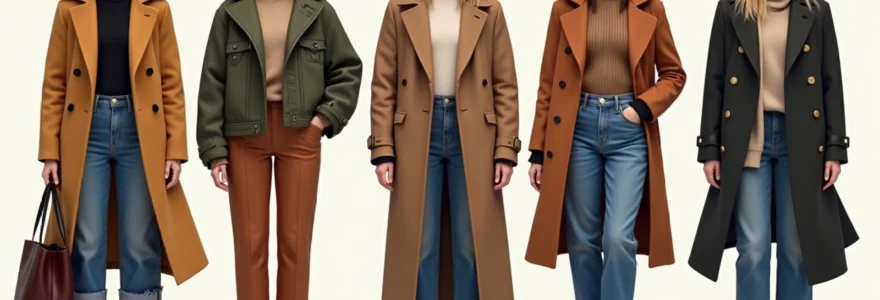
Mastering the art of layering transforms ordinary wardrobes into sophisticated style statements. This fundamental fashion technique allows you to create visually compelling outfits while adapting to changing temperatures and occasions throughout the day. Strategic layering goes beyond simply throwing on multiple garments; it requires understanding how different fabrics, textures, and proportions work together to create harmonious ensembles.
The modern approach to layering emphasises both functionality and aesthetics, enabling you to transition seamlessly from professional environments to casual settings. Whether you’re building a capsule wardrobe or seeking to maximise existing pieces, these advanced techniques will revolutionise your daily styling approach. The key lies in understanding foundational principles whilst experimenting with contemporary methods that reflect current fashion sensibilities.
Foundational layering principles for capsule wardrobe construction
Building effective layered outfits begins with understanding the hierarchical structure of garments and how they interact with your body’s natural lines. The foundation of successful layering rests on the principle of progressive weight distribution , where each subsequent layer increases in weight and structure whilst maintaining visual harmony.
Base layer selection using natural fibres and technical fabrics
Your base layer serves as the canvas upon which all other elements build. Cotton remains the gold standard for everyday wear, offering breathability and comfort against the skin. However, modern technical fabrics like modal and bamboo blends provide superior moisture-wicking properties whilst maintaining the soft hand-feel essential for all-day comfort.
Consider investing in high-quality base layers in neutral tones such as cream, soft grey, and classic white. These versatile foundations pair effortlessly with bolder statement pieces in your outer layers. Merino wool base layers excel during cooler months, naturally regulating temperature whilst remaining odour-resistant throughout extended wear.
Mid-layer integration with merino wool and cashmere blends
The mid-layer provides both insulation and style definition, acting as the primary visual element in many layered ensembles. Lightweight merino wool jumpers offer exceptional versatility, draping beautifully whilst providing warmth without bulk. Cashmere blends elevate casual outfits instantly, lending luxurious texture and sophisticated drape.
When selecting mid-layers, prioritise pieces with clean lines and minimal embellishment. Simple crew necks, fine-gauge cardigans, and structured knit blazers form the backbone of a well-curated layering wardrobe. The key is choosing pieces that complement rather than compete with your base and outer layers.
Outer shell coordination through texture and weight manipulation
Your outer layer completes the ensemble whilst providing the heaviest structural element. Consider how different jacket weights and textures create varying silhouettes. A lightweight trench coat offers crisp definition, whilst an unstructured wool coat provides softer, more relaxed lines.
Texture contrast between layers creates visual interest without overwhelming the eye. Pair smooth cotton shirting with textured wool knits, or combine sleek leather jackets with soft cashmere underneath. This interplay of surfaces adds depth and sophistication to even the simplest colour palettes.
Colour temperature theory for seamless layer transitions
Understanding colour temperature relationships ensures your layered pieces work harmoniously together. Cool undertones in blues, greys, and purples naturally complement each other, whilst warm tones like camel, rust, and cream create cohesive groupings. Tonal layering within the same colour family produces sophisticated, editorial-worthy results.
The 60-30-10 rule applies excellently to layered outfits: 60% neutral foundation, 30% supporting colour, and 10% accent detail. This might manifest as a cream base layer, camel mid-layer, and navy outer coat with cognac leather accessories providing the accent element.
Advanced proportional layering techniques for silhouette enhancement
Sophisticated layering requires understanding how different garment proportions interact to create flattering silhouettes. The relationship between fitted and flowing elements determines the overall impact of your ensemble, making proportional awareness crucial for achieving professional polish.
Oversized blazer styling with fitted underlayers
The oversized blazer has become a contemporary staple, offering versatility across casual and professional settings. When styling larger-proportioned jackets, balance is achieved through fitted underlayers that define your waistline and prevent a shapeless appearance. A sleek turtleneck or fitted button-down provides the necessary contrast to make oversized outerwear appear intentional rather than ill-fitting.
Roll the sleeves of oversized blazers to reveal fitted sleeves underneath, creating visual layers whilst improving proportional balance. This technique works particularly well with contrasting textures—perhaps a wool blazer over a silk blouse or cotton knit. The key is ensuring your underlayers complement rather than bulk up the overall silhouette.
Cropped jacket layering over longline tops and dresses
Cropped jackets and cardigans excel when layered over longer pieces, creating dynamic proportional relationships that elongate the torso whilst adding structural interest. A cropped denim jacket over a flowing midi dress transforms the piece from bohemian to contemporary, whilst a fitted blazer over a longline knit creates sophisticated office-appropriate styling.
Consider the hemline relationships carefully when employing this technique. The most flattering combinations typically feature a 2-4 inch difference between the cropped layer and the underlayer. This creates clean visual breaks whilst avoiding awkward length competition between garments.
Asymmetrical hemline coordination for visual interest
Modern layering embraces asymmetrical elements that add movement and contemporary edge to traditional combinations. Layer pieces with varying hemlines to create dynamic silhouettes—perhaps a high-low knit over straight-leg trousers or an asymmetrical cardigan over a classic shift dress.
Strategic asymmetry prevents layered outfits from appearing too structured or conservative. However, limit asymmetrical elements to one or two pieces per outfit to maintain visual coherence. The goal is intentional modernity, not chaotic styling.
Volume distribution methods using structured and fluid garments
Effective volume distribution prevents layered outfits from appearing overwhelming whilst creating interesting silhouettes. When one layer provides structure, balance it with flowing elements. A structured blazer pairs beautifully with fluid wide-leg trousers, whilst a voluminous coat requires fitted underlayers to maintain proportion.
Think of volume distribution as a conversation between different parts of your outfit. If your upper body features significant volume through oversized layers, balance this with more fitted bottoms. Conversely, wide-leg trousers or flowing skirts work best with more tailored tops and jackets.
Seasonal transitional layering strategies for british climate
The unpredictable British climate demands layering strategies that adapt seamlessly to temperature fluctuations throughout the day. Transitional layering focuses on removable elements that maintain style integrity whether worn together or separately. This approach proves particularly valuable during spring and autumn when weather conditions can shift dramatically within hours.
Lightweight scarves, removable waistcoats, and unbuttoned cardigans serve as flexible layering elements that can be adjusted throughout the day. A silk scarf can transform from a neck accent to a head covering during unexpected showers, whilst a cashmere cardigan transitions from shoulder coverage to full wear as temperatures drop. The key is selecting pieces that maintain their individual style impact when worn alone.
Consider the layering sequence for optimal adaptability. Base layers should function as standalone pieces when outer layers are removed, whilst mid-layers must complement both the base layer beneath and any outer garments above. This tripartite approach ensures your outfit remains polished regardless of which layers you ultimately retain throughout the day.
Convertible pieces maximise layering versatility without requiring extensive wardrobe expansion. Reversible jackets, wrap-style cardigans, and detachable collar shirts offer multiple styling options within single garments. These pieces prove particularly valuable for travel or capsule wardrobes where versatility is paramount.
The most successful transitional layering combines practical weather protection with maintained style integrity, ensuring you never sacrifice appearance for comfort.
Textural contrast mastery through fabric manipulation
Mastering textural contrast elevates layered outfits from simple practical combinations to sophisticated style statements. The interplay between different fabric weights, finishes, and surfaces creates visual depth that transforms even monochromatic ensembles into compelling looks. Understanding how textures interact allows you to create outfits with professional polish and contemporary edge.
Chunky knit integration with silk and satin finishes
The juxtaposition of chunky knits with smooth, lustrous fabrics creates compelling textural dialogue within layered outfits. A cable-knit jumper over a silk camisole provides tactile contrast whilst maintaining elegant sophistication. This combination works particularly well in neutral colour palettes where texture becomes the primary visual interest.
When layering chunky knits, ensure the underneath pieces have smooth finishes to prevent fabric catching or bunching. Silk, satin, and fine cotton lawns glide effortlessly beneath textured knits whilst adding subtle luxury to the overall ensemble. The contrast between matte knit surfaces and lustrous underlayers creates sophisticated depth without requiring bold colours or patterns.
Leather and suede accent layering techniques
Leather and suede elements add structure and contemporary edge to layered outfits whilst providing versatile seasonal adaptability. A leather waistcoat over flowing fabrics creates interesting proportional relationships, whilst suede jackets soften more structured underlayers. These materials excel as transitional pieces that bridge seasons and occasions.
Consider the weight distribution when incorporating leather elements. Heavy leather jackets require lightweight, flowing underlayers to prevent overwhelming bulk, whilst lightweight leather shirts can layer beautifully under heavier coats or blazers. Suede accessories like bags, shoes, or belts can echo leather layering elements without adding garment bulk.
Metallic and sequined element incorporation
Strategic metallic and sequined elements transform everyday layering into evening-appropriate styling. A subtle lurex knit under a blazer adds understated glamour to professional outfits, whilst sequined camisoles elevate casual cardigans for evening wear. The key is restraint—metallic elements should enhance rather than dominate layered ensembles.
Metallic threads in knitwear provide the most versatile approach to incorporating shine into layered outfits. These pieces read as sophisticated rather than costume-like, making them appropriate for various occasions. Layer metallic elements strategically where they’ll catch light naturally—around the neckline or as accent details rather than dominant surfaces.
Denim weight variation for Multi-Dimensional styling
Different denim weights offer varying layering possibilities, from lightweight chambray shirts to heavy-duty denim jackets. Mixing denim weights within the same outfit creates tonal sophistication whilst providing textural interest. A lightweight denim shirt under a structured denim jacket demonstrates advanced layering when executed in complementary washes.
Avoid overwhelming denim-on-denim combinations by incorporating contrasting textures between denim layers. A fine wool jumper between a denim shirt and jacket breaks up the denim conversation whilst maintaining casual sophistication. This technique prevents the Canadian tuxedo effect whilst embracing denim’s versatility.
Professional workplace layering systems for corporate environments
Corporate environments require layering strategies that maintain professional authority whilst providing practical adaptability throughout the workday. Office layering must balance aesthetic sophistication with functional requirements like temperature control in air-conditioned spaces and transition between indoor and outdoor environments. The most successful professional layering systems create polished appearances that remain appropriate whether presenting to clients or attending casual team meetings.
Foundation pieces for professional layering centre around structured blazers, tailored cardigans, and crisp shirting that maintain their shape throughout long days. Quality fabrics like wool crepe, structured cotton, and performance blends resist wrinkling whilst providing the clean lines essential for corporate credibility. Investment pieces in neutral colours form the backbone of professional layering systems, with accent colours and textures providing personality within appropriate bounds.
Consider the psychological impact of layered professional outfits on both colleagues and clients. Structured outer layers convey authority and competence, whilst softer underlayers suggest approachability and collaboration. The balance between these elements allows you to adjust your professional presence subtly by adding or removing layers throughout different meetings and interactions.
Temperature regulation proves crucial in office environments where air conditioning creates artificial climates. Lightweight cardigans, silk scarves, and structured blazers provide adjustable coverage that maintains professional appearance regardless of building temperature variations. The ability to add or remove layers while maintaining outfit integrity ensures consistent professional presentation throughout unpredictable office conditions.
The most effective professional layering anticipates both environmental challenges and social expectations, creating outfits that perform as well as they appear.
Statement accessory layering for evening and occasion wear
Evening and occasion wear layering requires careful balance between dramatic impact and sophisticated restraint. Statement accessories become integral layering elements that transform day pieces into evening-appropriate ensembles. The key lies in understanding how accessories interact with layered garments to create cohesive, elevated looks suitable for special occasions.
Jewellery layering provides the most immediate transformation for evening wear. Multiple necklace lengths create visual interest whilst complementing neckline variations in layered tops. Statement earrings balance voluminous outer layers, whilst delicate pieces suit more structured, minimalist layering approaches. Metallic consistency across jewellery elements unifies complex layered outfits whilst maintaining evening sophistication.
Scarves and wraps function as both practical and decorative layering elements for evening occasions. A silk scarf can transform a simple blazer into elegant evening wear when draped strategically, whilst pashmina wraps provide sophisticated coverage for sleeveless occasionwear. The texture and drape of these accessories must complement the underlying garment weights to avoid competing visual elements.
Consider how handbags interact with layered evening outfits. Structured evening bags complement tailored layering, whilst softer clutches pair better with flowing, draped elements. The scale of your bag should balance the overall volume of your layered ensemble—substantial layering requires equally substantial accessories to maintain proportional harmony.
Footwear selection becomes crucial when accessory layering creates substantial upper-body visual weight. Higher heels balance voluminous layered tops, whilst lower profiles suit more streamlined layering approaches. The key is ensuring your entire silhouette appears intentional and balanced, with accessories enhancing rather than overwhelming your carefully constructed layers.