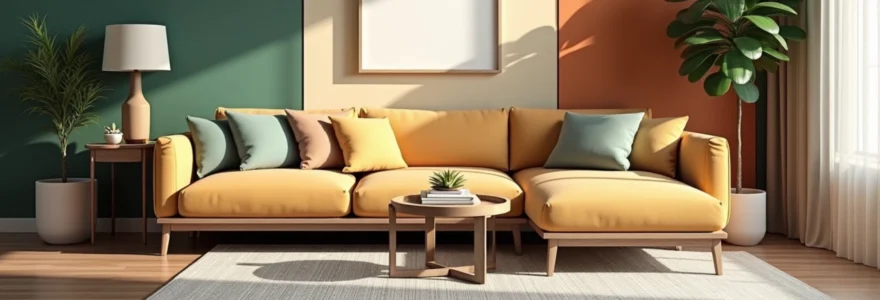
Creating a sophisticated living space that reflects both personality and professional design sensibilities requires understanding the fundamental principles that separate amateur decorating from expertly curated interiors. Modern homeowners increasingly recognise that successful interior design extends beyond simply purchasing beautiful furniture pieces or following trending colour schemes. The most impactful transformations result from implementing strategic design habits that address multiple sensory experiences whilst maintaining practical functionality.
Professional interior designers consistently employ specific methodologies that create lasting visual impact and enhanced livability. These approaches encompass everything from understanding colour psychology and lighting science to mastering spatial relationships and incorporating natural elements. By adopting these proven decorating habits, you can achieve the polished, cohesive aesthetic typically associated with high-end interior design projects, regardless of your budget or existing space constraints.
Strategic colour psychology implementation through accent wall techniques
Colour psychology forms the foundation of successful interior design, influencing mood, perceived space dimensions, and overall aesthetic harmony. Professional designers leverage specific colour combinations to create desired emotional responses whilst addressing practical considerations such as room size, natural light availability, and existing architectural features. The strategic implementation of accent walls represents one of the most effective methods for introducing colour psychology principles without overwhelming the space.
Accent walls function as visual anchors that draw attention to specific architectural features whilst creating depth and visual interest. Unlike complete room colour transformations, accent wall techniques allow for bold colour experimentation without committing to extensive repainting projects. This approach proves particularly valuable in rental properties or spaces requiring frequent aesthetic updates.
Monochromatic gradient applications using farrow & ball paint systems
Monochromatic colour schemes utilise varying tones and saturations within a single colour family to create sophisticated, cohesive aesthetics. Farrow & Ball’s extensive colour palette offers exceptional depth through traditional pigment formulations that respond beautifully to changing light conditions throughout the day. Their paint systems enable seamless gradient applications that transition from lighter tones near ceiling areas to deeper saturations at eye level.
Professional application techniques involve selecting three to five tones within your chosen colour family, with the lightest shade positioned above natural eye lines and progressively deeper tones toward floor level. This creates visual weight distribution that feels naturally balanced whilst maximising perceived ceiling height.
Complementary colour blocking with benjamin moore advanced formulations
Complementary colour blocking leverages opposing colours on the colour wheel to create dynamic visual tension and energy. Benjamin Moore’s advanced paint formulations provide exceptional colour saturation and durability, essential for successful colour blocking applications. This technique works particularly well in open-plan spaces where distinct zones require visual separation without physical barriers.
Effective colour blocking requires understanding proportion relationships, with the dominant colour occupying approximately 60-70% of the visual field and the complementary accent colour covering 20-30%. The remaining 10-20% should incorporate neutral transitional tones that prevent visual overwhelm whilst maintaining colour harmony.
Biophilic green integration using little greene’s natural pigment range
Biophilic design principles recognise the human need for connection with natural environments, making green colour integration particularly effective for creating calming, restorative spaces. Little Greene’s natural pigment range offers authentic green tones derived from traditional earth pigments, providing depth and complexity that synthetic alternatives cannot replicate.
Green colour psychology promotes relaxation, concentration, and emotional balance, making it ideal for bedrooms, home offices, and meditation spaces. The key to successful green integration involves selecting tones that complement existing natural light conditions and architectural features rather than competing with them.
Warm undertone maximisation through dulux heritage collection
Warm undertones create inviting, comfortable atmospheres that encourage relaxation and social interaction. Dulux Heritage Collection offers carefully curated warm colour palettes inspired by historical British interiors, providing authenticity and timeless appeal. These formulations contain subtle red, yellow, and orange undertones that enhance perceived warmth without appearing overly saturated.
Professional warm undertone application involves assessing existing lighting conditions and selecting colours that complement both natural and artificial light sources. North-facing rooms benefit from warmer colour selections to counteract cool natural light, whilst south-facing spaces can accommodate more neutral warm tones without appearing overwhelming.
Architectural lighting design principles for residential interiors
Lighting design represents the single most transformative element in residential interiors, capable of dramatically altering perceived space dimensions, colour accuracy, and overall ambiance. Professional lighting design extends beyond simple illumination to encompass mood creation, task facilitation, and architectural feature enhancement. Understanding the interplay between different lighting types enables you to create sophisticated, functional environments that adapt to various activities and times of day.
The layering principle forms the foundation of professional lighting design, incorporating ambient lighting for general illumination, task lighting for specific activities, and accent lighting for decorative or highlighting purposes. This multi-layered approach provides flexibility whilst ensuring adequate illumination for all space functions.
Professional lighting design extends beyond simple illumination to encompass mood creation, task facilitation, and architectural feature enhancement.
Layered illumination systems using philips hue smart technology
Smart lighting technology revolutionises traditional lighting approaches by offering unprecedented control over colour temperature, intensity, and timing. Philips Hue systems integrate seamlessly with existing electrical infrastructure whilst providing smartphone-controlled customisation options. These systems enable you to programme lighting scenes that automatically adjust throughout the day, supporting natural circadian rhythm patterns.
Effective layered illumination involves positioning multiple light sources at different heights and angles throughout the space. Ceiling-mounted ambient lighting provides general illumination, whilst table and floor lamps contribute task-specific lighting. Accent lighting highlights architectural features, artwork, or decorative elements using directional fixtures or LED strip installations.
Task lighting placement through artemide professional fixtures
Task lighting addresses specific functional requirements such as reading, food preparation, or detailed work activities. Artemide’s professional fixture range offers precision-engineered solutions that minimise glare whilst maximising illumination effectiveness. Proper task lighting placement prevents eye strain and shadows that interfere with activity performance.
Kitchen task lighting requires under-cabinet installations that illuminate work surfaces without creating shadows from overhead cabinets. Reading areas benefit from adjustable floor or table lamps positioned to direct light over the shoulder onto the reading material. Home office spaces require combination approaches with overhead lighting supplemented by desktop task fixtures.
Ambient lighting control via lutron caseta wireless protocols
Ambient lighting creates overall room illumination whilst establishing baseline comfort levels. Lutron Caseta wireless control systems enable seamless integration between multiple lighting sources, allowing coordinated dimming and scene control without extensive rewiring requirements. These systems support gradual lighting transitions that feel natural and comfortable.
Professional ambient lighting design involves calculating appropriate illumination levels for different room functions. Living areas require 10-20 foot-candles for comfortable conversation and relaxation, whilst kitchens need 30-40 foot-candles for safe food preparation activities. Bedrooms function optimally with 5-10 foot-candles for evening routines and relaxation.
Accent lighting implementation using IKEA TRÅDFRI LED solutions
Accent lighting creates visual interest whilst highlighting specific design elements or architectural features. IKEA TRÅDFRI LED solutions offer cost-effective smart lighting options that integrate with major home automation platforms. These systems enable you to create dramatic lighting effects without significant electrical modifications or professional installation requirements.
Effective accent lighting requires understanding light direction and intensity relationships. Uplighting creates dramatic ceiling illumination that enhances perceived room height, whilst downlighting provides focused highlighting for specific objects or areas. Wall washing techniques use directional fixtures to create smooth, even illumination across textured surfaces or artwork displays.
Circadian rhythm enhancement through nanoleaf dynamic panels
Circadian rhythm support represents an emerging frontier in residential lighting design, recognising the impact of light exposure on sleep patterns and overall wellbeing. Nanoleaf Dynamic Panels offer programmable colour temperature adjustments that mirror natural daylight patterns, supporting healthy sleep-wake cycles whilst creating stunning decorative displays.
Professional circadian lighting implementation involves programming cooler colour temperatures (5000-6500K) during morning and midday periods to promote alertness and energy, whilst gradually transitioning to warmer temperatures (2700-3000K) during evening hours to encourage relaxation and prepare for sleep. This approach requires coordinating multiple lighting sources throughout the home for maximum effectiveness.
Textile layering methodologies for enhanced visual depth
Textile layering creates sophisticated visual depth whilst introducing tactile interest and acoustic benefits to residential spaces. Professional designers understand that successful textile integration extends beyond colour coordination to encompass texture variation, pattern scaling, and functional considerations. The strategic layering of different textile types creates rich, inviting environments that engage multiple senses whilst maintaining visual coherence.
Effective textile layering follows the principle of textural contrast , combining smooth and rough surfaces, light and heavy weights, and structured and flowing forms. This approach prevents monotonous visual experiences whilst creating opportunities for seasonal updates and personalisation. Professional textile selection considers durability, maintenance requirements, and lifestyle compatibility alongside aesthetic appeal.
Pattern mixing requires understanding scale relationships and colour theory to prevent visual chaos. Large-scale patterns work effectively as anchor elements, with medium and small-scale patterns providing supporting visual interest. Successful pattern combinations typically share common colour elements whilst varying in scale and motif style. Geometric patterns pair well with organic forms, whilst traditional motifs complement contemporary abstract designs when colour palettes remain coordinated.
Seasonal textile rotation enables you to refresh room aesthetics without major decorating investments. Summer arrangements favour lighter weights, cooler colours, and breathable natural fibres such as linen and cotton. Winter layering incorporates heavier textures, warmer colours, and insulating materials including wool, cashmere, and faux fur. This rotation approach maintains year-round visual interest whilst addressing comfort requirements.
Quality textile investment pays dividends in longevity and aesthetic impact. Natural fibres typically age more gracefully than synthetic alternatives whilst providing superior tactile experiences. Professional-grade textiles resist fading, pilling, and premature wear that compromise long-term aesthetic success. Consider textile investment priorities based on usage frequency and visibility within your living space.
Spatial flow optimisation through furniture arrangement geometry
Furniture arrangement geometry significantly impacts both functional flow and aesthetic balance within residential spaces. Professional interior designers apply mathematical principles and ergonomic considerations to create arrangements that feel natural and comfortable whilst maximising space efficiency. Understanding these geometric relationships enables you to transform awkward layouts into sophisticated, highly functional environments.
The golden ratio (1.618:1) appears throughout nature and classical architecture, providing a mathematical foundation for pleasing proportional relationships. This principle applies to furniture grouping, room division, and decorative element positioning. Implementing golden ratio proportions creates subconscious comfort and visual satisfaction that distinguishes professional-quality arrangements from amateur attempts.
Traffic flow patterns determine furniture placement success more than aesthetic preferences alone. Primary circulation routes require 36-inch minimum clearances for comfortable navigation, whilst secondary pathways function with 24-inch clearances. Diagonal furniture arrangements often provide superior flow compared to parallel wall placements, creating dynamic visual interest whilst improving space efficiency.
Conversation groupings follow specific distance requirements for comfortable social interaction. Seating arrangements work optimally when positioned 4-8 feet apart, enabling easy conversation without requiring raised voices or awkward leaning. Coffee table placement requires 14-18 inch clearances from seating edges, providing convenient access whilst preventing circulation impediments.
Scale relationships prevent furniture arrangements from appearing cramped or overwhelming within their architectural context. Large rooms require substantial furniture pieces or groupings to feel proportionate and comfortable. Conversely, smaller spaces benefit from carefully selected pieces that provide necessary function without visual overwhelm. Professional scale assessment considers ceiling height, window proportions, and architectural detailing alongside floor area measurements.
Focal point establishment creates visual hierarchy and prevents scattered, unfocused arrangements. Natural focal points include fireplaces, large windows, or significant artwork. Rooms lacking architectural focal points benefit from created alternatives such as gallery walls, statement furniture pieces, or dramatic lighting installations. Successful arrangements support primary focal points whilst providing secondary visual interest that maintains engagement without competition.
Biophilic design integration using living plant ecosystems
Biophilic design integration acknowledges the profound human need for connection with natural environments, creating healthier, more satisfying living spaces through strategic incorporation of living plant ecosystems. Research demonstrates that indoor plants significantly improve air quality, reduce stress levels, and enhance cognitive performance whilst providing dynamic visual interest that changes seasonally. Professional biophilic integration extends beyond simple plant placement to encompass ecosystem thinking and environmental optimisation.
Air purification benefits vary significantly between plant species, with some varieties removing specific toxins more effectively than others. NASA’s Clean Air Study identified spider plants, peace lilies, and snake plants as particularly effective air purifiers, removing common household pollutants including formaldehyde, benzene, and trichloroethylene. Strategic plant selection based on air purification capabilities enhances health benefits whilst supporting aesthetic goals.
Lighting requirements determine plant placement success and long-term viability. South-facing windows provide intense, direct light suitable for succulents and flowering plants, whilst north-facing exposures offer gentle, indirect light preferred by tropical foliage varieties. East and west-facing windows provide moderate light conditions suitable for most common houseplants. Understanding these relationships prevents costly plant failures and maintenance frustrations.
Research demonstrates that indoor plants significantly improve air quality, reduce stress levels, and enhance cognitive performance whilst providing dynamic visual interest that changes seasonally.
Humidity management becomes crucial in heated and air-conditioned environments that often lack adequate moisture for tropical plant varieties. Grouping plants together creates beneficial microenvironments with enhanced humidity levels, whilst pebble trays and room humidifiers provide additional moisture support. Professional plant care considers seasonal humidity variations and adjusts watering schedules accordingly.
Container selection impacts both plant health and aesthetic integration within existing décor schemes. Drainage considerations remain paramount, with most houseplants requiring containers that prevent water logging whilst maintaining appropriate moisture levels. Decorative containers without drainage holes require careful watering management or nested drainage solutions to prevent root rot and plant failure.
Vertical garden installations maximise plant integration in space-constrained environments whilst creating dramatic focal points that rival traditional artwork. Living walls require irrigation systems and appropriate plant selections that tolerate vertical growing conditions. Modular systems enable easier maintenance and plant replacement whilst providing design flexibility for seasonal changes and aesthetic updates.
Artisanal accessory curation for personalised interior storytelling
Artisanal accessory curation transforms generic living spaces into personalised environments that reflect individual histories, interests, and aesthetic preferences. Professional interior designers understand that accessories function as the final layer that brings rooms to life, providing opportunities for self-expression whilst maintaining overall design coherence. Successful accessory curation requires balancing personal significance with aesthetic contribution and avoiding common pitfalls that create cluttered, unfocused results.
The 60-30-10 rule provides professional guidance for accessory colour distribution within established room palettes. Sixty percent of accessories should reflect dominant room colours, thirty percent should coordinate with secondary accent colours, and ten percent should provide bold contrast elements that create visual excitement. This formula ensures accessory integration whilst preventing colour chaos that undermines overall design success.
Scale variation creates dynamic visual interest whilst preventing monotonous displays that lack engagement. Professional styling incorporates accessories of varying heights, widths, and visual weights within groupings. Large statement pieces anchor arrangements, medium-sized accessories provide transitional elements, and small details add finishing touches. This varied approach mimics natural growth patterns that feel comfortable and familiar.
Negative space management prevents overcrowded displays that overwhelm rather than enhance room aesthetics. Professional accessory placement typically covers no more than two-thirds of available surface space, allowing negative space to provide visual rest and highlight selected pieces effectively. This restraint requires careful selection but creates more impactful results than comprehensive coverage approaches.
Seasonal rotation maintains year-round visual interest whilst accommodating changing moods and celebrations. Professional rotation strategies involve storing alternate accessory collections that reflect seasonal colour palettes and themes. Spring arrangements might emphasise fresh colours and natural elements, whilst winter collections focus on richer tones and cosy textures. This rotation prevents decorative staleness whilst maximising accessory investment value.
Personal significance elevates accessory curation beyond mere decoration to meaningful environmental storytelling. Items with personal history, travel memories, or emotional connections create authentic environments that feel genuinely inhabited rather than professionally staged. Balancing personal pieces with aesthetically selected accessories requires skill but produces uniquely satisfying results that support wellbeing and self-expression. Quality handcrafted pieces often provide both aesthetic appeal and personal significance, making them particularly valuable for successful interior curation that stands the test of time.