Why WPC Panels Outperform Traditional Wood Outdoors
The performance gap between WPC panels and natural timber becomes stark within the first British winter. Traditional hardwood decking requires annual treatment with penetrative oils or sealants—often reapplied after just months as an initial finish, then maintained at least yearly thereafter, according to comparative maintenance analysis from Eva-Last. Even with this demanding regime, timber deck lifespan rarely exceeds ten years.
Project snapshot: Victorian terrace transformation
A couple in their 40s with a North London Victorian terrace faced annual cedar decking treatment that still showed significant weathering. Their 2024 rear garden transformation replaced everything with co-extruded WPC cladding and matching deck boards. After a full weather cycle including heavy autumn rain and winter frost, the surface maintains consistent appearance with zero maintenance intervention. The splinter-free finish now sees year-round use for family gatherings.
High-quality WPC decking can last 20–30 years, with most suppliers offering 10–25 year warranties depending on product line, according to Supereco’s durability data. That changes everything. No more spring weekends sacrificed to restoration projects.
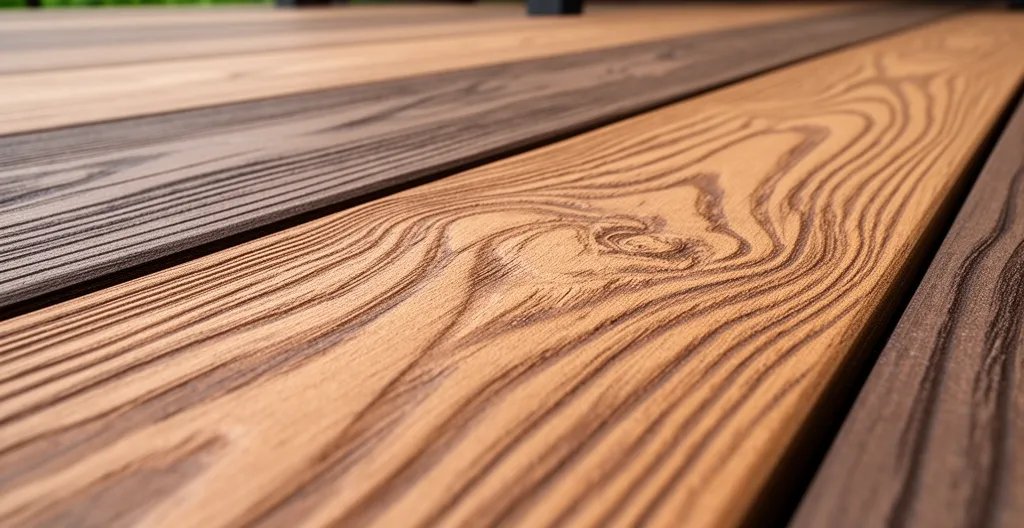
- 20-30 year lifespan versus under 10 years for treated timber
- Zero annual treatment requirements—occasional cleaning only
- Splinter-free surface safe for bare feet and children
- Fade-resistant and weatherproof in British conditions
- Consistent appearance without warping or cupping
- Higher upfront cost than softwood alternatives
- Cannot be sanded or refinished if deeply scratched
- May not suit heritage properties requiring authentic materials
- Surface temperature rises faster in direct summer sun
My honest assessment: the upfront investment pays back within three to four years when you factor in annual treatment products, tools, and—most valuably—your time. Worth it.
Styling Your Outdoor Space with WPC: Design Ideas That Work
The assumption that composite materials limit design creativity deserves challenging. Modern WPC cladding offers more styling flexibility than traditional timber, not less. Contemporary co-extrusion technology creates surface textures virtually indistinguishable from oak, teak, or cedar while providing colour consistency impossible with natural wood.
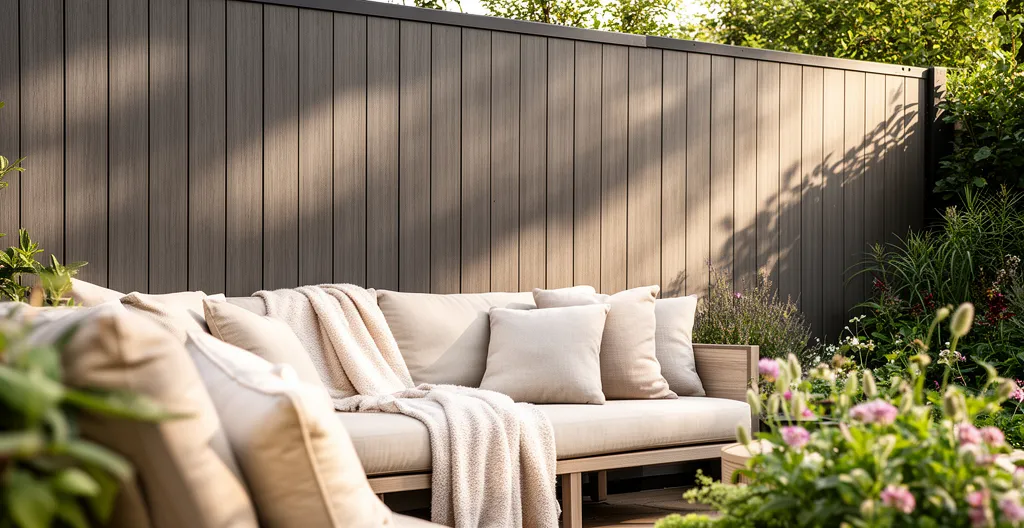
WPC styling applications that work consistently
- Horizontal deck boards paired with vertical feature cladding for visual depth
- Charcoal grey tones creating seamless flow with contemporary architecture
- Warm walnut finishes softening modern garden rooms and studios
- Mixed-width boards adding visual interest to large terrace areas
- Matching fascia boards concealing subframe for clean edge finishing
What works consistently in practice: treating WPC as an architectural element rather than mere flooring. Vertical applications—privacy screens, raised bed surrounds, outdoor kitchen cladding—extend visual warmth throughout the garden while maintaining that maintenance-free advantage. For broader inspiration on integrating different textures, exploring natural materials for outdoor living offers complementary approaches.
In my experience with UK outdoor renovations, homeowners often focus exclusively on WPC colour matching while overlooking texture and grain direction. This frequently creates jarring visual contrasts with natural garden elements—stone walls, established planting, existing brickwork. The pattern may differ based on regional design traditions and existing landscaping choices. Always order physical samples before committing.
Design tip: Run deck boards perpendicular to your main viewing angle from indoors. This draws the eye outward and makes narrow gardens appear wider. Cladding grain should typically run vertically on feature walls for a more naturalistic timber effect.
Choosing the Right WPC Panels for Your Project
The question most buyers get wrong first: focusing on price before performance specifications. A £15 per metre board performing identically to a £25 option would be remarkable. Reality differs. The gap reflects genuine engineering differences affecting how your outdoor space looks and functions for the next two decades.
Co-extruded boards feature a protective polymer cap layer bonded to the core, delivering superior fade resistance and stain protection compared to single-extrusion alternatives. Worth the premium? Absolutely for south-facing spaces or high-traffic entertaining areas.
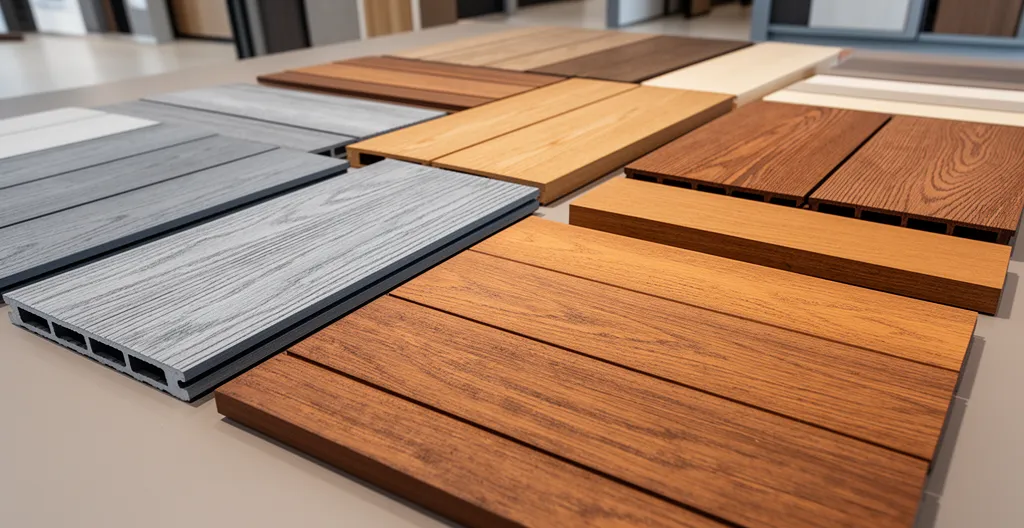
- Confirm warranty terms—does it cover fade resistance and structural integrity separately?
- Request physical samples in your actual garden lighting conditions
- Verify recycled content percentage if sustainability matters to your project
- Check subframe compatibility with your existing structure or planned installation
- Ask about hidden fixing systems versus face-screwed options
Sustainable composites represent a genuine environmental consideration. WPC produced from secondary materials offers both ecological and technical advantages, with quality products containing more than 50% wood content from sustainably managed forests, as confirmed by environmental assessment from ScienceDirect. Ask suppliers for specific recycled content percentages.
When WPC might not suit your project: Listed buildings or conservation areas may require authentic timber for planning compliance. If your budget sits firmly at the lowest end, basic pressure-treated softwood might serve better initially than compromising on WPC quality. Properties with heavy tree coverage dropping sap and debris benefit from solid rather than hollow-core boards.
- Design consultation and material selection with supplier
- Sample ordering and colour confirmation in situ
- Material delivery and subframe preparation
- Panel installation and finishing touches
This timeline reflects standard UK residential garden projects. Complexity varies. Simple deck replacements compress the schedule; full outdoor room transformations extend it. For guidance on creating a comfortable focal point within your new space, design tips for your outdoor lounge provides practical next steps.
The real question now: which matters more to you—upfront savings or two decades of maintenance-free weekends? Your answer determines the right product tier. Choose accordingly.