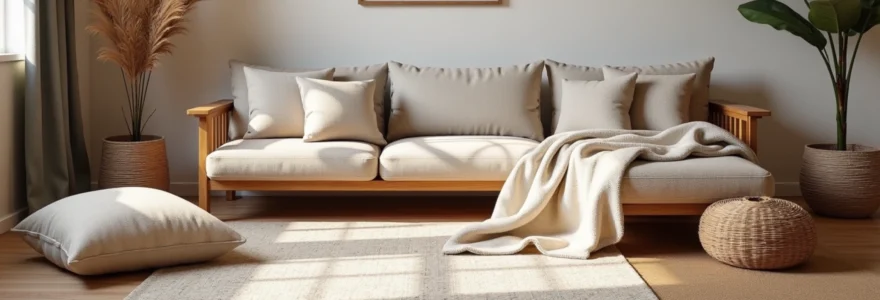
The art of creating harmonious interior spaces lies in the thoughtful combination of textures, colours, and patterns. When it comes to achieving a sophisticated yet relaxed aesthetic, few pairings work as effectively as cushions styled with foutas—the traditional Turkish towels that have transcended their bathroom origins to become versatile design elements. These lightweight, quick-drying textiles bring Mediterranean charm and bohemian elegance to any living space, whilst their distinctive weave and natural fibres complement the structured comfort of cushions beautifully. Understanding how to orchestrate these elements creates opportunities for layered sophistication that feels both intentional and effortlessly chic.
The growing popularity of fouta textiles in contemporary interior design reflects a broader movement towards natural materials and artisanal craftsmanship. Their unique properties—from absorbency to drape quality—make them ideal for creating textural contrast when paired with various cushion types. Whether you’re aiming for a coastal retreat atmosphere or adding Mediterranean flair to an urban setting, mastering the interplay between foutas and cushions opens up endless possibilities for seasonal adaptability and personal expression.
Understanding fouta textile properties for interior design applications
Before diving into styling techniques, it’s essential to understand what makes foutas unique in the textile landscape. These traditional Turkish towels, also known as hammam towels, originated in the bathhouses of the Ottoman Empire and have evolved into multifunctional design elements prized for their versatility and aesthetic appeal. Their flat-weave construction creates a distinctive texture that differs significantly from terry cloth or other conventional towelling materials, making them particularly suitable for decorative applications beyond their original purpose.
Turkish cotton weave characteristics and durability factors
The foundation of any quality fouta lies in its Turkish cotton construction, which typically features long-staple fibres woven in a flat, tight pattern. This weaving technique creates a fabric that’s simultaneously lightweight and durable, with excellent drape characteristics that make it ideal for layering with cushions. The absence of loops, unlike traditional terry towels, means foutas develop a softer hand-feel with each wash whilst maintaining their structural integrity over time.
Turkish cotton’s superior length and strength contribute to the fouta’s longevity, with high-quality pieces often lasting decades when properly cared for. The weave density affects both the textile’s absorbency and its visual weight in a room—denser weaves create more substantial presence whilst lighter weaves offer ethereal, flowing qualities that complement minimalist design approaches. When selecting foutas for cushion styling, consider how the weave weight will interact with your existing soft furnishings to achieve the desired visual balance.
Colour fastness and pattern retention in hammam textiles
One of the most important considerations when incorporating foutas into long-term design schemes is their colour stability. Traditional dyeing methods used in authentic fouta production often employ natural or high-quality synthetic dyes that resist fading, ensuring your colour coordination remains consistent over time. However, the quality can vary significantly between manufacturers, with some mass-produced alternatives showing colour degradation after minimal exposure to sunlight or repeated washing.
Pattern retention is equally crucial, particularly with striped foutas that rely on crisp, defined lines for their visual impact. The best foutas maintain their pattern integrity through multiple wash cycles, with colours remaining vibrant and borders staying sharp. When planning seasonal styling rotations , this durability becomes particularly valuable, as you can confidently store and rotate pieces without worrying about deterioration affecting your overall design scheme.
Weight classifications: lightweight vs Medium-Weight foutas
Foutas are typically classified into weight categories that directly impact their styling applications. Lightweight foutas, usually weighing between 200-300 grams per square metre, offer maximum drape and flow, making them ideal for casual, effortless styling with cushions. These work particularly well in warm climates or summer styling schemes where airiness and movement are desired qualities.
Medium-weight foutas, ranging from 300-450 grams per square metre, provide more structure and presence whilst still maintaining the characteristic flat-weave flexibility. These heavier versions create more defined silhouettes when draped and offer better coverage when used as throws over seating arrangements. The weight classification you choose should align with both your aesthetic goals and practical requirements—lighter weights for delicate, layered looks, heavier weights for statement pieces and cooler climate comfort.
Absorbency rates and Moisture-Wicking performance
Despite their decorative applications, foutas retain excellent functional properties that can influence their interior design use. Their quick-drying nature and moisture-wicking capabilities make them particularly suitable for humid environments or spaces where functionality matters alongside aesthetics. This becomes relevant when styling outdoor seating areas or humid climates where traditional fabrics might develop moisture-related issues.
The absorbency rate also affects how foutas interact with other textiles in layered arrangements. Unlike synthetic materials that can create static or uncomfortable combinations, foutas’ natural breathability ensures comfortable contact with both skin and other fabrics. This property makes them excellent intermediary layers between structured cushions and loose throws, creating comfortable transition zones in complex textile arrangements.
Colour theory fundamentals for Fouta-Cushion coordination
Successful fouta-cushion styling relies heavily on understanding colour relationships and how different hues interact within a space. The beauty of foutas lies partly in their traditional colour palettes, which often draw from Mediterranean and North African influences—think deep indigos, warm terracottas, sage greens, and crisp whites with accent stripes. These colours have been refined over centuries to work harmoniously together, providing a reliable foundation for contemporary colour schemes.
When approaching colour coordination, consider the psychological impact of different combinations. Cooler palettes featuring blues and greens create calming, retreat-like atmospheres perfect for bedrooms and quiet living spaces, whilst warmer combinations using oranges, reds, and yellows generate energy and sociability ideal for entertainment areas. The key lies in understanding how fouta colours can either harmonise with or provide deliberate contrast to your existing cushion collection, creating visual interest without overwhelming the space.
Monochromatic schemes using striped fouta patterns
Monochromatic schemes offer perhaps the most sophisticated approach to fouta-cushion coordination, utilising different shades and tones of a single colour family to create depth and interest. Striped foutas work particularly well in these schemes because their pattern variations provide tonal diversity within the chosen colour range. For instance, a navy and white striped fouta can anchor a scheme featuring cushions in various blue tones—from powder blue to midnight navy—creating layers of visual depth without colour confusion.
The success of monochromatic schemes depends on varying the intensity and saturation of your chosen colour whilst maintaining enough contrast to prevent the arrangement from appearing flat. Introduce texture variations through different cushion fabrics—perhaps pairing a smooth linen cushion with a nubby bouclé piece—whilst the fouta provides pattern interest through its stripes. This approach works exceptionally well in minimalist or Scandinavian-inspired interiors where restraint and sophistication are paramount values.
Complementary colour pairing with Solid-Tone cushions
Complementary colour schemes, utilising colours opposite each other on the colour wheel, create vibrant, energetic combinations that can transform neutral spaces. When working with foutas featuring complementary stripes—such as orange and blue or red and green—pair them with solid-tone cushions that pick up one of these colours whilst introducing textural variety. This approach prevents the complementary relationship from becoming overwhelming whilst ensuring the fouta remains the focal point of the arrangement.
The intensity of complementary pairings can be modulated through the proportion of each colour used. A predominantly white fouta with thin coral stripes pairs beautifully with deep teal cushions, creating a sophisticated take on the orange-blue complementary relationship. This technique allows you to incorporate bold colour relationships whilst maintaining the refined aesthetic essential for successful interior design. Consider how lighting affects these relationships throughout the day, as natural and artificial light can significantly alter the perception of complementary colour combinations.
Analogous colour harmonies in mediterranean design aesthetics
Analogous colour schemes, using colours adjacent to each other on the colour wheel, create naturally harmonious combinations that reflect the Mediterranean origins of fouta textiles. These schemes might feature blues flowing into greens, or warm yellows transitioning through oranges to deep terracottas. The inherent harmony of analogous colours makes them particularly forgiving for novice decorators whilst still offering sophisticated results when executed thoughtfully.
Mediterranean design aesthetics often employ analogous schemes to reflect the natural colour progressions found in coastal and rural landscapes. A fouta featuring sage green and olive stripes might be paired with cushions in seafoam green and warm grey, creating a scheme reminiscent of Mediterranean olive groves meeting the sea. These natural colour progressions feel inherently comfortable and timeless, making them excellent choices for long-term design schemes that won’t feel dated as trends evolve.
Neutral base integration with accent fouta elements
Building around a neutral foundation offers maximum flexibility for seasonal changes and evolving tastes. When using foutas as accent elements within predominantly neutral schemes, their patterns and colours can provide the personality and visual interest that pure neutrals sometimes lack. A neutral base of cream, beige, or grey cushions creates a calm backdrop that allows carefully chosen foutas to shine as artistic focal points.
The beauty of this approach lies in its adaptability—you can easily switch foutas seasonally or as your preferences change without requiring wholesale furniture or major cushion replacements. A neutral scheme might feature natural linen cushions paired with a vibrant indigo and white fouta in summer, then transition to the same cushions with a warm rust and cream fouta for autumn. This strategic flexibility makes neutral-based schemes particularly practical for rental properties or budget-conscious decorators who want maximum impact from minimal investment.
Layering techniques for textural depth and visual interest
Mastering the art of layering foutas with cushions requires understanding how different textures interact to create visual and tactile depth. The flat-weave nature of foutas provides an excellent counterpoint to the three-dimensional qualities of plump cushions, creating pleasing contrast that adds sophistication to seating arrangements. Successful layering isn’t simply about piling textiles together—it requires thoughtful consideration of how each layer contributes to the overall composition whilst maintaining functionality and comfort.
The key to effective layering lies in creating what designers call “textural conversations”—deliberate contrasts and harmonies between different surface qualities that invite both visual and physical exploration. A chunky knit cushion gains additional interest when paired with the smooth, flat surface of a fouta, whilst the fouta itself benefits from the structural support and softness the cushion provides. Think of layering as creating a textile symphony where each element contributes its unique voice to the overall harmony.
Consider the practical aspects of your layering decisions as well. Foutas’ easy-care nature makes them ideal as top layers that can be easily removed for washing or seasonal changes, whilst more structured cushions remain as the permanent foundation. This practical consideration becomes particularly important in high-use areas where regular maintenance is necessary. The layering approach should enhance both the aesthetic and functional aspects of your seating arrangements, creating spaces that are as comfortable as they are beautiful.
Successful textural layering also involves understanding how different materials behave in various lighting conditions. Foutas’ flat weave tends to absorb light evenly, creating subtle, sophisticated shadows that complement the more dramatic light and shadow play created by textured cushions. This interaction becomes particularly important in rooms with strong directional lighting, where the interplay between flat and textured surfaces can create dynamic visual interest throughout the day.
The drape quality of foutas offers unique opportunities for creating organic, flowing lines that soften the geometric precision of most cushion arrangements. Unlike structured throws or blankets, foutas fall naturally into gentle curves and folds that feel effortless rather than contrived. This natural drape quality can be used to create visual bridges between different seating elements or to introduce movement and flow into otherwise static arrangements. Experiment with different folding and draping techniques to discover how the same fouta can create completely different moods depending on how it’s arranged.
The most successful textile combinations feel inevitable rather than forced, as if the materials naturally belong together despite their different origins and characteristics.
Temperature considerations also play a role in effective layering strategies. Foutas’ breathability makes them excellent summer layers that won’t create uncomfortable heat buildup, whilst their cotton content provides sufficient warmth for transitional seasons. This thermal adaptability allows you to maintain consistent aesthetic schemes across different seasons whilst ensuring year-round comfort. Consider how your layering choices will perform in your specific climate and adjust accordingly.
Scale and proportion guidelines for mixed textile arrangements
Creating visually balanced arrangements with foutas and cushions requires careful attention to scale and proportion relationships. The human eye naturally seeks harmony in dimensional relationships, and successful textile arrangements respect these visual preferences whilst creating enough variation to maintain interest. Understanding these principles helps prevent common mistakes such as overwhelming small spaces with oversized textiles or creating arrangements that feel insubstantial relative to their furniture foundations.
The standard fouta size—typically measuring between 90cm x 180cm to 100cm x 200cm—works well with most sofa and chair proportions, but the way you use this dimension affects the overall visual impact. A fouta draped lengthwise over a three-seater sofa creates horizontal emphasis that can make the furniture appear longer and lower, whilst the same fouta folded and arranged as a lap throw emphasises cosiness and intimacy. These dimensional considerations become crucial when working with different room scales and furniture proportions.
Cushion sizing should complement rather than compete with fouta proportions. Standard square cushions measuring 45cm x 45cm or 50cm x 50cm typically work well with most fouta arrangements, providing sufficient visual weight without overwhelming the textile’s natural flow. However, rooms with larger-scale furniture might benefit from oversized cushions measuring 60cm x 60cm or rectangular pillows that echo the fouta’s linear qualities. The key lies in maintaining proportional relationships that feel comfortable to the human eye.
Consider the cumulative visual weight of your arrangements as well. Multiple small elements can create visual chaos if not carefully organised, whilst too few large elements might feel stark or insufficient. A useful guideline involves the “rule of thirds” principle—arranging elements so they occupy roughly one-third, one-third, and one-third of the visual space, creating natural rhythm and flow. This might translate to one large cushion, one medium fouta arrangement, and one smaller accent pillow, for example.
Negative space plays an equally important role in successful scale relationships. The areas between and around your textile arrangements need sufficient breathing room to prevent the composition from feeling cluttered or overwhelming. Foutas’ lightweight visual presence makes them particularly effective for filling these transitional spaces without adding excessive visual weight. Think of negative space as the silence between musical notes—essential for allowing the other elements to shine and be properly appreciated.
Vertical and horizontal emphasis can be manipulated through careful scale choices to complement your room’s architectural features. Rooms with high ceilings might benefit from vertically arranged foutas that draw the eye upward, whilst long, low spaces work well with horizontally emphasised arrangements that enhance the room’s natural proportions. These architectural considerations help ensure your textile choices enhance rather than fight against your space’s inherent characteristics.
Successful proportion in textile arrangements feels effortless because it works with, rather than against, our natural visual preferences and spatial perceptions.
The viewing distance from your arrangements affects perceived scale as well. Textiles arranged for close viewing—such as reading nooks or intimate seating areas—can support more intricate patterns and smaller-scale details that would be lost in larger spaces. Conversely, arrangements intended to be seen from across a room need sufficient visual impact and simplified compositions to read clearly at distance. Consider your primary viewing angles when making scale and proportion decisions.
Seasonal styling adaptations using Fouta-Cushion combinations
The beauty of fouta-cushion styling lies in its inherent adaptability to seasonal changes and evolving aesthetic preferences. Unlike major furniture pieces that represent significant investments and long-term commitments, textile combinations can be easily refreshed to reflect changing seasons, personal growth, or simply the desire for visual variety. This flexibility makes fouta-cushion styling particularly appealing for those who enjoy regularly updating their living spaces without substantial expense or effort.
Spring styling often benefits from lighter, more optimistic colour combinations that reflect the season’s renewal and growth themes. Fresh green and white striped foutas paired with cream or soft yellow cushions create schemes reminiscent of new growth and increasing daylight. The lightweight nature of foutas makes them particularly appropriate for spring’s transitional weather, providing just enough warmth during cool evenings whilst remaining comfortable as temperatures rise. Consider incorporating floral-inspired patterns in subtle ways—perhaps through embroidered cushions paired with simple striped foutas that won’t compete for visual attention
. The key is selecting patterns that complement rather than compete with the fouta’s natural striping, creating layered sophistication without visual chaos.
Summer adaptations call for maximum breathability and light-reflective qualities that help maintain comfortable indoor temperatures. Crisp white foutas with narrow blue or coral stripes paired with linen cushions in complementary tones create coastal-inspired schemes perfect for warm weather entertaining. The natural cooling properties of both Turkish cotton and linen work together to create seating arrangements that remain comfortable even during the hottest months, whilst their light colours help reflect heat rather than absorbing it.
As autumn approaches, the styling focus shifts toward creating warmth and cosiness that counteracts shorter days and cooling temperatures. Rich, warm-toned foutas in deep oranges, burgundies, or golden yellows paired with velvet or wool cushions create inviting arrangements that beckon relaxation. The contrast between the fouta’s lightweight construction and heavier autumn cushion fabrics creates interesting textural dialogues that feel both sophisticated and seasonally appropriate.
Winter styling represents the ultimate test of fouta versatility, as these traditionally lightweight textiles must contribute to creating warm, inviting spaces during the coldest months. Layering techniques become particularly important during winter, with foutas serving as intermediate layers between heavy wool throws and structured cushions. Deep indigo or forest green foutas paired with rich, jewel-toned cushions in velvet or mohair create sumptuous arrangements that provide both visual and physical warmth.
The practical advantages of seasonal fouta rotation extend beyond mere aesthetics. Cotton’s natural breathability prevents the mustiness that can develop with synthetic textiles during humid summer months, whilst the quick-drying properties ensure easy maintenance throughout seasonal transitions. This functional reliability makes foutas particularly valuable for households with children or pets, where frequent cleaning cycles are necessary regardless of season.
Seasonal styling success lies not in completely replacing elements, but in thoughtfully adjusting proportions, textures, and colour intensities to reflect changing environmental and emotional needs.
Storage considerations become important when implementing seasonal rotation systems. Foutas’ compact nature when folded makes them ideal for storing out-of-season combinations without requiring significant storage space. Unlike bulky winter throws or structured cushions, a collection of foutas can be stored in a single drawer or small chest, making seasonal transitions practically manageable even in smaller living spaces.
Consider creating seasonal textile libraries that allow for easy transitions between different aesthetic moods. A basic collection might include light cotton cushions that work year-round, paired with different foutas for each season—perhaps bright stripes for spring, coastal blues for summer, warm earth tones for autumn, and rich jewel shades for winter. This approach maximises investment value whilst ensuring your space always feels fresh and seasonally appropriate.
Climate-specific considerations also influence seasonal styling choices. Mediterranean climates might favour lighter transitions between seasons, with foutas serving primarily as colour and pattern variations rather than thermal adaptations. Conversely, continental climates with dramatic seasonal temperature variations benefit from more substantial seasonal changes that incorporate both aesthetic and functional considerations. Understanding your local climate patterns helps optimise both comfort and visual appeal throughout the year.
The psychological impact of seasonal colour transitions shouldn’t be underestimated when planning fouta-cushion combinations. Warmer colours during darker months can help combat seasonal mood variations, whilst cooler tones during summer heat waves contribute to psychological cooling effects. These subtle environmental psychology principles can significantly enhance the overall comfort and appeal of your living spaces, making seasonal styling adaptations valuable investments in both aesthetic and emotional well-being.