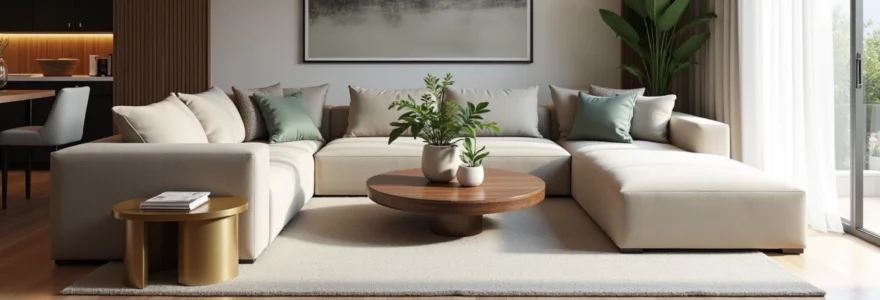
Creating a contemporary living room that achieves both balance and sophistication requires a masterful understanding of design principles, spatial relationships, and material selection. The modern homeowner seeks spaces that reflect current aesthetic sensibilities whilst maintaining timeless appeal and practical functionality. Contemporary design has evolved beyond stark minimalism to embrace warmer, more nuanced approaches that layer texture, colour, and form to create environments that are both visually striking and deeply liveable.
The challenge lies in achieving the perfect equilibrium between statement-making elements and restrained elegance. This balance demands careful consideration of every design decision, from the foundational colour palette to the placement of accent pieces. Contemporary living rooms must serve multiple functions whilst maintaining their sophisticated aesthetic appeal, requiring designers to think strategically about spatial flow, lighting architecture, and the psychological impact of colour choices.
Contemporary colour palette psychology and visual weight distribution
The foundation of any sophisticated contemporary living room begins with understanding how colour affects both mood and spatial perception. Contemporary colour schemes have moved beyond the stark white-and-black combinations of early modernism to embrace more nuanced approaches that create visual depth whilst maintaining clean, uncluttered aesthetics. The psychology behind colour selection extends far beyond personal preference, encompassing principles of visual weight distribution and spatial harmony that can make or break a design scheme.
Effective colour distribution follows the 60-30-10 rule, where 60% of the space features a dominant neutral tone, 30% incorporates a secondary colour that adds character, and 10% comprises accent colours that provide visual punctuation. This mathematical approach ensures visual balance whilst preventing colour overwhelm. Contemporary spaces typically favour neutral foundations that allow for flexibility in accent selection, creating environments that can evolve with changing trends without requiring complete redesign.
Monochromatic schemes using benjamin moore’s simply white and farrow & ball’s railings
Monochromatic colour schemes represent the pinnacle of sophisticated restraint in contemporary design. Benjamin Moore’s Simply White (OC-117) provides an exceptionally pure foundation that reflects light beautifully whilst maintaining warmth through subtle yellow undertones. When paired with Farrow & Ball’s Railings (No. 31), a deep charcoal that approaches black without the starkness, you create a dramatic contrast that feels both bold and refined.
The key to successful monochromatic schemes lies in incorporating varying shades and tones within the same colour family. Between the crisp white walls and charcoal accents, introduce mid-tone greys through upholstery, area rugs, and decorative accessories. This tonal progression creates visual interest without introducing colour complexity, allowing texture and form to take precedence in the design narrative.
Biophilic colour integration with natural stone and sage green accents
Biophilic design principles acknowledge our innate connection to nature, translating natural colour palettes into contemporary interiors that promote wellbeing and tranquillity. Incorporating natural stone colours—from warm limestone beiges to cool granite greys—creates a foundation that feels both grounded and sophisticated. These neutral stone tones provide the perfect backdrop for sage green accents that bring life and freshness to the space.
Sage green works particularly well in contemporary settings because it bridges the gap between traditional green tones and modern sophistication. When introducing sage green through soft furnishings, artwork, or accent walls, balance its organic quality with the clean lines of contemporary furniture to prevent the space from feeling too rustic or country-inspired.
Contrast ratios and tonal layering for visual depth
Creating visual depth in contemporary spaces requires understanding contrast ratios and their impact on spatial perception. High contrast combinations, such as crisp white against deep charcoal, create drama and definition, whilst lower contrast pairings promote tranquillity and flow. The most sophisticated contemporary living rooms employ varying contrast levels throughout the space, using high contrast for focal points and lower contrast for transitional areas.
Tonal layering involves introducing multiple shades of the same colour family to create richness without visual chaos. For instance, a primarily grey scheme might incorporate dove grey walls, charcoal upholstery, and silver metallic accents. This approach creates visual interest through subtle variation whilst maintaining the clean, cohesive aesthetic that defines contemporary design.
Colour temperature balance between warm and cool undertones
Understanding colour temperature proves crucial for creating sophisticated contemporary spaces that feel neither sterile nor overwhelming. Cool undertones—blues, greys, and greens—create sense of spaciousness and calm, whilst warm undertones—reds, yellows, and oranges—add energy and intimacy. The most successful contemporary living rooms balance these temperatures to create environments that feel both expansive and welcoming.
When selecting paint colours and furnishings, pay careful attention to undertones that may not be immediately obvious. A seemingly neutral beige may have pink undertones that clash with cooler elements, whilst a grey paint might lean blue or green depending on the lighting conditions. Testing colour combinations in various lighting conditions throughout the day ensures your carefully planned colour scheme maintains its sophistication regardless of natural light variations.
Spatial planning and furniture arrangement principles
Contemporary living room design demands meticulous attention to spatial relationships and furniture arrangement that promotes both functionality and visual harmony. The principles of contemporary spatial planning extend far beyond simply placing furniture against walls or creating obvious conversation groupings. Instead, successful contemporary spaces employ sophisticated understanding of proportion, scale, and flow to create environments that feel both spacious and intimate, functional and aesthetically pleasing.
Modern spatial planning considers how people naturally move through and use living spaces, incorporating traffic flow patterns, sight lines, and functional zones into the overall design strategy. This approach requires thinking about furniture as sculptural elements that define space rather than merely functional objects that occupy it. When you’re exploring contemporary design elements , consider how each piece contributes to the overall spatial narrative whilst serving its practical purpose.
Golden ratio application in seating group configuration
The golden ratio (1.618:1) provides mathematical foundation for creating visually pleasing furniture arrangements that feel naturally balanced. When applying this principle to seating configurations, consider the relationship between sofa length and coffee table proportions, or the spacing between individual seating pieces and their relationship to the overall room dimensions. A standard 96-inch sectional sofa, for example, pairs beautifully with a 60-inch coffee table, creating proportions that align with golden ratio principles.
Beyond basic proportioning, the golden ratio influences seating group arrangements by determining optimal distances between conversation pieces. The ideal conversation distance ranges from 4 to 8 feet between seating elements, with 6 feet representing the golden mean that promotes comfortable interaction without feeling cramped or distant.
Traffic flow optimisation using the 36-inch rule
The 36-inch rule governs primary traffic pathways through contemporary living spaces, ensuring comfortable movement whilst maintaining the clean lines essential to the aesthetic. This measurement represents the minimum width required for two people to pass comfortably, though contemporary design often expands this to 42 or even 48 inches in high-traffic areas to create more generous circulation space.
Secondary pathways—those leading to seating areas or around furniture groupings—require minimum 24-inch clearances, though 30 inches creates more comfortable navigation. These measurements become particularly important in open-plan living spaces where traffic flow must accommodate multiple functions whilst maintaining visual continuity throughout the larger space.
Focal point hierarchy and visual triangle composition
Contemporary living rooms require clear focal point hierarchy that guides the eye through the space whilst creating visual anchors that define functional zones. Primary focal points—typically fireplaces, large windows with views, or statement artwork—should dominate the room’s visual composition, with secondary focal points supporting rather than competing with the primary element.
Visual triangle composition involves arranging three key elements of varying heights and visual weights to create dynamic balance throughout the space. This might include a low sectional sofa, a tall floor lamp, and a medium-height side table, positioned to create triangular sight lines that feel naturally pleasing to the eye whilst avoiding symmetrical arrangements that can feel static or formal.
Scale proportioning with oversized statement pieces
Contemporary design embraces oversized statement pieces that create drama whilst serving functional purposes. However, successful scale proportioning requires understanding how these bold elements relate to both the room’s architecture and smaller furnishing pieces. A massive sectional sofa might overwhelm a small living room but feel perfectly proportioned in a loft-style space with 12-foot ceilings.
The key lies in balancing oversized elements with appropriately scaled supporting pieces. If your living room features a large sectional as the primary seating element, pair it with substantial coffee tables and side tables that can hold their own visually whilst avoiding competition. This approach creates sophisticated layering that feels intentional rather than accidental.
Texture layering and material selection strategy
Contemporary living room sophistication emerges through masterful texture layering and strategic material selection that creates visual and tactile interest without compromising clean aesthetic principles. Unlike traditional design approaches that might rely heavily on pattern and colour for visual interest, contemporary spaces achieve complexity through varying textures, finishes, and material contrasts. This approach demands careful consideration of how different materials interact with light, how textures complement or contrast with one another, and how surface treatments contribute to the overall sensory experience of the space.
The most sophisticated contemporary living rooms employ the principle of texture contrast, juxtaposing smooth against rough, matte against glossy, and natural against manufactured materials to create dynamic visual relationships. A polished marble coffee table might be paired with a nubby wool area rug, whilst smooth leather upholstery contrasts with rough-hewn wood accent pieces. These contrasts create visual interest whilst maintaining the clean, uncluttered aesthetic that defines contemporary design.
Material selection extends beyond aesthetic considerations to encompass performance characteristics, sustainability factors, and maintenance requirements. Contemporary homeowners increasingly prioritise materials that combine beauty with practicality, seeking surfaces that can withstand daily use whilst maintaining their sophisticated appearance. This has led to increased adoption of engineered materials that offer the beauty of natural elements with enhanced performance characteristics.
Successful texture layering follows the rule of threes, incorporating at least three different texture types within each functional zone. A seating area might combine smooth leather upholstery, textured throw pillows, and a woven area rug to create tactile variety that invites interaction. The key lies in ensuring these textures complement rather than compete with each other, creating harmonious combinations that enhance the overall design narrative.
When selecting materials for contemporary living rooms, consider their interaction with both natural and artificial light throughout the day. Reflective surfaces like polished stone or metallic finishes can help distribute light throughout the space, whilst matte textures provide visual rest areas that prevent overwhelming brightness. This interplay between texture and lighting creates the sophisticated ambience that characterises the most successful contemporary interiors.
Lighting design architecture for contemporary ambience
Contemporary lighting design transcends mere illumination to become an integral architectural element that shapes mood, defines space, and enhances the sophisticated atmosphere essential to refined living environments. The layered lighting approach—combining ambient, task, and accent lighting—provides the foundation for creating dynamic environments that adapt to different activities and times of day. However, contemporary lighting architecture goes beyond basic layering to incorporate smart technology, circadian rhythm consideration, and precise control systems that allow for infinite customisation of lighting conditions.
The relationship between natural and artificial light becomes particularly crucial in contemporary spaces, where large windows and open floor plans create challenging lighting conditions that change dramatically throughout the day. Successful contemporary lighting design anticipates these variations and provides seamless transitions between natural and artificial illumination that maintain consistent ambience regardless of external conditions. Understanding contemporary room design principles helps ensure lighting choices support rather than compromise the overall aesthetic vision.
Circadian rhythm lighting with philips hue and LIFX integration
Circadian rhythm lighting represents the cutting edge of contemporary lighting design, incorporating technology that adjusts colour temperature and intensity throughout the day to support natural biological rhythms. Philips Hue and LIFX systems offer sophisticated control options that automatically shift from cool, energising light in the morning to warm, relaxing tones in the evening, supporting both productivity and relaxation cycles.
These systems integrate seamlessly with contemporary aesthetics through minimalist fixture designs and app-based controls that eliminate the need for multiple wall switches. Programming can be customised to individual preferences and seasonal variations, ensuring optimal lighting conditions year-round whilst maintaining the clean, uncluttered control systems that contemporary design demands.
Task lighting positioning using artemide and tom dixon fixtures
Task lighting in contemporary living rooms serves dual purposes, providing functional illumination for specific activities whilst acting as sculptural elements that enhance the overall design composition. Artemide and Tom Dixon fixtures exemplify contemporary lighting design principles through clean geometric forms and innovative materials that complement rather than compete with furnishing selections.
Positioning task lighting requires understanding both functional requirements and aesthetic considerations. Reading lights should provide 50-100 foot-candles of illumination whilst avoiding glare, typically achieved through adjustable fixtures positioned 26-30 inches from the reading surface. However, these functional requirements must be balanced with visual composition, ensuring task lighting contributes to the overall lighting scheme rather than creating isolated pools of brightness.
Ambient layer creation through indirect LED strip systems
Indirect LED strip lighting creates sophisticated ambient illumination that appears to emanate from architectural elements rather than obvious fixtures. This approach aligns perfectly with contemporary design principles by providing necessary illumination whilst maintaining clean, uncluttered ceiling lines and wall surfaces. LED strips can be concealed behind floating shelves, within ceiling coves, or underneath wall-mounted cabinets to create dramatic lighting effects that enhance architectural features.
The key to successful LED strip integration lies in proper dimming controls and colour temperature selection. Warm white LEDs (2700K-3000K) create inviting ambient conditions, whilst cooler temperatures (3500K-4000K) provide more energising environments suitable for daytime activities. Dimmable systems allow for precise control that can create dramatic evening ambience or bright daytime illumination as needed.
Natural light maximisation with motorised blinds and sheer panels
Contemporary living rooms prioritise natural light as both functional illumination and aesthetic element, requiring sophisticated window treatments that provide privacy and light control without compromising views or architectural clean lines. Motorised blind systems offer precise light control through programmable settings that can respond to time of day, season, or specific lighting requirements for different activities.
Layering motorised blinds with sheer panels creates flexible light management systems that can provide complete privacy, filtered natural light, or unobstructed views as needed. This approach maintains the clean aesthetic lines essential to contemporary design whilst providing practical functionality that enhances daily living comfort. Smart integration allows these systems to coordinate with artificial lighting for seamless transitions throughout the day.
Statement furniture selection and investment pieces
Contemporary living room sophistication hinges on carefully curated statement furniture pieces that serve as both functional elements and artistic focal points within the overall design composition. Unlike traditional approaches that might emphasise matching furniture sets, contemporary design celebrates individual pieces that demonstrate exceptional design, craftsmanship, or innovative materials whilst contributing to a cohesive aesthetic vision. These investment pieces typically represent the largest budget allocation within a contemporary living room project, making selection decisions particularly crucial for long-term satisfaction and aesthetic success.
The philosophy behind contemporary furniture selection emphasises quality over quantity, encouraging investment in fewer, higher-quality pieces that will maintain their aesthetic and functional appeal over time. This approach aligns with contemporary values around sustainability and mindful consumption whilst creating spaces that feel curated rather than simply furnished. Statement pieces should demonstrate timeless design principles that transcend seasonal trends whilst incorporating enough personality to prevent the space from feeling generic or impersonal.
Scale considerations become particularly important when selecting statement furniture for contemporary living rooms, where clean lines and uncluttered aesthetics require careful attention to proportional relationships. Oversized pieces can create dramatic focal points when properly scaled to room dimensions, whilst undersized furniture can make even large spaces feel incomplete or under-furnished. The most successful contemporary living rooms balance bold statement pieces with supporting furniture that enhances rather than competes with primary focal points.
Material selection for statement furniture pieces should reflect contemporary values around authenticity and craftsmanship whilst incorporating innovative finishes or construction techniques that demonstrate current design thinking. Natural materials like solid wood, stone, and leather provide timeless appeal with the patina that improves with age, whilst engineered materials can offer enhanced performance characteristics that support daily living requirements. The key lies in selecting materials that align with personal lifestyle requirements whilst maintaining sophisticated aesthetic appeal.
Investment timing for statement furniture pieces requires strategic thinking about budget allocation and design priorities. Primary seating elements typically represent the largest investment and should be selected first to establish the room’s foundational aesthetic direction. Supporting pieces can be acquired over time, allowing for more thoughtful selection and better budget management whilst ensuring each addition contributes meaningfully to the overall design narrative.
The most sophisticated contemporary living rooms are distinguished not by the quantity of furnishings they contain, but by the quality and thoughtfulness of each individual selection that contributes to a cohesive design vision.
Architectural enhancement through
built-in storage solutions
Contemporary living rooms achieve their sophisticated, uncluttered aesthetic through strategic integration of built-in storage solutions that seamlessly blend functionality with architectural elegance. These custom storage elements serve dual purposes, providing essential organisation capabilities whilst enhancing the room’s visual composition through clean lines and purposeful design. Unlike freestanding storage furniture that can create visual interruption and spatial fragmentation, built-in solutions become integral architectural features that support the contemporary emphasis on seamless, flowing spaces.
The most effective built-in storage systems anticipate both current and future storage requirements whilst maintaining the flexibility essential to contemporary living. This forward-thinking approach ensures storage solutions remain relevant as lifestyle needs evolve, preventing the need for additional furniture that might compromise the carefully curated aesthetic. Built-in storage also maximises spatial efficiency by utilising areas that might otherwise remain unused, such as alcoves, under-stair spaces, or the zones between structural elements.
Material selection for built-in storage elements should reflect the same sophisticated approach applied to statement furniture pieces, incorporating high-quality finishes and hardware that enhance rather than detract from the overall design narrative. Concealed hardware, soft-close mechanisms, and integrated lighting systems demonstrate attention to detail that distinguishes professionally designed contemporary spaces from merely modern-looking rooms.
When planning built-in storage solutions, consider the psychological impact of hidden versus displayed storage on the room’s overall atmosphere. Completely concealed storage maintains the clean, minimalist aesthetic that defines contemporary design, whilst strategically placed open shelving can introduce opportunities for curated display that adds personality without compromising sophistication. The key lies in maintaining careful balance between concealment and display that supports both functional requirements and aesthetic goals.
Integration with existing architectural elements requires careful consideration of proportional relationships and sight lines throughout the space. Built-in storage should appear as natural extensions of the room’s architecture rather than obvious additions, requiring precise attention to details like trim profiles, finish matching, and structural integration. This seamless approach ensures storage solutions enhance rather than compromise the sophisticated ambience that contemporary living rooms strive to achieve.
The most successful contemporary living rooms demonstrate that sophistication emerges not from the absence of storage, but from storage solutions so expertly integrated that they become invisible elements of the architectural composition itself.
Custom millwork specifications should address both immediate functional requirements and long-term aesthetic considerations, incorporating adjustable shelving systems and modular components that can adapt to changing needs without requiring major renovations. This flexibility proves particularly valuable in contemporary spaces where technology integration, media storage, and display requirements continue to evolve rapidly, demanding storage solutions that can accommodate unforeseen future requirements whilst maintaining their sophisticated appearance.
The investment required for high-quality built-in storage solutions typically justifies itself through enhanced property value, improved daily functionality, and the elimination of ongoing furniture acquisition needs. When executed with proper attention to design and construction quality, built-in storage becomes a permanent architectural asset that contributes to the home’s overall sophistication whilst solving practical storage challenges that might otherwise compromise the contemporary aesthetic vision.