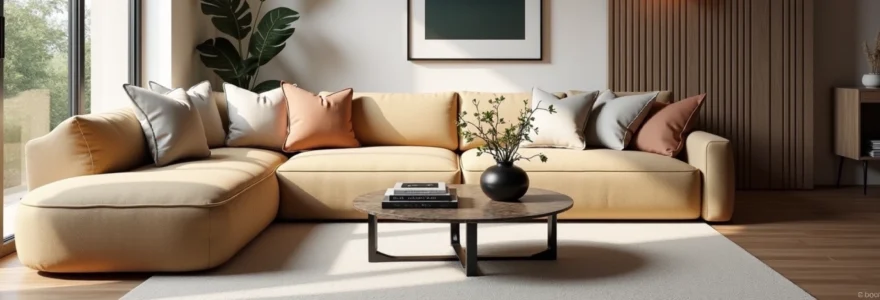
The art of selecting decorative accessories represents one of the most transformative aspects of interior design, yet it remains surprisingly misunderstood by many homeowners. While furniture provides the foundation and paint sets the mood, accessories serve as the final layer that breathes personality and sophistication into any space. These carefully chosen elements possess the remarkable ability to transform even the most ordinary room into an extraordinary showcase of style and functionality.
Professional interior designers understand that successful accessory selection involves far more than simply choosing beautiful objects. It requires a sophisticated understanding of spatial relationships, colour theory, material properties, and visual psychology. The strategic placement of a single well-chosen accessory can dramatically alter how a room feels, while poorly selected pieces can create visual chaos regardless of their individual beauty. This nuanced approach to decoration separates truly exceptional spaces from those that merely look furnished.
The challenge lies not in finding attractive accessories, but in selecting pieces that work harmoniously within the broader context of your interior environment. Each accessory must justify its presence through both aesthetic contribution and functional purpose, creating layers of visual interest that enhance rather than overwhelm the space. Understanding these principles enables you to make confident decisions that result in spaces which feel both professionally designed and authentically personal.
Understanding spatial dynamics and visual weight distribution in interior design
Effective accessory selection begins with a thorough understanding of how objects interact within three-dimensional space. Visual weight distribution represents a fundamental concept that determines whether your carefully chosen accessories create harmony or discord. Unlike physical weight, visual weight depends on factors such as colour intensity, pattern complexity, texture density, and positional prominence within the room’s hierarchy.
Analysing room proportions using the golden ratio principle
The golden ratio, approximately 1.618:1, provides a mathematical foundation for creating naturally pleasing proportions in interior design. When selecting accessories, applying this principle helps ensure that your chosen pieces relate harmoniously to both each other and the room’s architectural features. For instance, if your sofa measures 240 centimetres in length, accessories placed nearby should ideally measure approximately 148 centimetres or 89 centimetres to maintain golden ratio proportions.
This principle extends beyond simple measurements to encompass the relationships between different accessory groupings. Consider how a collection of vases on a mantelpiece might relate to artwork positioned above, or how the height of table lamps compares to the furniture they illuminate. Professional designers often use these proportional relationships subconsciously, creating spaces that feel inherently balanced without obvious mathematical calculation.
Implementing focal point hierarchy through strategic accessory placement
Every successful interior requires a clear hierarchy of focal points, with accessories playing crucial supporting roles in this visual narrative. The primary focal point should dominate attention immediately upon entering the room, while secondary focal points guide the eye through a carefully orchestrated journey. Accessories serve as the punctuation marks in this spatial story, emphasising important moments while providing visual rest areas between more dramatic elements.
Strategic placement involves understanding sight lines and natural movement patterns within the space. Position statement accessories where they will receive optimal viewing angles, while using smaller pieces to create transitional moments that prevent visual fatigue. The key lies in creating enough visual interest to engage viewers without overwhelming them with competing demands for attention.
Mastering scale relationships between furniture and decorative elements
Scale relationships determine whether accessories appear intentionally chosen or accidentally placed. A fundamental rule suggests that accessories should measure between one-third and two-thirds the height of nearby furniture pieces. This proportion ensures visual compatibility while allowing accessories to maintain their individual presence within the overall composition.
Consider the relationship between a large sectional sofa and potential accessory selections. While tiny decorative objects might disappear against such substantial furniture, oversized accessories could overwhelm the seating area. The most successful selections strike a balance that complements the furniture’s scale while maintaining their own distinct character and purpose.
Applying gestalt theory for cohesive visual groupings
Gestalt theory provides valuable insights for creating accessory groupings that feel intentional rather than random. The principle of proximity suggests that objects placed near each other appear related, while similarity creates connections between pieces sharing common characteristics. Understanding these psychological tendencies enables more effective accessory arrangements that support your design intentions.
The law of closure explains why odd-numbered groupings often appear more visually satisfying than even numbers. When arranging accessories, groups of three or five create natural triangular relationships that the human eye finds inherently pleasing. This principle applies whether you’re styling a coffee table, arranging artwork, or positioning decorative objects on floating shelves.
Colour psychology and chromatic harmonisation techniques
Colour represents perhaps the most emotionally powerful tool in interior design, capable of instantly transforming mood and atmosphere. Successful accessory selection requires understanding how different colours interact psychologically and practically within your existing space. The strategic use of colour through accessories allows for dramatic impact without the commitment and expense of major renovations.
Utilising munsell colour system for professional colour matching
The Munsell colour system provides a scientific framework for understanding colour relationships beyond simple visual assessment. This system evaluates colours across three dimensions: hue (pure colour), value (lightness or darkness), and chroma (intensity or saturation). Professional designers use these principles to create sophisticated colour harmonies that appear effortless yet demonstrate careful planning.
When selecting accessories, consider how their Munsell values relate to existing elements in your space. Accessories with similar value levels create subtle, sophisticated relationships, while contrasting values provide dynamic visual interest. Understanding these relationships enables confident colour decisions that enhance rather than conflict with your room’s established palette.
Creating monochromatic schemes with tonal variation methods
Monochromatic colour schemes, utilising various tones of a single hue, create sophisticated and calming environments that feel professionally designed. The challenge lies in creating sufficient visual interest without introducing additional colours. Accessories become crucial in this approach, providing opportunities to explore different saturations, values, and textures within your chosen colour family.
Successful monochromatic schemes require careful attention to texture and finish variation. A navy blue room might incorporate accessories in powder blue linen, midnight blue velvet, slate blue ceramic, and steel blue glass. Each piece contributes to the overall colour story while offering unique tactile and visual experiences that prevent monotony.
Implementing complementary colour theory through accent pieces
Complementary colours, positioned opposite each other on the colour wheel, create dynamic tension that energises interior spaces. However, using these powerful combinations requires restraint and sophistication to avoid overwhelming the environment. Accessories provide the perfect opportunity to introduce complementary accents without dominating the room’s overall character.
The 60-30-10 rule offers a practical framework for implementing complementary schemes. Use your dominant colour for 60% of the room, the secondary colour for 30%, and reserve the complementary accent for just 10% of the space through carefully chosen accessories. This approach ensures visual impact while maintaining overall harmony and sophistication.
Advanced colour temperature balancing for ambient enhancement
Colour temperature significantly influences how comfortable and inviting your space feels, yet many homeowners overlook this crucial aspect of design. Warm colours (reds, oranges, yellows) create intimate, cosy atmospheres, while cool colours (blues, greens, purples) promote calm and focus. Accessories allow you to fine-tune your room’s emotional temperature without major colour commitments.
Professional designers often use accessories to balance colour temperature throughout the day. Warm-toned accessories can counteract harsh afternoon light, while cool-toned pieces can refresh morning spaces. Understanding these subtle interactions enables you to create environments that feel consistently comfortable regardless of natural lighting conditions.
Material selection and tactile layering strategies
The thoughtful combination of materials and textures creates depth and visual interest that elevates accessories beyond mere decoration. Each material possesses inherent characteristics that influence how it interacts with light, reflects sound, and affects the overall sensory experience of your space. Understanding these properties enables more informed selection decisions that contribute meaningfully to your interior environment.
Contrasting texture combinations: rough jute with polished marble
Contrasting textures create dynamic visual relationships that prevent spaces from appearing flat or monotonous. The juxtaposition of rough, natural materials like jute against smooth, refined surfaces like polished marble exemplifies how opposing textures can enhance each other’s distinctive qualities. This principle applies whether you’re selecting major furniture pieces or smaller decorative accessories.
Successful texture contrasting requires understanding the emotional associations of different materials. Rough textures generally feel casual and approachable, while smooth surfaces suggest sophistication and formality. By thoughtfully combining these opposing qualities, you create environments that feel both welcoming and refined, accommodating various moods and occasions.
Metallic finish coordination: brushed brass, antique copper, and pewter
Metallic accessories provide opportunities to introduce glamour and sophistication while reflecting light to brighten interior spaces. However, combining multiple metallic finishes requires careful consideration to avoid appearing chaotic or confused. The key lies in understanding the undertones and formality levels of different metals, then selecting combinations that feel intentional rather than accidental.
Warm metals like brushed brass and antique copper pair naturally together, creating rich, inviting atmospheres reminiscent of traditional craftsmanship. Cooler metals like pewter and polished chrome offer more contemporary appeal, suggesting modern precision and technological sophistication. The most successful interiors often feature one dominant metallic tone supported by carefully chosen accents in complementary finishes.
Natural fibre integration: linen, wool, and raw silk applications
Natural fibres bring authenticity and tactile appeal to interior spaces while supporting sustainable design principles. Each fibre possesses unique characteristics that influence its appropriate application and maintenance requirements. Linen offers casual elegance with its naturally relaxed appearance, while wool provides warmth and acoustic benefits. Raw silk contributes luxury and light-reflective qualities that enhance formal environments.
The key to successful natural fibre integration lies in understanding how these materials age and respond to use. Unlike synthetic alternatives, natural fibres develop character over time, becoming more beautiful with appropriate care. This quality makes them particularly suitable for accessories intended as long-term investments rather than temporary decorative elements.
Synthetic material benefits: acrylic, resin, and composite options
Modern synthetic materials offer remarkable versatility and performance characteristics that make them invaluable for certain accessory applications. Acrylic provides crystal clarity without the fragility of glass, making it ideal for contemporary interiors requiring transparency without safety concerns. Resin enables complex forms and colours impossible with traditional materials, while advanced composites combine multiple material properties in single pieces.
The sophisticated application of synthetic materials requires understanding their aesthetic capabilities alongside their practical benefits. High-quality synthetic accessories can provide stunning visual impact while offering superior durability and maintenance convenience. The key lies in selecting pieces that showcase these materials’ unique properties rather than attempting to imitate natural alternatives.
Lighting integration and illumination enhancement through accessories
Lighting accessories serve dual purposes, providing both functional illumination and decorative appeal. The strategic placement of lighting elements can dramatically transform how other accessories appear, enhancing colours, highlighting textures, and creating atmospheric depth. Understanding the relationship between light and accessories enables more sophisticated design decisions that maximise visual impact throughout different times of day and various usage scenarios.
Table lamps, floor lamps, and decorative lighting fixtures function as accessories themselves while influencing how other decorative elements appear. The quality and direction of light can make colours appear warmer or cooler, enhance or diminish textural details, and create dramatic shadows that add architectural interest. Consider how different lighting scenarios will affect your accessory selections, ensuring they remain visually compelling under various conditions.
Layered lighting approaches combine ambient, task, and accent lighting to create flexible environments that adapt to different needs and moods. Accessories play crucial roles in this lighting strategy, with reflective surfaces amplifying available light, while textured materials create interesting shadow patterns. Metallic accessories positioned strategically can redirect light to illuminate dark corners or highlight particular features.
The colour temperature of artificial lighting significantly influences how accessory colours appear throughout the day. Warm light enhances earth tones and creates cosy atmospheres, while cool light supports blues and greens while promoting alertness. Understanding these relationships enables you to select accessories that maintain their intended appearance regardless of lighting conditions, ensuring consistent visual appeal from morning through evening.
Professional lighting design recognises that accessories and illumination form an integrated system where each element influences the perception and effectiveness of others.
Cultural and historical style authentication methods
Authentic style implementation requires understanding the historical and cultural contexts that inform different design movements. Whether you’re creating a mid-century modern environment or embracing Scandinavian minimalism, accessories play crucial roles in establishing and maintaining stylistic credibility. Successful style authentication involves selecting pieces that reflect genuine understanding of cultural aesthetics rather than superficial trend following.
Research forms the foundation of authentic style implementation. Understanding the social, economic, and technological factors that influenced historical design movements enables more informed accessory selection. For example, mid-century modern design emerged from post-war optimism and technological advancement, resulting in accessories that celebrated new materials and manufacturing processes. This knowledge helps distinguish authentic pieces from contemporary reproductions that may lack historical accuracy.
Cultural sensitivity becomes increasingly important as global design influences expand accessibility to diverse aesthetic traditions. Appropriately incorporating elements from other cultures requires respectful understanding of their origins and meanings rather than superficial aesthetic borrowing. The most successful cross-cultural design integration demonstrates genuine appreciation for different traditions while creating personally meaningful environments.
Regional variations within major style movements offer opportunities for more personalised interpretations. Scandinavian design encompasses distinct national differences, with Danish, Swedish, and Norwegian approaches each emphasising different aspects of Nordic aesthetics. Understanding these nuances enables more sophisticated accessory selection that reflects specific cultural influences rather than generic interpretations.
Contemporary interpretations of historical styles require balancing authenticity with modern functionality. While period-accurate accessories contribute to stylistic credibility, contemporary lifestyle requirements may necessitate adaptations or modern alternatives. The key lies in understanding the essential characteristics of your chosen style, then selecting contemporary accessories that honour these principles while meeting practical needs.
Authentic style implementation demonstrates respect for cultural and historical contexts while creating personally meaningful contemporary environments.
Budget optimisation and investment prioritisation framework
Strategic budget allocation enables maximum decorative impact without financial strain. Understanding which accessories justify significant investment versus those suitable for more modest expenditure prevents both overspending and false economy. The most successful approaches prioritise purchases that offer long-term value while identifying areas where less expensive alternatives can provide similar visual impact.
Investment-grade accessories typically include pieces that serve as focal points, demonstrate exceptional craftsmanship, or offer superior durability. These might include statement artwork, high-quality lighting fixtures, or handcrafted ceramic pieces that improve with age. Such investments often appreciate in value while providing years of visual satisfaction, justifying their initial cost through longevity and timeless appeal.
Seasonal and trend-responsive accessories represent areas where budget consciousness becomes particularly important. Rather than investing heavily in pieces that may feel dated within a few years, allocate modest budgets for accessories that allow style experimentation without significant financial commitment. This approach enables regular refreshing of your interior environment while maintaining overall design quality through permanent investment pieces.
Quality assessment skills become crucial when evaluating potential accessory purchases at various price points. Understanding construction methods, material properties, and finish quality enables recognition of genuine value regardless of price category. Sometimes expensive pieces offer poor value due to marketing rather than quality, while carefully selected budget options can provide excellent performance and appearance.
Timing purchases strategically can significantly extend decorating budgets while maintaining quality standards. End-of-season sales, floor model clearances, and estate sales often provide opportunities to acquire high-quality accessories at reduced prices. Patience and persistence in seeking these opportunities often yield superior results compared to impulse purchasing at full retail prices.
The total cost of ownership includes maintenance, replacement, and updating expenses beyond initial purchase prices. High-quality accessories that require minimal maintenance and remain stylistically relevant for years often prove more economical than cheaper alternatives requiring frequent replacement. This perspective encourages thoughtful selection decisions that consider long-term value rather than merely initial cost.
Effective budget optimisation balances immediate visual impact with long-term value creation through strategic investment prioritisation.
The art of selecting decorative accessories that truly elevate your space requires patience, knowledge, and a willingness to invest in pieces that align with both your aesthetic vision and practical requirements. Whether you’re beginning your design journey or refining an existing environment, remember that the most successful accessories are those that enhance your daily life while expressing your unique personality. Each carefully chosen piece should contribute to an overall narrative that feels both sophisticated and authentically personal, creating spaces that remain visually compelling and emotionally satisfying for years to come.