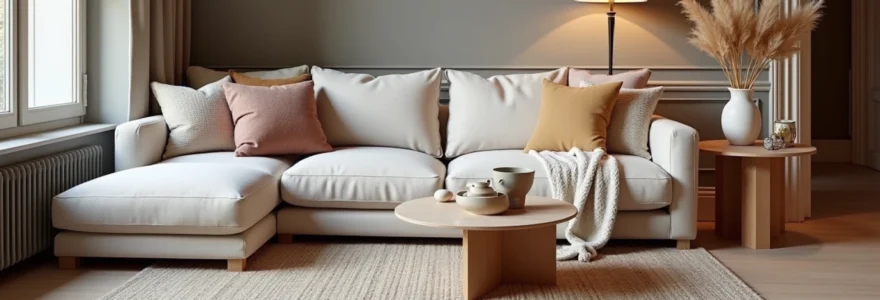
Creating a harmonious blend of textures in modern interiors requires understanding how different materials interact to produce visual interest while maintaining sophistication. The art of texture mixing transforms sterile contemporary spaces into inviting environments that engage multiple senses. Modern design principles emphasise clean lines and minimalist aesthetics, yet without thoughtful texture integration, these spaces can feel cold and unwelcoming. Professional interior designers recognise that texture serves as the bridge between contemporary functionality and human comfort, creating depth that colour alone cannot achieve.
The strategic combination of smooth and rough, soft and hard, matte and glossy surfaces creates a layered visual narrative that draws the eye throughout a space. This technique prevents the monotony that often characterises overly uniform modern interiors whilst preserving the sophisticated simplicity that defines contemporary design. Understanding texture mixing principles enables homeowners to curate spaces that feel both current and timeless, sophisticated yet approachable.
Understanding texture layering principles in contemporary interior design
Texture layering in contemporary interior design operates on the fundamental principle that surfaces should create visual dialogue rather than competition. Each textural element must contribute to an overall narrative whilst maintaining individual character. Professional designers approach texture selection with consideration for how light interacts with different surfaces throughout the day, understanding that morning light reveals textures differently than evening illumination.
The foundation of successful texture mixing lies in establishing a base layer of neutral textures before introducing accent pieces with more dramatic surface qualities. This approach ensures that bold textural statements enhance rather than overwhelm the space. Contemporary design favours restraint, meaning that texture choices should feel intentional rather than accidental, with each element serving both aesthetic and functional purposes.
Visual weight distribution through tactile surface contrasts
Visual weight distribution represents a crucial aspect of texture mixing that directly influences how balanced a space feels to occupants. Heavy textures such as chunky knit throws, nubby bouclé upholstery, or roughly hewn wooden accessories create anchoring points within a room’s composition. These elements provide visual stability and prevent spaces from feeling too ethereal or disconnected from human experience.
Lighter textures including smooth ceramics, polished metals, or fine cotton percale create breathing space within the overall composition. The interplay between heavy and light textural elements generates rhythm and movement, guiding the eye through the space in a deliberate manner. Successful texture mixing achieves equilibrium through strategic placement of contrasting weights , ensuring no single area becomes too dense or too sparse.
Scale and proportion theory in Multi-Textural arrangements
Scale relationships between different textures follow similar principles to pattern mixing, requiring variation in size and intensity to create visual harmony. Small-scale textures such as fine linen weaves or smooth leather provide subtle background interest, whilst medium-scale elements like basket weaves or herringbone patterns offer transitional qualities. Large-scale textures including thick cable knits or pronounced wood grains serve as focal points within the arrangement.
The rule of three applies effectively to texture mixing, combining small, medium, and large-scale surface treatments within viewing range. This approach prevents monotony whilst avoiding visual chaos. Professional designers often use architectural elements as the large-scale texture, furniture pieces for medium-scale interest, and accessories for fine textural details.
Colour temperature coordination with fabric and material textures
Colour temperature significantly influences how textures are perceived, with warm and cool undertones affecting the tactile qualities that surfaces appear to possess. Warm-toned textures including honey-coloured woods, caramel leathers, or golden linens create inviting atmospheres that encourage touch and interaction. These materials naturally complement spaces designed for relaxation and social gathering.
Cool-toned textures such as grey concrete, steel accessories, or crisp white cottons contribute to sophisticated, gallery-like atmospheres that emphasise visual rather than tactile engagement. The strategic combination of warm and cool textural elements prevents spaces from becoming too clinical or too cosy, achieving the balanced sophistication that characterises successful contemporary interiors.
Biophilic design integration through natural texture elements
Biophilic design principles recognise humanity’s innate connection to natural textures and materials, making their integration essential for creating psychologically comfortable modern spaces. Natural textures including raw wood, stone, woven grasses, and undyed fibres provide sensory richness that synthetic materials struggle to replicate. These elements ground contemporary interiors in organic reality, counterbalancing the artificiality of manufactured surfaces.
The inclusion of natural textures serves both aesthetic and wellness purposes, with research indicating that exposure to natural materials reduces stress and improves cognitive function. Incorporating elements such as jute rugs, wooden bowls, or stone vessels creates textural bridges between interior and exterior environments, enhancing the overall livability of modern spaces.
Strategic fabric and textile combinations for sophisticated depth
Fabric selection and combination represent perhaps the most accessible method for introducing textural complexity into modern interiors. Textile choices directly impact both visual appeal and physical comfort, making their careful curation essential for successful contemporary design. The layering of different fabric weights, weaves, and finishes creates dimensional interest that prevents spaces from appearing flat or one-dimensional.
Contemporary textile mixing requires understanding how different fibres behave in various lighting conditions and how their surface qualities complement or contrast with surrounding materials. Natural fibres generally offer superior tactile qualities and age gracefully, whilst synthetic materials provide durability and easy maintenance. The strategic combination of both types creates practical luxury that suits modern lifestyles.
Bouclé and linen pairing techniques for scandinavian aesthetics
Bouclé’s characteristic looped texture provides substantial visual weight that anchors Scandinavian-inspired colour schemes beautifully. When paired with smooth linen, bouclé creates sophisticated contrast that embodies Nordic design principles of functional beauty. The nubby surface of bouclé upholstery or cushions offers tactile interest against linen’s crisp smoothness, generating subtle dialogue between textures.
This combination works particularly well in neutral colour schemes where texture becomes the primary source of visual interest. Cream bouclé against natural linen, or charcoal bouclé with stone-grey linen creates depth without introducing colour complexity. The pairing suits both large furniture pieces and smaller accessories, offering flexibility in implementation across different budget ranges.
Velvet accent integration with hemp and jute natural fibres
Velvet’s lustrous pile creates dramatic contrast when juxtaposed with the rough, organic textures of hemp and jute. This combination exemplifies the high-low mixing approach that characterises sophisticated contemporary design, pairing luxury materials with humble, natural fibres. Velvet cushions on jute-upholstered furniture, or velvet throws over hemp textiles create unexpected textural conversations that elevate both materials.
The colour choices in this pairing significantly influence the overall aesthetic impact. Deep jewel-toned velvets against natural hemp create bohemian luxury, whilst neutral velvets with bleached jute achieve minimalist sophistication. The combination works effectively in both large applications and accent pieces, offering versatility for different design approaches.
Faux fur layering methods against smooth cotton percale
Faux fur provides maximum textural impact whilst maintaining ethical standards, creating dramatic contrast when layered over smooth cotton percale. This pairing works particularly well in bedroom environments where the combination of luxury and practicality enhances both visual appeal and functional comfort. The soft, dimensional quality of faux fur against percale’s crisp smoothness creates inviting textural layers that encourage relaxation.
Successful implementation requires careful attention to proportion and placement. Small faux fur accent pieces prevent overwhelming smooth surfaces, whilst larger throws create focal points that anchor room compositions. The colour relationship between these materials influences whether the combination feels cosy or sophisticated, with neutral pairings generally achieving more refined results.
Mohair throw positioning with brushed wool cushioning
Mohair’s distinctive silky texture combined with brushed wool’s soft nap creates sophisticated layering that exemplifies contemporary luxury. Both materials share similar weights whilst offering different surface qualities, making their combination particularly harmonious. This pairing works effectively in living spaces where comfort and elegance must coexist without compromise.
The positioning of these elements requires consideration of how natural light reveals their different surface qualities throughout the day. Mohair throws positioned to catch afternoon light create luminous focal points, whilst brushed wool cushions provide consistent tactile comfort. The combination ages beautifully, with both materials developing character over time rather than appearing worn.
Hard surface material juxtaposition for modern warmth
Hard surface materials form the architectural backbone of contemporary interiors, yet their combination requires careful consideration to prevent coldness or sterility. The strategic juxtaposition of different hard materials creates textural interest whilst maintaining the clean lines that define modern design. Understanding how various hard surfaces interact helps create sophisticated layering that feels warm rather than institutional.
The key to successful hard surface mixing lies in varying both texture and temperature whilst maintaining tonal harmony. Warm materials such as wood and copper balance cool elements like concrete and steel, creating environments that feel both sophisticated and welcoming. This approach prevents the clinical atmosphere that can result from too much uniformity in hard surface selection.
The most successful contemporary interiors achieve warmth through thoughtful material juxtaposition rather than relying solely on soft furnishings to humanise hard surfaces.
Travertine and reclaimed teak wood accent combinations
Travertine’s naturally pitted surface provides organic texture that complements reclaimed teak’s weathered character beautifully. Both materials share an aged quality that adds depth to contemporary spaces without compromising clean design principles. The combination works particularly well in kitchens and bathrooms where durability requirements favour hard materials over soft alternatives.
The tonal relationship between honey-coloured teak and cream travertine creates warmth that counteracts the potential coldness of contemporary architecture. This pairing suits both large applications such as countertops and flooring, and smaller accent pieces including serving boards or decorative objects. The materials’ shared organic origins create natural harmony that feels effortless rather than contrived.
Hammered copper elements against brushed concrete surfaces
Hammered copper’s warm metallic finish creates striking contrast against concrete’s cool, industrial texture. This combination exemplifies contemporary design’s embrace of industrial materials whilst maintaining human warmth through strategic material mixing. The handcrafted quality of hammered copper softens concrete’s mechanical appearance, creating sophisticated dialogue between organic and manufactured elements.
Implementation requires careful attention to proportion, with copper elements serving as accents rather than competing equally with concrete’s substantial presence. Copper lighting fixtures, vessels, or hardware against brushed concrete walls create focal points that enhance rather than overwhelm the architectural framework. The materials’ different maintenance requirements should be considered when planning their integration.
Rattan weaving integration with polished marble features
Rattan’s organic weave pattern provides textural contrast to marble’s smooth, luxurious surface whilst maintaining sophisticated appeal. This combination bridges contemporary and natural design elements, creating spaces that feel both refined and approachable. The pairing works effectively in various applications, from rattan furniture against marble surfaces to woven accessories displayed on marble platforms.
The colour relationship between these materials influences the overall aesthetic impact significantly. Natural rattan with white marble creates fresh, spa-like environments, whilst darker rattan with veined marble achieves more dramatic sophistication. The combination ages gracefully , with rattan developing patina that enhances rather than detracts from marble’s timeless appeal.
Ceramic stoneware positioning with raw steel framework
Ceramic stoneware’s earthy texture contrasts beautifully with raw steel’s industrial finish, creating combinations that feel both grounded and contemporary. This pairing exemplifies modern design’s appreciation for honest materials, showcasing both elements’ inherent qualities rather than disguising their characteristics. The combination works particularly well in open-plan spaces where material consistency helps define different functional areas.
The matte finish of stoneware against steel’s varied patina creates subtle textural dialogue that prevents either material from dominating. This approach suits both architectural applications and furniture design, offering flexibility in implementation across different scales and budgets. The materials’ durability makes their combination particularly suitable for high-traffic areas where both beauty and practicality matter.
Lighting enhancement of textural surface interplay
Lighting design plays a crucial role in revealing and enhancing textural relationships within contemporary interiors. Different light sources interact uniquely with various surface textures, creating opportunities to emphasise desirable qualities whilst minimising less appealing characteristics. Understanding these relationships enables designers to maximise textural impact through strategic illumination planning.
Natural light changes throughout the day, revealing textures differently at various times and seasons. Morning light emphasises surface variations through side illumination, whilst afternoon light creates dramatic shadows that enhance dimensional textures. Evening lighting requires artificial sources that complement natural illumination patterns whilst creating intimate atmospheres suitable for relaxation and socialising.
Directional lighting techniques can emphasise specific textures whilst allowing others to recede into background roles. Grazing light across textured walls reveals surface variations dramatically, whilst diffused lighting creates softer textural appreciation. The combination of multiple light sources at different levels creates layered illumination that enhances textural complexity throughout the space.
Artificial lighting choices significantly impact how textures appear and feel within spaces. Warm-toned LED sources enhance natural materials’ organic qualities, whilst cooler lighting emphasises manufactured materials’ precision and cleanliness. The strategic use of both types creates balanced environments that showcase textural variety effectively whilst maintaining visual cohesion.
Seasonal texture rotation strategies for Year-Round appeal
Seasonal texture rotation acknowledges that human comfort needs change throughout the year, requiring different textural emphasis during various seasons. This approach prevents spaces from feeling static whilst accommodating practical requirements for warmth during winter months and cooling during summer periods. Professional designers often plan base textures that remain constant whilst incorporating seasonal accent pieces that refresh the overall composition.
Spring and summer months favour lighter textures including crisp linens, smooth cottons, and polished surfaces that create fresh, airy atmospheres. These materials reflect light effectively whilst feeling cool to the touch, enhancing comfort during warmer months. The emphasis during these seasons often shifts toward visual texture rather than tactile complexity, creating sophisticated restraint that suits contemporary design principles.
Autumn and winter months accommodate richer textures including wool, velvet, and nubby fabrics that provide both visual and physical warmth. Layering heavier textures over lighter base elements creates seasonal adaptation without requiring complete redecoration. This approach maintains design continuity whilst acknowledging seasonal comfort requirements that influence how spaces are used and experienced.
Successful seasonal texture rotation maintains visual coherence whilst adapting to changing comfort needs, creating spaces that feel both consistent and responsive to natural rhythms.
Storage solutions for seasonal textural elements require planning to maintain their quality between uses. Natural fibres benefit from breathable storage containers, whilst synthetic materials can tolerate more compact storage methods. The investment in quality seasonal pieces pays dividends over time, as well-made textural accessories develop character that enhances their appeal rather than diminishing their value.
Transition periods between seasons offer opportunities to experiment with textural combinations before committing to seasonal changes. Spring cleaning routines provide natural timing for textural refreshment, whilst autumn preparation creates anticipation for cosy winter arrangements. These transitional moments help maintain engagement with interior spaces whilst preventing design stagnation.
Professional sourcing and quality assessment of textural accessories
Professional sourcing of textural accessories requires understanding quality indicators that distinguish investment pieces from disposable décor. Natural materials generally offer superior longevity and develop character over time, making them worthwhile investments despite higher initial costs. Synthetic alternatives provide practical solutions for high-traffic areas or temporary arrangements, but their selection requires careful attention to surface quality and finishing details.
Quality assessment begins with understanding how different materials age and wear over time. Natural fibres develop patina that enhances their appeal, whilst poorly made synthetic materials often deteriorate rapidly under normal use. Professional designers consider lifecycle costs when recommending textural accessories, recognising that quality pieces provide better value over time despite higher upfront investment.
Artisanal sources often provide unique textural qualities that mass-produced items cannot replicate. Hand-woven textiles, thrown ceramics, and crafted wooden accessories offer surface variations that create visual interest impossible to achieve through industrial production. Supporting craftspeople also ensures access to customisation options that enable perfect integration with existing design schemes.
International sourcing opens access to traditional textile techniques and regional material specialties that enhance contemporary interiors with authentic cultural elements. However, ethical considerations including fair trade practices and environmental impact should influence sourcing decisions. The most successful contemporary interiors balance global inspiration with local responsibility, creating textural stories that feel both worldly and grounded.
Quality natural materials require
investment in proper care and maintenance to preserve their textural qualities over time. Regular cleaning schedules prevent dirt accumulation that dulls surface characteristics, whilst appropriate storage protects against environmental damage. Understanding care requirements before purchase prevents disappointment and ensures long-term satisfaction with textural investments.
Supplier relationships matter significantly when sourcing quality textural accessories. Reputable dealers provide authenticity guarantees and care instructions that protect investments whilst established craftspeople offer repair services that extend product lifecycles. Building relationships with quality suppliers ensures access to new collections and custom work opportunities that enhance future design projects.
Budget allocation for textural accessories should prioritise quality over quantity, focusing on fewer pieces that provide maximum impact rather than numerous disposable items. This approach creates more sophisticated results whilst supporting sustainable design practices. Professional designers typically allocate 15-20% of total project budgets to textural accessories, recognising their crucial role in creating successful contemporary interiors.
Authentication becomes increasingly important as demand for artisanal textural accessories grows. Understanding traditional techniques and regional specialties helps identify genuine pieces whilst avoiding mass-produced imitations. This knowledge protects investments whilst ensuring that textural stories remain authentic rather than becoming superficial styling exercises that lack substance or meaning.