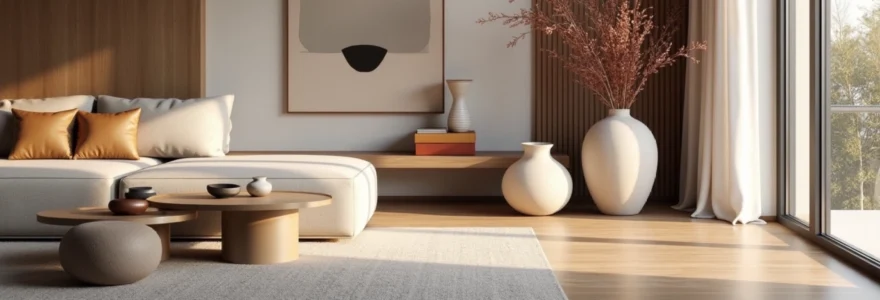
The art of interior design extends far beyond furniture placement and colour coordination. Artistic vases and sculptural decor represent the sophisticated layer of design that transforms ordinary spaces into extraordinary environments. These three-dimensional objects serve as both functional vessels and aesthetic statements, creating visual anchors that draw the eye and establish mood throughout your home.
Contemporary interior design increasingly embraces the concept of decorative objects as architectural elements . Rather than merely filling empty surfaces, well-chosen vases and sculptures become integral components of your spatial narrative. They introduce texture, form, and artistic expression that photographs and paintings alone cannot achieve. The tactile quality of ceramic, glass, and stone creates sensory depth that engages visitors on multiple levels.
Understanding how to select, position, and illuminate these decorative elements requires knowledge of design principles that professional interior stylists employ daily. From the golden ratio measurements that ensure visual harmony to the strategic use of negative space that enhances spatial perception, each decision contributes to the overall success of your interior composition.
Ceramic vessel selection principles for contemporary interior aesthetics
The selection of ceramic vessels for modern interiors requires careful consideration of both aesthetic and functional elements. Contemporary ceramic art has evolved beyond traditional pottery forms to encompass sculptural expressions that challenge conventional boundaries between art and utility. When choosing pieces for your space, evaluate how each vessel contributes to your overall design narrative whilst maintaining its individual artistic integrity.
Successful ceramic selection begins with understanding your space’s architectural character. Clean-lined, minimalist environments benefit from vessels with geometric precision and restrained surface decoration. Conversely, spaces with organic architectural elements can accommodate more expressive ceramic forms that celebrate the hand of the maker. Consider how the ceramic’s profile will interact with surrounding furniture and architectural features.
Glazing techniques and surface texture impact on ambient lighting
The surface treatment of ceramic vessels significantly affects how they interact with light throughout the day. Matte glazes absorb light , creating soft, contemplative focal points that ground a space with earthy sophistication. These finishes work particularly well in rooms with abundant natural light, where their subtle surface variations become more apparent as lighting conditions change.
Glossy glazes, conversely, reflect and redirect light around the room, potentially creating dramatic highlights and shadow play. High-gloss ceramic surfaces can serve as secondary light sources, bouncing illumination into darker corners of your space. Consider positioning glossy vessels near windows or artificial light sources to maximise this reflective quality.
Scale proportionality analysis using golden ratio measurements
The golden ratio (1:1.618) provides a mathematical framework for selecting vessel sizes that create natural visual harmony. When grouping multiple ceramic pieces, apply this proportional relationship to ensure balanced compositions that feel inherently pleasing to the eye. A vessel measuring 20 centimetres in height pairs beautifully with companions measuring approximately 12 and 32 centimetres respectively.
Beyond individual proportions, consider how your chosen vessels relate to the furniture and architectural elements they accompany. A console table measuring 180 centimetres in length can accommodate a primary vessel approximately 28-30 centimetres in height, following golden ratio principles that prevent the piece from overwhelming or disappearing within the composition.
Colour temperature coordination with existing architectural elements
Ceramic colour selection should harmonise with your space’s existing colour temperature profile. Warm-toned ceramics featuring earth pigments, ochres, and terracotta complement spaces with wooden architectural elements and brass fixtures. These warmer pieces create cohesive environments that feel grounded and inviting.
Cool-toned ceramic pieces featuring greys, blues, and pure whites work exceptionally well in spaces dominated by steel, concrete, and glass architectural elements. This coordination between ceramic colour temperature and architectural materials creates sophisticated unity that elevates the perceived quality of your entire interior.
Material authenticity assessment for stoneware and porcelain pieces
Understanding the fundamental differences between ceramic materials enables more informed purchasing decisions. Stoneware pieces exhibit natural variations in colour and texture that celebrate the clay’s inherent character. These pieces typically feature thicker walls and more pronounced surface textures that create engaging tactile experiences.
Porcelain vessels offer refined elegance through their fine clay composition and precise manufacturing processes. The translucent quality of thin porcelain creates ethereal beauty when backlit, whilst maintaining sufficient strength for daily use. Consider your lifestyle and maintenance preferences when choosing between these fundamentally different ceramic expressions.
Sculptural placement strategies using focal point theory
Strategic placement of sculptural elements transforms spaces through the deliberate creation of visual focal points that guide movement and attention throughout your interior. Focal point theory suggests that each room should contain one primary focal point supported by several secondary elements that create visual hierarchy without competing for attention. Sculptural pieces serve this purpose exceptionally well due to their three-dimensional presence and artistic significance.
The most effective sculptural placements consider both the object’s inherent qualities and the viewer’s natural movement patterns through the space. Entry points, conversation areas, and transitional zones between rooms provide opportunities for sculptural intervention that enhances the spatial experience. Understanding how people naturally navigate your space enables more strategic placement decisions that maximise impact whilst maintaining functional flow.
Visual weight distribution through asymmetrical balance techniques
Asymmetrical balance creates more dynamic and engaging interior compositions than symmetrical arrangements. Visual weight depends not only on physical size but also on colour intensity, texture complexity, and positioning within the composition. A small, dark sculptural piece positioned at eye level can balance a larger, lighter-coloured piece placed lower in the visual field.
Consider how visual weight shifts throughout the day as lighting conditions change. A reflective metallic sculpture may dominate morning compositions when catching direct sunlight, whilst retreating into the background during evening hours when artificial lighting takes precedence. Plan your asymmetrical arrangements to account for these temporal variations.
Negative space manipulation for enhanced spatial perception
The spaces between sculptural elements often prove as important as the objects themselves in creating successful compositions. Negative space manipulation involves the strategic use of emptiness to enhance the visual impact of your sculptural pieces whilst preventing visual overcrowding that diminishes individual objects’ significance.
Effective negative space planning requires considering viewing angles from multiple positions within the room. What appears balanced from the primary seating area may feel cramped when viewed from the dining table or entry corridor. Test your arrangements from various vantage points to ensure consistent visual success throughout the space.
Height variation methodology for dynamic compositional flow
Creating vertical rhythm through varied sculptural heights prevents monotonous horizontal compositions that fail to engage the viewer’s eye. The rule of odds suggests grouping sculptural elements in sets of three or five items with distinct height variations to create naturally pleasing arrangements that feel complete without appearing forced.
When planning height variations, consider the sight lines from seated and standing positions within your space. Floor-level sculptures may disappear when viewed from a sofa, whilst tall pieces might overwhelm intimate conversation areas. Aim for height progressions that remain visible and engaging from your space’s primary use positions.
Sight line optimization using triangular arrangement principles
Triangular arrangements create stable, balanced compositions that naturally guide the viewer’s eye through sculptural groupings. This geometric approach works particularly well when combining pieces of different materials, colours, or artistic styles. The triangle’s three points provide clear visual anchors whilst the implied connections between points create dynamic energy within the arrangement.
Consider both horizontal and vertical triangular relationships when positioning sculptural elements. A tall floor sculpture, medium-height table piece, and small shelf accent can create vertical triangular compositions that add architectural interest to otherwise flat wall surfaces. These arrangements work best when the triangular relationship remains visible from your space’s primary viewing positions.
Contemporary artist integration: raku pottery and abstract form sculptures
Contemporary ceramic artists and sculptors continue pushing boundaries between functional craft and fine art, creating pieces that serve multiple roles within sophisticated interiors. Raku pottery , with its distinctive firing process that creates unpredictable surface effects, brings organic spontaneity to controlled interior environments. These pieces celebrate the element of chance whilst maintaining refined artistic sensibility that complements modern design aesthetics.
Abstract form sculptures offer pure artistic expression without functional constraints, allowing for more adventurous shapes and material combinations. These pieces function as three-dimensional paintings, introducing colour, texture, and form that two-dimensional artwork cannot achieve. The key to successful integration lies in balancing artistic expression with spatial harmony, ensuring that bold sculptural statements enhance rather than overwhelm your interior composition.
When selecting contemporary pieces, consider the artist’s reputation and the work’s provenance. Investment-quality art appreciates over time whilst providing daily aesthetic enjoyment. Research emerging artists whose work resonates with your aesthetic preferences, as early acquisition of promising talent often proves both financially and aesthetically rewarding. Gallery relationships and art fair attendance provide access to cutting-edge work that maintains relevance as design trends evolve.
The integration of contemporary art requires understanding how artistic movements influence interior design trends. Pieces reflecting current artistic discourse feel fresh and engaging, whilst classic modern works provide timeless anchor points that remain relevant across changing design fashions. Balance experimental contemporary work with more established pieces to create collections that evolve gracefully over time.
Lighting design coordination for Three-Dimensional decorative objects
Proper illumination transforms decorative objects from static display pieces into dynamic focal points that change character throughout the day. Three-dimensional objects require more sophisticated lighting approaches than flat artwork, as their forms cast shadows and reflect light in complex ways that can either enhance or diminish their visual impact. Understanding these lighting principles enables you to maximise your sculptural investments’ aesthetic potential.
The interplay between natural and artificial lighting creates temporal variations that keep interior compositions fresh and engaging. Morning light might emphasise the texture of a ceramic vessel’s surface, whilst evening accent lighting could highlight its silhouette against a wall. Planning for these lighting transitions ensures your decorative objects remain visually compelling throughout daily lighting cycles.
Directional illumination techniques for ceramic surface enhancement
Directional lighting reveals the subtle surface qualities that distinguish exceptional ceramic work from mass-produced pieces. Grazing light applied at low angles emphasises surface texture and throwing marks that celebrate the potter’s skill. This technique works particularly well with matte-glazed pieces where subtle surface variations become primary aesthetic features under proper illumination.
Avoid direct overhead lighting that creates harsh shadows beneath protruding elements whilst failing to reveal surface character. Instead, position adjustable track lighting or picture lights to create gentle illumination angles that enhance rather than flatten your ceramic pieces’ three-dimensional qualities. LED technology enables precise colour temperature control that optimises ceramic glazes’ appearance.
Shadow casting patterns using accent lighting placement
Strategic accent lighting placement creates dramatic shadow patterns that extend your sculptural pieces’ visual impact beyond their physical boundaries. Sculptural shadows can become design elements in their own right, creating secondary compositions on walls and surfaces that multiply your artistic investment’s visual presence throughout the space.
Experiment with multiple light sources at varying angles to create complex shadow interactions that change as viewers move through the space. This dynamic quality keeps sculptural displays visually engaging whilst demonstrating sophisticated understanding of light’s role in interior design. Document successful lighting arrangements with photographs to recreate optimal conditions as seasons and natural lighting patterns change.
Colour rendering index considerations for glazed surfaces
The Colour Rendering Index (CRI) of artificial lighting significantly affects how ceramic glazes appear under different illumination conditions. High-CRI LED lighting (90+ CRI) reveals the true character of ceramic glazes, particularly important for pieces featuring subtle colour variations or complex surface effects that distinguish exceptional work from ordinary pottery.
Consider how different colour temperatures affect your ceramic pieces’ appearance throughout the day. Warm lighting (2700K-3000K) enhances earth-toned glazes whilst potentially dulling cool blues and greens. Cooler lighting (3500K-4000K) accurately renders a broader colour spectrum but may feel clinical in residential settings. Dimming capability allows adjustment between optimal colour rendering and ambient comfort levels.
Curatorial display methods for Mixed-Media vessel collections
Building and displaying vessel collections requires curatorial thinking that considers individual pieces’ relationships whilst maintaining each object’s distinct character. Mixed-media collections present unique challenges as different materials respond differently to environmental conditions and display requirements. Successful curation balances artistic coherence with practical conservation considerations that preserve your collection’s long-term value.
Professional curatorial approaches consider chronological development, stylistic evolution, and thematic relationships between pieces. Your collection might focus on specific techniques, regional traditions, or contemporary movements that create intellectual coherence beyond purely aesthetic considerations. This approach creates more engaging displays that tell visual stories whilst demonstrating sophisticated collecting knowledge.
Rotation strategies prevent visual fatigue whilst protecting pieces from prolonged light exposure that could cause degradation over time. Seasonal rotation allows you to rediscover pieces whilst creating fresh interior compositions that maintain visual interest throughout the year. Document your displays photographically to track successful arrangements and identify pieces that work well together in future installations.
Storage considerations for non-displayed pieces require proper padding, climate control, and organisation systems that prevent damage during handling. Professional-quality storage protects your investment whilst enabling easy access for rotation or loan opportunities. Consider climate-controlled storage units for valuable pieces that cannot be accommodated in your current living situation but represent future display opportunities as your collection and living situation evolve.
Maintenance protocols for High-Value ceramic and sculptural investments
Proper maintenance protocols preserve both the aesthetic and financial value of ceramic and sculptural investments whilst ensuring their continued enjoyment for decades. Preventive conservation proves far more cost-effective than restoration, making daily care routines essential for serious collectors. Understanding appropriate cleaning methods, environmental controls, and handling procedures protects your investment whilst maintaining pieces in exhibition-quality condition.
Environmental monitoring prevents damage from temperature fluctuations, humidity variations, and ultraviolet light exposure that can cause irreversible deterioration over time. Digital monitoring systems provide alerts when conditions exceed safe parameters, enabling prompt intervention before damage occurs. These systems prove particularly valuable for valuable pieces where restoration costs could exceed the investment’s original value.
Cleaning protocols must consider each piece’s specific materials and surface treatments. Unglazed ceramic surfaces require different approaches than glazed pieces, whilst mixed-media sculptures may combine materials with incompatible cleaning requirements. Develop specific cleaning protocols for each type of piece in your collection, consulting conservation professionals when uncertain about appropriate methods.
Documentation protocols should include detailed condition reports, provenance information, and photographic records that establish ownership and condition baselines. This documentation proves essential for insurance purposes whilst providing valuable information for future conservation decisions. Digital documentation systems enable easy sharing with conservation professionals, insurance adjusters, and potential purchasers should you decide to deacquisition pieces from your collection.
Regular professional assessments by qualified conservators identify potential problems before they require expensive interventions. Annual or biennial condition assessments provide peace of mind whilst establishing professional relationships with conservators who understand your collection’s specific needs. These relationships prove invaluable when urgent conservation needs arise or when considering acquisition of pieces requiring restoration before display.