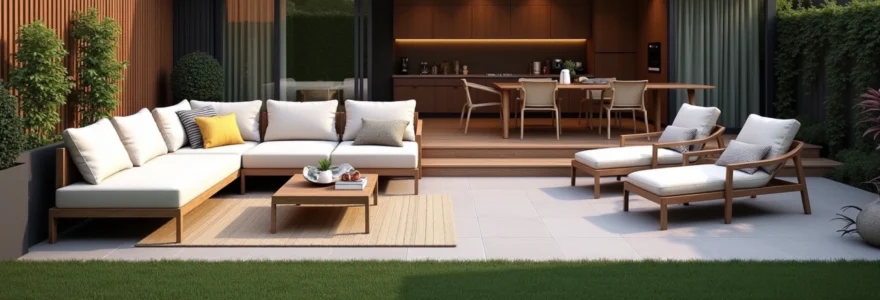
Creating an outdoor lounge that serves as your personal sanctuary requires careful consideration of multiple design elements working in harmony. The growing trend towards outdoor living has transformed gardens and patios from simple green spaces into sophisticated extensions of our homes. Modern homeowners increasingly recognise that a well-designed outdoor lounge can provide year-round benefits, from hosting summer gatherings to creating peaceful winter retreats. The key lies in understanding how to balance comfort, functionality, and aesthetic appeal while ensuring the space remains practical for daily use.
The most successful outdoor lounges emerge from thoughtful planning that considers both immediate needs and long-term usage patterns. Strategic design decisions made during the initial planning phase will determine whether your outdoor space becomes a cherished daily retreat or an underutilised area that fails to meet expectations. Contemporary outdoor design approaches emphasise creating seamless transitions between indoor and outdoor spaces, incorporating weather-resistant materials that maintain their appeal throughout the seasons.
Strategic space planning and zoning for outdoor lounging areas
Effective space planning begins with a comprehensive assessment of your available outdoor area and how different zones can serve specific functions. The concept of outdoor zoning has evolved significantly, moving beyond simple seating arrangements to create sophisticated living spaces that rival indoor comfort levels. Professional landscape designers recommend dividing larger outdoor spaces into distinct zones: active entertainment areas, quiet contemplation spaces, and transitional zones that connect different functional areas.
The size and shape of your outdoor space will dictate the most appropriate zoning strategy. Rectangular spaces lend themselves well to linear arrangements with clear sight lines, whilst square or irregularly shaped areas benefit from curved or asymmetrical layouts that create more intimate spaces. Consider how natural features such as existing trees, slopes, or architectural elements can be incorporated into your zoning strategy rather than working against them.
Traffic flow analysis and furniture placement principles
Understanding traffic patterns within your outdoor space ensures that furniture placement enhances rather than impedes natural movement. The primary circulation route should be at least 1.2 metres wide to accommodate comfortable passage, with secondary pathways measuring a minimum of 90 centimetres. Observe how family members naturally move through the space during different times of day and seasons to identify optimal furniture positioning.
Furniture groupings work most effectively when they follow the ‘conversation distance’ principle, positioning seating elements between 1.5 and 2.5 metres apart. This distance allows for comfortable conversation without requiring raised voices, whilst maintaining visual connection between different areas. Avoid creating barriers that fragment the space unnecessarily, instead using furniture placement to guide movement whilst maintaining openness.
Microclimate assessment and wind protection strategies
Every outdoor space contains multiple microclimates that can dramatically affect comfort levels throughout the day and seasons. Conduct a thorough microclimate assessment by monitoring sun patterns, prevailing wind directions, and temperature variations across different areas of your space. Morning sun exposure differs significantly from afternoon heat, and understanding these patterns allows for strategic placement of lounging areas.
Wind protection strategies range from natural solutions using existing vegetation to architectural interventions such as screens or partial enclosures. Consider how seasonal wind patterns change and design flexibility into your wind protection approach. Deciduous screens can provide summer wind protection whilst allowing warming winter sun to penetrate the space during colder months.
Privacy screening solutions using natural and architectural elements
Privacy considerations significantly impact the relaxation potential of outdoor lounges, particularly in urban environments where neighbouring properties are in close proximity. Natural screening solutions using fast-growing evergreen plants provide year-round privacy whilst contributing to the overall aesthetic appeal of the space. Bamboo species, laurel hedging, and ornamental grasses create effective natural barriers that mature relatively quickly.
Architectural screening elements offer immediate privacy solutions and can be combined with natural elements for enhanced effectiveness. Timber screens, metal panels, and fabric sails provide versatile options that can be customised to complement your overall design aesthetic. Consider the visual impact from both sides of any screening solution to ensure it enhances rather than detracts from the overall landscape design.
Sight line optimisation for garden views and focal points
Strategic sight line management transforms ordinary outdoor spaces into visually compelling environments that encourage extended use. Identify existing focal points such as mature trees, architectural features, or distant views, then position seating to take advantage of these natural assets. Create new focal points where none exist naturally, using water features, sculpture, or specimen plantings to anchor the visual composition.
Layered sight lines add depth and interest to outdoor spaces by creating foreground, middle ground, and background elements that guide the eye through the space. This approach prevents the common mistake of positioning all elements at the same visual level, which can create monotonous compositions. Consider seasonal changes in sight lines, particularly how deciduous plantings will affect views during winter months.
Weather-resistant material selection and durability specifications
Material selection represents the foundation of any successful outdoor lounge design, directly impacting both longevity and maintenance requirements. The Australian climate presents unique challenges with intense UV radiation, temperature fluctuations, and varying humidity levels that can rapidly degrade inferior materials. Professional-grade outdoor materials have evolved significantly, offering unprecedented durability whilst maintaining aesthetic appeal that rivals indoor furnishings.
Understanding material specifications and performance ratings enables informed decision-making that balances initial investment with long-term value. High-performance outdoor materials often incorporate advanced technologies such as UV stabilisers, moisture barriers, and antimicrobial treatments that extend lifespan whilst reducing maintenance requirements. Quality materials represent an investment in long-term enjoyment rather than simply an initial expense, particularly when considering replacement costs and ongoing maintenance requirements.
All-weather fabric technologies: sunbrella and performance textiles
Modern outdoor fabric technologies have revolutionised the comfort and durability of outdoor furnishings, with solution-dyed acrylic fabrics leading the innovation. Sunbrella fabrics undergo a specialised dyeing process where colour is added to the acrylic fibre before weaving, creating inherent fade resistance that maintains colour integrity for years. These fabrics typically carry warranties of 5-10 years against fading, demonstrating manufacturer confidence in performance capabilities.
Performance textile specifications should include water resistance ratings, UV protection factors, and antimicrobial treatments that prevent mould and mildew development. Look for fabrics with hydrophobic coatings that cause water to bead and roll off rather than penetrating the weave. Advanced textile technologies now incorporate recycled materials without compromising performance, appealing to environmentally conscious consumers who prioritise sustainability.
Aluminium frame construction versus teak and eucalyptus hardwoods
Frame material selection significantly impacts both the longevity and maintenance requirements of outdoor furniture, with each material offering distinct advantages for different applications. Marine-grade aluminium provides exceptional corrosion resistance whilst remaining lightweight and requiring minimal maintenance. Powder-coated aluminium frames can withstand decades of exposure without showing signs of deterioration, making them ideal for coastal environments where salt air accelerates corrosion.
Hardwood options such as plantation teak and eucalyptus offer natural beauty and thermal comfort that metal frames cannot match. High-quality teak contains natural oils that provide inherent weather resistance, though regular maintenance with teak oil preserves appearance and extends lifespan. Consider thermal characteristics when selecting frame materials, as metal frames can become uncomfortably hot during summer months whilst timber remains pleasant to touch.
Cushion core materials: Quick-Dry foam and drainage systems
Cushion construction technology has advanced considerably, with quick-dry foam systems addressing the primary concern of water retention in outdoor applications. Reticulated foam features an open-cell structure that allows water to drain freely whilst maintaining shape and support characteristics. Quality quick-dry foams incorporate antimicrobial treatments that prevent bacterial growth and odour development, crucial factors in humid climates.
Drainage channel designs within cushion cores facilitate rapid water evacuation whilst maintaining comfort and support. Some premium cushion systems incorporate ventilation channels that promote air circulation, reducing drying times and preventing moisture accumulation. Cushion covers should feature waterproof zippers and removable designs that enable easy cleaning and seasonal storage, extending overall lifespan significantly.
UV stabilisation and fade resistance ratings for outdoor textiles
Understanding UV stabilisation technologies enables informed selection of outdoor textiles that maintain appearance throughout extended exposure periods. UV stabilisers function by absorbing harmful ultraviolet radiation before it can break down polymer chains in synthetic fibres. Look for textiles with UV protection factors (UPF) ratings above 30, indicating effective protection against both fabric degradation and skin exposure during use.
Fade resistance testing typically follows standardised protocols that simulate years of sun exposure in accelerated timeframes. Quality outdoor textiles should demonstrate minimal colour change after 1,000 hours of accelerated testing, equivalent to several years of normal outdoor exposure. Colour selection impacts fade resistance, with darker colours and certain dye types showing greater susceptibility to UV degradation than lighter or specially treated alternatives.
Lighting design integration for evening ambience
Thoughtful lighting design extends the usability of outdoor lounges well beyond daylight hours, creating atmospheric environments that encourage relaxation and social interaction. The principles of outdoor lighting design differ significantly from indoor applications, requiring consideration of weather exposure, safety requirements, and the larger scale of outdoor spaces. Modern LED technologies have revolutionised outdoor lighting possibilities, offering energy efficiency, longevity, and unprecedented control over colour temperature and intensity.
Effective outdoor lighting schemes incorporate multiple layers that serve different functions: ambient lighting for general illumination, task lighting for specific activities, and accent lighting to highlight architectural or landscape features. Avoid over-illumination that destroys the intimate atmosphere essential for evening relaxation, instead creating pools of light that define spaces whilst preserving darkness for stargazing and natural night rhythms.
LED strip installation techniques for architectural features
LED strip lighting offers versatile solutions for highlighting architectural elements whilst providing subtle ambient illumination that enhances evening atmosphere. Professional installation techniques ensure weatherproof connections and consistent light output across the entire run. Aluminium channels provide protection for LED strips whilst improving heat dissipation, crucial for maintaining performance in outdoor applications where temperature fluctuations are common.
Consider colour temperature selection carefully, as warmer tones (2700K-3000K) create more relaxing atmospheres whilst cooler temperatures (4000K+) provide better task illumination. Dimmable LED systems allow adjustment throughout the evening as natural light levels change. Proper installation requires attention to IP ratings that ensure protection against moisture ingress, with IP65 or higher ratings recommended for direct weather exposure.
Solar-powered pathway lighting and bollard positioning
Strategic placement of solar pathway lighting enhances safety whilst creating visual continuity that guides movement through outdoor spaces during evening hours. Modern solar fixtures incorporate high-efficiency panels and lithium batteries that provide reliable illumination throughout the night, even during periods of limited solar charging. Position solar lights to receive maximum daylight exposure whilst avoiding shadows from structures or vegetation that could limit charging capacity.
Bollard spacing should follow safety lighting standards whilst creating attractive visual rhythms that complement the overall design aesthetic. Typically, bollards positioned every 3-4 metres provide adequate illumination for safe passage whilst avoiding over-lighting that destroys evening ambience. Consider seasonal sun angles when positioning solar fixtures, as winter shadows may significantly impact charging performance in locations that receive adequate summer sun exposure.
String light suspension methods and weatherproofing
String lights create magical atmospheres that transform outdoor spaces into enchanting evening environments, but proper installation techniques ensure safety and longevity. Heavy-duty suspension cables should support the weight of lights and resist wind loading, with appropriate tensioning to prevent sagging whilst avoiding over-stress that could damage mounting points. Use galvanised or stainless steel cables with proper turnbuckle tensioning systems for professional results.
Weatherproof electrical connections require proper outdoor-rated components and GFCI protection to ensure safety in wet conditions. Plan cable runs to minimise trip hazards whilst maintaining clean aesthetic lines that enhance rather than detract from the overall design. Consider removable systems for seasonal climates where winter storage extends bulb lifespan and reduces weather exposure to electrical components.
Smart lighting controls and dimming systems for outdoor use
Smart lighting systems enable sophisticated control over outdoor illumination, creating customised scenes that enhance different activities and times of evening. Modern systems integrate seamlessly with home automation platforms, allowing control via smartphone apps or voice commands. Programmable timers eliminate the need for manual switching whilst ensuring consistent lighting schedules that enhance security and convenience.
Dimming capabilities prove essential for creating appropriate ambience levels that transition naturally from dusk through late evening hours. Look for systems that offer smooth dimming curves rather than stepped changes that can appear jarring in relaxation settings. Weather-resistant control components must meet appropriate IP ratings whilst providing reliable operation throughout temperature extremes common in outdoor applications.
Thermal comfort solutions for Year-Round usage
Creating outdoor lounges that remain comfortable throughout changing seasons requires sophisticated understanding of thermal dynamics and human comfort requirements. Effective thermal management combines passive design strategies with active heating and cooling solutions that respond to varying weather conditions. Modern outdoor heating technologies have evolved beyond simple patio heaters to include radiant heating systems, fire features, and climate control zones that maintain comfort without energy waste.
The concept of thermal zoning allows different areas of outdoor spaces to be maintained at optimal comfort levels for specific activities and times of year. Morning coffee areas benefit from eastern exposure that captures warming sun, whilst evening entertainment zones require protection from afternoon heat gain combined with heating capacity for cooler nights. Understanding how thermal mass in paving and structures affects temperature regulation enables strategic design decisions that improve comfort whilst reducing energy consumption.
Wind chill factors significantly impact perceived temperatures, particularly during transitional seasons when air temperatures might suggest comfortable conditions. Effective windbreaks can improve perceived temperatures by 5-10 degrees Celsius, extending comfortable usage periods without additional heating. Consider how thermal comfort requirements vary with activity levels, as sedentary lounging requires higher ambient temperatures than active socialising or dining activities.
Modern radiant heating solutions integrate seamlessly into outdoor designs whilst providing efficient localised warming that doesn’t rely on heating large volumes of air. Infrared heaters mounted overhead create comfort zones without visible heating elements that might compromise aesthetic appeal. Gas-fired heating systems offer rapid response times and independence from electrical supply, whilst electric options provide precision control and integration with smart home systems. Strategic placement of heating elements ensures even temperature distribution whilst avoiding direct exposure that can cause discomfort or safety concerns.
Landscaping integration and botanical screening elements
Successful outdoor lounge design requires seamless integration between built elements and surrounding landscape features, creating cohesive environments that feel natural and established rather than recently imposed. The selection and placement of plants around lounging areas significantly impacts both immediate comfort and long-term maintenance requirements. Consider mature sizes when positioning trees and shrubs to avoid future conflicts with structures or sight lines whilst ensuring adequate growing space for healthy development.
Botanical screening serves multiple functions beyond simple privacy, including microclimate modification, noise reduction, and aesthetic enhancement that changes throughout seasons. Evergreen screening provides year-round structure and privacy, whilst deciduous options offer seasonal variation and winter sun penetration. Fragrant plantings positioned near seating areas enhance the sensory experience, with species such as jasmine, lavender, and native flowering shrubs providing pleasant aromas that complement evening relaxation activities.
Native plant selection offers significant advantages in terms of water requirements, pest resistance, and wildlife habitat provision whilst ensuring visual compatibility with surrounding landscape character. Research local native species that thrive in your specific microclimate conditions and soil types to ensure long-term success with minimal intervention. Consider how root systems might affect nearby structures or utilities when positioning larger plants, particularly near seating areas where root intrusion could cause future problems.
Seasonal interest planning ensures that landscape elements provide visual appeal throughout the year rather than peak attractiveness during limited periods. Combine plants with different flowering seasons, foliage colours, and structural characteristics to create dynamic compositions that evolve naturally. Winter interest becomes particularly important in temperate climates where outdoor lounges might receive significant cold-season use. Textural contrasts between different plant species create visual interest that remains appealing even when flowering displays are absent, using combinations of fine and bold foliage types to maintain landscape appeal.
Maintenance protocols and seasonal care regimens
Establishing comprehensive maintenance protocols ensures that outdoor lounges retain their appeal and functionality throughout years of regular use whilst minimising unexpected repair costs and premature replacement requirements. Different materials and components require specific care approaches that vary with seasonal conditions and usage intensity. Professional-quality outdoor furniture typically includes manufacturer maintenance guidelines that specify appropriate cleaning products, protection methods, and service intervals essential for warranty compliance.
Seasonal maintenance schedules should align with local climate patterns
and weather conditions to maximise effectiveness whilst minimising disruption to outdoor enjoyment. Pre-season inspections identify potential issues before they become costly problems, particularly for mechanical components such as retractable awnings, umbrella mechanisms, and electrical systems exposed to weather extremes.
Weekly maintenance during active seasons focuses on immediate cleanliness and minor adjustments that preserve appearance and functionality. Fabric cleaning schedules should account for local environmental factors such as pollen levels, dust accumulation, and bird activity that can accelerate soiling. Most high-quality outdoor fabrics benefit from monthly vacuuming to remove surface debris, followed by spot cleaning as required using manufacturer-approved cleaning products.
End-of-season protocols prepare outdoor lounges for periods of reduced use or harsh weather exposure, significantly extending component lifespan whilst reducing spring preparation requirements. Thorough cleaning before storage prevents stains from setting permanently and eliminates organic matter that could attract pests during storage periods. Consider partial disassembly for components that benefit from indoor storage, particularly cushions and removable fabric elements that represent significant replacement costs.
Documentation of maintenance activities provides valuable records for warranty claims whilst helping identify patterns that might indicate premature wear or installation issues. Digital photographs taken during routine maintenance create visual records that assist professional service providers when repairs become necessary. Maintenance logs should include weather exposure records, cleaning product usage, and any adjustments made to mechanical components, creating comprehensive histories that inform future care decisions.
Professional maintenance services become cost-effective for complex installations featuring integrated lighting systems, motorised components, or extensive built-in elements that require specialised knowledge for proper care. Annual professional inspections can identify developing issues that homeowners might overlook, particularly electrical connections, structural integrity concerns, and pest intrusion that could compromise safety or functionality. The investment in professional maintenance typically proves economical when compared to premature replacement costs for high-quality outdoor furniture and integrated systems.
Seasonal storage strategies vary significantly based on climate conditions and available storage space, but proper protection during extreme weather periods dramatically extends component lifespan. Breathable covers prevent moisture accumulation whilst protecting against UV exposure and debris accumulation during winter months. Avoid plastic covers that trap moisture and create ideal conditions for mould development, instead selecting purpose-designed outdoor furniture covers with ventilation features and secure attachment systems.
Emergency maintenance procedures should be established for unexpected weather events that could damage outdoor installations, particularly during storm seasons when rapid response can prevent minor damage from becoming major replacement requirements. Quick-drain procedures for standing water, temporary structural reinforcement methods, and emergency power disconnection protocols ensure safety whilst minimising damage potential. Insurance considerations may require specific maintenance documentation to validate coverage claims, making detailed record-keeping essential for protecting significant investments in outdoor living infrastructure.