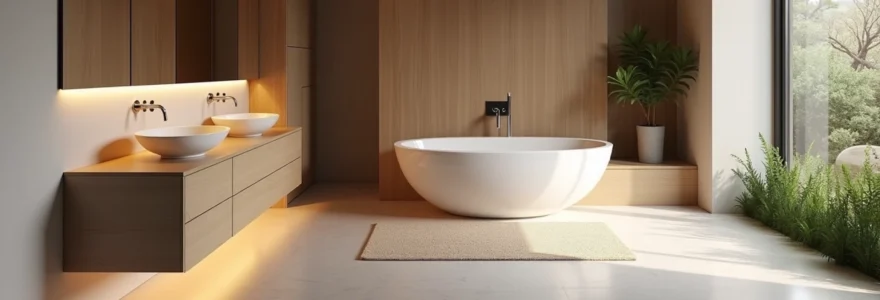
Modern life’s relentless pace creates an urgent need for personal sanctuaries where the mind can find respite and the body can truly unwind. The bathroom, once purely functional, has evolved into a potential haven of tranquility where ancient Japanese design principles meet contemporary wellness needs. Creating a Zen-inspired bathroom transcends mere aesthetic choices—it represents a fundamental shift towards mindful living, where every element serves to restore balance and promote inner peace. When designed with intention and authenticity, these spaces become powerful tools for stress reduction, meditation, and daily renewal.
The philosophy behind Zen bathroom design draws from centuries of Japanese architectural wisdom that prioritises harmony between human needs and natural elements. This approach recognises the bathroom as more than a utilitarian space; it becomes a transformative environment where the ritual of cleansing extends beyond the physical to encompass mental and spiritual purification. The integration of natural materials, thoughtful lighting, and carefully considered spatial arrangements creates an atmosphere that naturally slows the breathing, calms the nervous system, and encourages present-moment awareness.
Essential design principles for zen bathroom architecture
Authentic Zen bathroom design rests upon fundamental principles that have guided Japanese architecture for millennia. These timeless concepts create spaces that feel both grounded and ethereal, supporting the user’s journey towards inner stillness while maintaining practical functionality for daily use.
Minimalist spatial planning and negative space utilisation
The Japanese concept of ma —the purposeful use of emptiness—forms the cornerstone of effective Zen bathroom design. This principle recognises that spaces between objects hold equal importance to the objects themselves, creating breathing room that allows the eye and mind to rest. In practical terms, this means resisting the temptation to fill every available surface or corner with fixtures and accessories.
Effective spatial planning begins with identifying the essential elements your bathroom truly needs, then positioning these thoughtfully to maximise the sense of openness. A single statement piece, such as a freestanding soaking tub positioned with ample clearance on all sides, creates more visual impact and tranquility than multiple smaller elements clustered together. Consider how you move through the space during your daily routines—the pathways should feel unobstructed and naturally flowing.
Natural light optimisation through strategic window placement
Natural illumination serves as the lifeblood of any successful Zen bathroom, creating dynamic connections between interior and exterior environments throughout the day. The quality and direction of natural light profoundly influences both the visual appeal and psychological impact of the space, making window placement a critical consideration rather than an afterthought.
North-facing windows provide consistent, gentle illumination without harsh shadows or temperature fluctuations, making them ideal for meditation areas or reading nooks within the bathroom. East-facing windows capture the soft, energising light of dawn—perfect for morning routines that set a positive tone for the entire day. When privacy concerns arise, consider installing translucent materials like shoji screens or frosted glass that maintain light transmission while ensuring comfort.
Symmetrical layout design following feng shui principles
While pure minimalism might suggest asymmetrical arrangements, Zen bathroom design benefits from subtle symmetry that creates psychological stability and visual calm. This doesn’t require rigid mirroring of elements, but rather a balanced distribution of visual weight that feels harmonious and intentional.
The ancient Chinese practice of Feng Shui, deeply integrated into Japanese design philosophy, offers valuable guidance for creating energetically balanced spaces. Position the main bathing area away from direct sightlines to the entrance, creating a sense of privacy and retreat. Avoid placing mirrors directly opposite each other, which can create restless energy, and ensure that water features flow towards the interior of the room rather than towards exits.
Clutter-free storage solutions with concealed cabinetry
The visible absence of clutter requires sophisticated hidden storage systems that maintain the clean aesthetic while providing practical functionality. Built-in solutions integrated seamlessly into wall cavities or beneath raised platforms preserve the uninterrupted surfaces essential to Zen design principles.
Consider recessed medicine cabinets that sit flush with wall surfaces, or vanity designs where drawers open with gentle touch mechanisms rather than visible handles. Heated towel storage within wall cavities keeps linens perfectly organised and pleasantly warm while maintaining the minimal visual footprint. The key lies in planning storage solutions during the initial design phase rather than adding them as afterthoughts.
Material selection for authentic japanese bathroom aesthetics
The choice of materials fundamentally shapes both the sensory experience and long-term satisfaction of a Zen bathroom. Authentic materials connect users with natural cycles and textures, creating spaces that feel alive and responsive rather than sterile and static.
Teak and hinoki wood integration for warmth and aromatherapy
Japanese hinoki cypress represents the pinnacle of bathroom wood applications, offering natural antimicrobial properties, resistance to moisture damage, and a subtle citrus fragrance that enhances the bathing experience. This premium material, traditionally used in temple construction, brings sacred associations and proven durability to modern bathroom applications. Hinoki’s natural oils create an inherent aromatherapy effect that becomes more pronounced in warm, humid conditions.
Teak provides an excellent alternative for those seeking similar durability with broader availability and varied grain patterns. Its natural water resistance makes it ideal for shower benches, vanity tops, and accent walls where moisture exposure is constant. Both woods develop a beautiful patina over time, deepening their connection to natural aging processes that Zen philosophy celebrates rather than resists.
Natural stone applications: basalt, granite, and river rock
Stone elements ground Zen bathroom designs with their connection to geological time scales and natural formation processes. Basalt’s fine-grained texture and deep charcoal colouring create sophisticated surfaces for flooring and accent walls, while its thermal mass properties help regulate bathroom temperatures naturally.
Granite applications work particularly well for vanity surfaces and shower surrounds, offering durability alongside varied natural patterning that prevents visual monotony. River rock installations, whether as shower flooring or decorative accents, provide gentle foot massage benefits while creating textural interest that engages multiple senses. The key lies in selecting stones with similar tonal qualities while varying their textures and applications throughout the space.
Bamboo fixtures and sustainable Eco-Friendly elements
Bamboo’s rapid growth cycle and natural antibacterial properties make it an ideal material for Zen bathroom fixtures that align with environmental consciousness. Beyond its practical benefits, bamboo carries cultural associations with flexibility, resilience, and continuous growth—qualities that support the personal transformation goals of Zen practice.
Contemporary bamboo applications include vanity construction, mirror frames, storage containers, and even specially treated bamboo tiles for wet areas. The material’s natural segmentation creates interesting visual rhythms while its warm golden tones complement both neutral and earth-based colour schemes. When selecting bamboo products, prioritise those with minimal chemical treatments to preserve the material’s natural fragrance and health benefits.
Textured wall finishes using venetian plaster and lime wash
Textured wall treatments add subtle visual interest while maintaining the serene simplicity essential to Zen design. Venetian plaster applications create depth through layers of mineral-based materials that shift subtly under changing light conditions throughout the day. This ancient technique produces surfaces that feel alive and responsive, connecting users with traditional craftsmanship methods.
Lime wash finishes offer excellent moisture management properties while creating soft, matte surfaces that absorb rather than reflect harsh artificial lighting. These natural finishes improve with age, developing character marks and subtle colour variations that enhance rather than diminish their appeal. Both techniques work exceptionally well in neutral tonal ranges that support rather than compete with other natural elements.
Colour psychology and zen palette implementation
The psychological impact of colour in bathroom environments extends far beyond mere aesthetic preferences, influencing everything from circadian rhythm regulation to stress hormone production. Zen colour palettes draw from natural phenomena—the subtle variations found in stone, wood, water, and sky—creating environments that support rather than overstimulate the nervous system.
Earth tones form the foundation of effective Zen colour schemes, with warm beiges and soft browns creating psychological connections to stability and grounding. These colours work particularly well in spaces with limited natural light, as they reflect available illumination while maintaining warmth. Consider how colours shift under different lighting conditions throughout the day—what appears perfectly balanced in morning light might feel too warm under evening artificial lighting.
Water-inspired blues and greens introduce cooling elements that balance earthier tones while maintaining the natural theme. These colours prove especially effective in warmer climates or bathrooms that receive significant afternoon sunlight. The key lies in selecting muted versions rather than saturated hues—think weathered sea glass rather than tropical ocean blue. Gray serves as an excellent neutral anchor that allows natural materials to take centre stage while providing sophisticated backdrop for both warm and cool accent colours.
The most powerful Zen colour palettes create environments where colour temperature shifts naturally throughout the day, supporting the body’s circadian rhythms while maintaining visual harmony regardless of lighting conditions.
Monochromatic approaches offer sophisticated alternatives that rely on texture and material variation rather than colour contrast for visual interest. A palette built entirely around warm grays, for instance, allows the natural grain of wood, the crystalline structure of stone, and the organic patterns of plants to provide all necessary visual stimulation. This approach requires careful attention to surface finishes and lighting design to prevent the space from feeling flat or institutional.
Water feature installation for meditative ambiance
Water serves as the central element in Zen bathroom design, extending far beyond functional requirements to create sensory experiences that support meditation and stress reduction. The sound, temperature, and visual movement of water provide natural white noise that masks urban distractions while encouraging deeper breathing and present-moment awareness.
Rain shower systems with overhead monsoon heads
Overhead rainfall showerheads transform daily cleansing routines into immersive sensory experiences that mimic natural weather phenomena. Unlike conventional side-mounted fixtures, rainfall systems create enveloping water coverage that feels more like standing beneath a gentle waterfall than using mechanical equipment. The psychological benefits extend beyond the immediate pleasure—the rhythmic sound of falling water naturally slows brainwave activity and encourages meditative states.
Installation considerations include ceiling height requirements, water pressure optimisation, and drain capacity planning. Effective rainfall shower design requires minimum ceiling heights of 8 feet to allow proper water column development, while water pressure systems may need upgrading to maintain consistent flow rates. Consider incorporating multiple shower heads at varying heights to create layered water experiences that cater to different users and preferences.
Freestanding soaking tubs: ofuro and modern alternatives
Traditional Japanese ofuro bathing tubs prioritise depth over length, encouraging seated bathing positions that promote introspection and full-body water immersion. These compact yet deep designs maximise water efficiency while creating intimate bathing experiences that feel more like meditation retreats than conventional baths. Modern interpretations maintain these proportional relationships while incorporating contemporary materials and installation methods.
Freestanding tub placement requires careful consideration of sightlines, privacy, and maintenance access. Position tubs to take advantage of natural views when possible, creating connections between indoor bathing and outdoor natural environments. Ensure adequate floor support for water-filled tub weights, and plan for easy cleaning access around all sides. The space around a freestanding tub becomes part of the design—consider how flooring materials, lighting, and nearby storage contribute to the overall bathing experience.
Waterfall spout integration and Wall-Mounted cascades
Waterfall spouts create dramatic focal points while providing therapeutic benefits through negative ion generation and soothing water sounds. Wall-mounted cascade features work particularly well in larger bathrooms where water walls can serve as both functional and artistic elements. These installations require careful engineering to ensure proper water collection and circulation while maintaining the clean aesthetic essential to Zen design.
The visual impact of flowing water creates natural meditation focal points that help quiet mental chatter and encourage present-moment awareness. Consider incorporating subtle lighting behind water features to create depth and movement that changes throughout the day. Maintenance requirements include regular cleaning to prevent mineral buildup and occasional system flushing to maintain water clarity and flow consistency.
Japanese washbasin designs with vessel bowl configurations
Traditional Japanese washbasins, or chozubachi , originally served ritual purification functions in temple gardens. Modern interpretations bring this contemplative approach to daily hygiene routines through vessel bowl configurations that elevate handwashing into mindful practices. Stone, ceramic, or wooden vessel bowls create opportunities for slowing down and paying attention to simple, repetitive actions.
Vessel bowl installations require careful height planning to ensure comfortable use while maintaining proper proportions with surrounding elements. Consider counter heights between 32 and 36 inches depending on user requirements and bowl depths. Drainage planning becomes critical with vessel configurations—ensure adequate clearance for plumbing while maintaining the clean lines essential to Zen aesthetics.
Lighting design strategies for tranquil bathroom environments
Lighting design in Zen bathrooms requires sophisticated understanding of how different light qualities affect both visual perception and psychological states. The goal extends beyond adequate illumination to create dynamic environments that support various activities while maintaining consistent tranquility.
Dimmable LED systems with circadian rhythm technology
Contemporary LED technology allows precise control over both light intensity and colour temperature, enabling bathroom lighting that supports natural circadian rhythms while providing task-specific illumination. Circadian lighting systems automatically adjust colour temperature throughout the day—cooler, bluer light in the morning to support alertness, warmer tones in the evening to encourage relaxation and sleep preparation.
Installation requires careful planning of control systems that allow easy adjustment without disrupting the clean aesthetic of Zen design. Consider smartphone-controlled systems that eliminate the need for multiple wall switches, or simple dimmer controls integrated seamlessly into wall surfaces. The key lies in creating lighting that feels intuitive and effortless rather than requiring complex programming or frequent adjustment.
Paper lantern fixtures and shoji screen illumination
Traditional Japanese paper lanterns and shoji screen lighting create soft, diffused illumination that eliminates harsh shadows while maintaining cultural authenticity. These fixtures work particularly well for ambient lighting applications where general illumination takes precedence over task-specific needs. The warm glow of paper-diffused light naturally encourages relaxation while creating interesting shadow patterns that change throughout the day.
Modern interpretations use moisture-resistant materials while maintaining the visual characteristics of traditional paper. LED technology makes these fixtures practical for bathroom applications, providing long-lasting, energy-efficient illumination without heat generation that could damage delicate materials. Consider incorporating automatic dimming features that respond to natural light levels throughout the day.
Recessed ceiling lighting with warm temperature settings
Recessed ceiling fixtures provide essential task lighting while maintaining the uncluttered ceiling surfaces important to Zen design principles. Proper spacing and trim selection ensure even illumination without creating harsh pools of light that disrupt visual tranquility. Warm colour temperature settings—between 2700K and 3000K—create inviting environments that complement natural materials and support relaxation.
The placement strategy requires careful consideration of mirror positions, steam patterns, and user movement throughout the space. Avoid positioning recessed fixtures directly above bathing areas where steam accumulation might create maintenance issues or safety concerns. Consider incorporating separate switching for different fixture zones, allowing customisation of lighting levels for various activities and times of day.
Candle integration and flameless alternative solutions
Candlelight represents the ultimate in Zen bathroom illumination, providing flickering warmth that naturally encourages meditation and stress reduction. However, safety concerns in moisture-rich environments require careful planning of candle placement and storage. Create dedicated candle alcoves with appropriate ventilation and fire-safe materials, positioning them away from shower areas and towel storage.
Flameless alternatives using LED technology now provide realistic flickering effects without safety concerns or maintenance requirements. These options work particularly well for daily use, while reserving real candles for special occasions or extended meditation sessions. Battery-operated versions eliminate wiring requirements while providing flexible placement options throughout the space.
Aromatherapy and sensory enhancement through natural elements
The olfactory dimension of Zen bathroom design engages the limbic system directly, influencing emotional states and memory formation more powerfully than any visual element. Natural aromatherapy approaches using essential oils, aromatic woods, and living plants create therapeutic environments that support both physical health and mental well-being. Unlike synthetic fragrances that can overwhelm or irritate, natural scents provide subtle background notes that enhance rather than dominate the sensory experience.
Essential oil integration requires understanding of how different scents affect mood and physiology. Lavender and eucalyptus
promote calm sleep cycles, while eucalyptus and tea tree oils provide respiratory benefits and mental clarity that energise morning routines. Consider installing discrete essential oil diffusers that activate with lighting systems, creating automatic aromatherapy experiences that align with daily rhythms.
Living plants serve multiple sensory functions beyond visual appeal, releasing oxygen during daylight hours while naturally filtering airborne toxins and excess moisture. Sansevieria and peace lilies thrive in bathroom humidity while requiring minimal maintenance, making them ideal choices for busy households. The subtle rustling of leaves creates gentle white noise, while the earthy scent of healthy soil adds grounding olfactory notes to the environment.
Aromatic wood integration provides the most sophisticated approach to natural scenting, as materials like hinoki cypress and cedar release therapeutic compounds naturally when exposed to warm, humid conditions. These woods contain volatile organic compounds that have documented stress-reduction properties, creating passive aromatherapy that intensifies during bathing sessions. Unlike artificial fragrances that fade over time, aromatic woods maintain their potency for years while developing deeper, more complex scent profiles with age.
Strategic ventilation planning ensures that natural scents remain subtle and pleasant rather than overwhelming or stagnant. Gentle air circulation prevents moisture buildup that could lead to mold issues while maintaining the delicate balance of natural fragrances throughout the space. Consider installing whisper-quiet exhaust fans that activate automatically based on humidity levels, preserving air quality without disrupting the meditative silence essential to Zen environments.
The most effective aromatherapy integration in Zen bathrooms layers multiple subtle scent sources—aromatic woods, living plants, and occasional essential oil diffusion—creating complex olfactory experiences that evolve naturally throughout the day and seasons.
Natural incense burning requires careful consideration of safety and ventilation, particularly in moisture-rich environments where proper combustion becomes more challenging. Traditional Japanese incense varieties like sandalwood and frankincense provide grounding, meditative scents that align perfectly with Zen philosophy, but require dedicated burning areas with appropriate ventilation and heat-resistant surfaces. Modern electric incense warmers eliminate combustion concerns while providing consistent fragrance distribution through convection currents.
Seasonal aromatherapy rotation prevents olfactory fatigue while creating connections to natural cycles and changing weather patterns. Spring might emphasise fresh, green scents like bamboo or young grass, while autumn calls for warmer, more grounding fragrances like cedarwood or sandalwood. This approach transforms the bathroom into a space that feels alive and responsive to the world beyond its walls, supporting the Zen principle of harmonious integration with natural rhythms.
Personal scent customisation allows each user to develop aromatherapy practices that support their individual wellness goals and preferences. Some individuals respond more positively to citrus scents for morning energy, while others prefer floral notes for evening relaxation. Creating storage systems for personal aromatherapy supplies—essential oil collections, incense varieties, or scented bath salts—enables easy customisation without cluttering surfaces or disrupting the minimalist aesthetic.
The integration of natural sensory elements extends beyond scent to include tactile experiences that ground users in present-moment awareness. Textured stone surfaces, smooth wooden fixtures, and soft textile elements create opportunities for mindful touching that enhances the meditative quality of daily routines. Consider how different materials feel under bare feet—the coolness of stone tiles transitioning to the warmth of wooden bath mats creates subtle sensory journeys that encourage slower, more deliberate movement through the space.
Sound design represents the final layer of sensory enhancement, where the gentle trickling of water features, the soft whisper of ventilation systems, and the natural creaking of wood elements create an acoustic environment that supports rather than disrupts inner quiet. Effective sound planning eliminates harsh mechanical noises while preserving beneficial natural sounds that mask urban distractions and encourage deeper relaxation. The goal lies in creating spaces where silence feels alive and dynamic rather than empty or sterile.