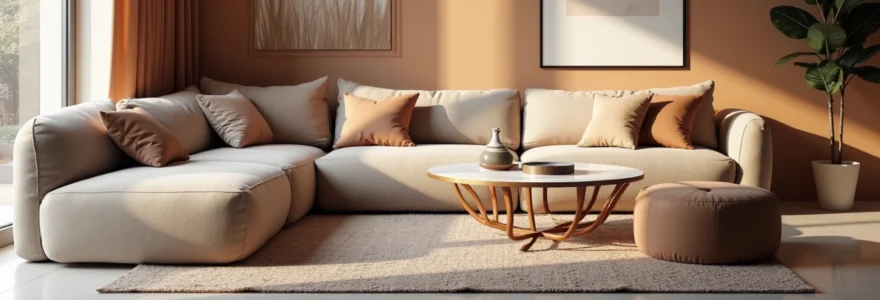
The invisible threads connecting fashion runways to living room sofas weave a complex tapestry of design influence that most people never consciously recognise. When Pantone declares a new Colour of the Year or Milan Fashion Week showcases groundbreaking textile innovations, these decisions ripple through the design world with surprising reach. Interior designers, furniture manufacturers, and even homeowners making weekend decorating choices find themselves unconsciously guided by the same aesthetic currents that drive seasonal fashion collections. This cross-pollination between personal style and spatial design represents one of the most fascinating aspects of contemporary design culture, where the boundary between what you wear and where you live becomes increasingly fluid.
Understanding this relationship offers valuable insights for anyone seeking to create cohesive, contemporary living spaces that feel both current and authentically personal. The mechanisms driving this influence operate on multiple levels, from the psychological impact of colour choices to the practical adoption of innovative materials originally developed for high-performance sportswear.
Colour psychology transference from runway to residential spaces
The journey from catwalk colour to interior paint selection follows predictable patterns rooted in human psychology and marketing dynamics. Fashion designers, working 18-24 months ahead of retail seasons, collaborate with colour forecasting agencies to identify emerging palettes that reflect cultural moods and societal shifts. These same colour predictions influence interior design trends, creating a synchronised aesthetic movement across multiple design disciplines.
Pantone fashion colour reports impact on interior paint selection
Pantone’s biannual Fashion Colour Reports serve as unofficial roadmaps for interior colour trends, with major paint manufacturers closely monitoring these releases to develop their seasonal collections. When Pantone identifies “Digital Lime” or “Classic Blue” as trending fashion colours, paint companies typically introduce complementary or directly matching hues within 6-12 months. This systematic approach ensures that consumers can achieve visual harmony between their wardrobe choices and home environments, whether consciously or subconsciously.
The practical implications extend beyond simple colour matching. Interior designers report that clients frequently request room colours that complement their existing wardrobe preferences, creating spaces that feel like natural extensions of personal style. This phenomenon explains why minimalist fashion enthusiasts often gravitate towards neutral interior palettes, while maximalist dressers tend to embrace bold, saturated room colours.
Monochromatic fashion palettes driving minimalist home aesthetics
The rise of monochromatic dressing in high fashion has significantly influenced contemporary minimalist interior design. When fashion icons adopt single-colour wardrobes or tonal dressing becomes mainstream, this aesthetic philosophy naturally extends into residential spaces. Minimalist interior schemes featuring variations of single colours—such as different shades of grey, beige, or white—mirror the sophisticated restraint found in monochromatic fashion collections.
This trend reflects deeper psychological preferences for visual calm and reduced decision fatigue. Just as monochromatic dressing simplifies morning wardrobe choices, tonal interior schemes create peaceful environments that require less visual processing. The success of Scandinavian design principles and the popularity of “greige” paint colours demonstrate how monochromatic fashion sensibilities translate directly into interior preferences.
Maximalist fashion trends influencing eclectic interior colour schemes
Conversely, maximalist fashion movements celebrating bold prints, clashing colours, and eclectic mixing inspire similarly adventurous interior approaches. When fashion weeks showcase rainbow gradients, metallic combinations, or unexpected colour pairings, interior designers and homeowners gain confidence to experiment with previously “forbidden” decorative choices. The recent popularity of jewel-toned maximalism in interiors directly correlates with fashion’s embrace of saturated colours and pattern mixing.
Research indicates that exposure to bold fashion imagery increases consumer comfort with adventurous interior choices by approximately 40%. This psychological priming effect means that fashion’s seasonal embrace of maximalism creates market demand for colourful furniture, patterned wallpapers, and eclectic decorative accessories that might otherwise seem too risky for mainstream adoption.
Seasonal fashion colour cycles affecting home décor refresh patterns
Fashion’s seasonal colour cycles have subtly trained consumers to expect regular aesthetic refreshes, influencing home decorating habits beyond traditional spring cleaning routines. The fashion industry’s autumn/winter and spring/summer colour stories create consumer awareness of seasonal palettes that extend into home décor purchasing patterns. Retailers report significant increases in warm-toned home accessories during autumn fashion season launches and corresponding spikes in fresh, light colours during spring fashion weeks.
This seasonal conditioning explains the growing popularity of easily changeable interior elements like throw pillows, artwork, and textiles that allow homeowners to update their spaces in sync with fashion’s seasonal rhythm. The “fast furniture” phenomenon, while controversial from sustainability perspectives, reflects consumer desire for interior flexibility that mirrors fashion’s seasonal renewal cycles.
Textile innovation Cross-Pollination between fashion and interior design
The technical textile revolution driving fashion innovation simultaneously transforms interior design possibilities, with developments in fabric technology crossing between industries at unprecedented speed. Advanced manufacturing techniques, sustainable material innovations, and performance fabric development originally intended for fashion applications frequently find new expressions in interior applications. This technological cross-pollination accelerates design evolution in both sectors while creating unexpected aesthetic possibilities.
Performance fabrics migration from athletic wear to upholstery applications
Technical fabrics developed for athletic wear and outdoor fashion increasingly appear in residential upholstery applications, bringing enhanced durability, stain resistance, and easy maintenance to home furnishings. Moisture-wicking properties originally designed for sportswear now appear in bedding and soft furnishings, while fabrics with antimicrobial treatments developed for active wear find applications in family-friendly furniture design.
This migration reflects changing lifestyle priorities where convenience and performance trump traditional luxury associations. Modern families value furniture fabrics that can withstand daily life demands without sacrificing aesthetic appeal. The success of solution-dyed acrylic fabrics in outdoor furniture markets has led to their adoption for indoor applications, bringing fade-resistant, easy-care benefits to living rooms and dining areas.
The boundary between technical performance and aesthetic beauty continues to blur as textile innovation accelerates across fashion and interior applications.
Sustainable fashion materials adoption in Eco-Conscious home furnishings
Environmental consciousness in fashion drives parallel movements in interior design, with sustainable materials and production methods crossing between industries. Recycled polyester fabrics, originally developed for eco-friendly fashion lines, now appear in upholstery and soft furnishing applications. Similarly, plant-based leather alternatives created for sustainable fashion find new expressions in furniture design and wall coverings.
The circular economy principles championed by sustainable fashion brands influence interior design approaches, encouraging furniture design that emphasises repairability, modular construction, and end-of-life recyclability. This philosophical alignment creates market demand for interior products that meet similar ethical standards to consumers’ fashion choices, driving innovation in sustainable manufacturing across both industries.
Luxury fashion fabric trends translating to premium soft furnishing markets
High-end fashion fabric innovations establish quality benchmarks that premium interior brands adopt to meet elevated consumer expectations. When luxury fashion houses introduce novel textile treatments, unusual fibre blends, or innovative weaving techniques, these developments typically appear in high-end furniture collections within 12-18 months. The prestige associations created by fashion applications help establish market acceptance for premium interior fabrics.
Current examples include the adoption of fashion’s metallic thread treatments in luxury curtain fabrics, the use of fashion-inspired ombré dyeing techniques in premium upholstery, and the integration of fashion’s textural innovations in high-end carpet design. These premium applications eventually filter down to mainstream interior markets, democratising luxury textile innovations across price points.
Digital textile printing techniques revolutionising custom interior fabrics
Digital printing technologies pioneered in fashion for small-batch, customised garment production now enable bespoke interior textile solutions previously impossible at reasonable costs. The same equipment producing limited-edition fashion prints can create custom wallpapers, unique upholstery fabrics, or personalised soft furnishings in quantities suitable for residential projects.
This technological convergence democratises custom interior design by making unique patterns and personalised colour schemes accessible to broader markets. Interior designers report increased client interest in custom fabrics that reflect personal style preferences rather than conforming to mass-market design standards. The ability to translate personal artwork, family photographs, or individual colour preferences into interior textiles represents a significant shift towards truly personalised living environments.
Pattern translation methodologies from garment to interior surface design
The sophisticated pattern development processes refined within fashion design translate directly into interior surface applications, bringing enhanced visual complexity and cultural resonance to residential spaces. Fashion’s expertise in scale adjustment, repeat pattern engineering, and cultural pattern interpretation provides interior designers with proven methodologies for creating compelling surface designs that work across different spatial scales and viewing distances.
Pattern translation requires understanding how designs developed for body-scaled applications adapt to architectural scales while maintaining visual impact and aesthetic coherence. Fashion’s mastery of this challenge—creating patterns that work on various garment shapes and body types—provides valuable insights for interior applications where patterns must function across different room sizes, lighting conditions, and furniture arrangements.
Contemporary wallpaper design increasingly draws inspiration from fashion’s approach to pattern placement, using strategic positioning and scale variation techniques originally developed for garment construction. The growing popularity of statement walls and accent surfaces reflects fashion’s understanding of how pattern placement can direct attention and create focal points within designed compositions.
Digital design tools originally developed for fashion pattern creation now serve interior designers seeking sophisticated pattern solutions. These technologies enable precise scale adjustments, colour variations, and pattern modifications that ensure fashion-inspired designs translate successfully to interior applications while maintaining their original aesthetic impact and cultural references.
Silhouette architecture influence on furniture form and spatial composition
Fashion’s mastery of silhouette and proportion directly influences furniture design and spatial arrangement strategies, with clothing shapes and structural elements inspiring three-dimensional interior applications. The architectural thinking required for successful garment construction—understanding how fabric behaves in space, creating pleasing proportions, and achieving functional beauty—translates remarkably well to furniture design challenges.
Structured fashion lines inspiring contemporary furniture geometry
The geometric precision of architectural fashion design, exemplified by brands focusing on structured silhouettes and clean lines, inspires contemporary furniture forms that emphasise angular geometry and precise proportions. When fashion celebrates sharp shoulders, defined waistlines, or structured volumes, furniture design responds with pieces featuring similar geometric clarity and architectural presence.
Current furniture collections reflect fashion’s renewed interest in sculptural minimalism and geometric forms. Dining tables with razor-sharp edges, seating designs that emphasise angular profiles, and storage solutions featuring architectural volumes demonstrate how fashion’s structural thinking influences three-dimensional design applications across multiple scales.
Draped garment aesthetics influencing soft furnishing design language
Fashion’s exploration of draping, gathering, and fluid fabric manipulation inspires soft furnishing designs that embrace organic curves and natural fabric behaviour. When fashion celebrates flowing silhouettes, gathered details, or asymmetrical draping, interior designers respond with curtain treatments, upholstery designs, and textile installations that capture similar aesthetic qualities.
The current popularity of curved furniture forms, organic shapes, and flowing textile installations reflects fashion’s ongoing fascination with gravity-defying draping and fluid movement. Sofa designs featuring rolled arms and curved profiles echo fashion’s embrace of soft volumes, while curtain installations using unconventional hanging methods mirror fashion’s experimental draping techniques.
Fashion proportion systems adapting to interior spatial planning
Fashion’s sophisticated understanding of proportion and scale—how different elements relate to each other and to the human body—provides interior designers with proven systems for creating harmonious spatial compositions. The golden ratio applications, visual weight distribution strategies, and proportion theories refined through fashion design translate directly to room planning and furniture arrangement challenges.
Professional interior designers increasingly adopt fashion’s approach to proportion analysis when planning room layouts, furniture groupings, and decorative element placement. This systematic approach helps create interiors that feel naturally balanced and visually pleasing, borrowing fashion’s expertise in creating compositions that flatter and enhance rather than overwhelm or underwhelm.
Avant-garde fashion forms translating to statement furniture pieces
Experimental fashion design’s push into unconventional forms and unexpected structural solutions inspires furniture designers to explore similarly adventurous territory. When fashion embraces sculptural volumes, unexpected materials, or challenging construction techniques, furniture design responds with pieces that push traditional boundaries while maintaining functional integrity.
Statement furniture pieces featuring unusual forms, unexpected material combinations, or challenging construction methods often trace their inspiration to avant-garde fashion experiments. These furniture pieces serve as conversation starters and artistic focal points, bringing fashion’s experimental spirit into residential environments while demonstrating how creative risk-taking in fashion can inspire parallel innovations in interior design.
Designer collaboration networks between fashion houses and interior brands
The formal collaboration networks developing between established fashion houses and interior design brands create direct channels for aesthetic influence while establishing new market categories that blur traditional design boundaries. These partnerships leverage fashion’s brand recognition and aesthetic authority to introduce interior collections that carry authentic fashion DNA while meeting residential functionality requirements.
Major fashion houses including Hermès, Armani, and Versace have established dedicated home collections that translate their fashion philosophies into furniture, lighting, and decorative objects. These initiatives go beyond simple brand extension, representing serious design exploration that brings fashion’s material expertise, colour mastery, and cultural positioning into interior applications. The resulting products often pioneer new aesthetic directions that influence broader interior design trends.
Collaborative projects between emerging fashion designers and furniture manufacturers create experimental design laboratories where unconventional ideas can be tested across different applications. These partnerships often produce limited-edition collections that push both industries toward new aesthetic possibilities while demonstrating market viability for cross-disciplinary design approaches.
The success of fashion-interior collaborations validates consumer desire for aesthetic coherence across lifestyle categories while proving that fashion’s design expertise translates meaningfully to interior applications. These partnerships create precedents for future collaboration models while establishing new professional pathways for designers interested in working across traditional discipline boundaries.
Consumer psychology mechanisms driving Fashion-Interior style convergence
The psychological drivers behind fashion-interior style convergence operate on multiple levels, from conscious identity expression to subconscious comfort-seeking behaviours that influence design preferences across different life domains. Understanding these mechanisms reveals why certain aesthetic choices feel naturally harmonious while others create uncomfortable disconnection between personal style and living environment.
Identity coherence theory explains why individuals seek visual consistency across different aspects of their lives, including clothing choices and interior preferences. When personal style expressions align across multiple domains, individuals experience reduced cognitive dissonance and increased comfort with their aesthetic environment. This psychological mechanism drives the unconscious coordination between wardrobe preferences and interior design choices.
Social signalling through design choices operates similarly in fashion and interior contexts, with both serving as communication tools that broadcast values, aspirations, and cultural affiliations. The desire to project consistent personal brands across different social contexts motivates individuals to seek aesthetic harmony between what they wear and where they live, creating market demand for coordinated design solutions.
Aesthetic comfort zones develop through repeated exposure to preferred visual patterns, with individuals gravitating toward similar colour palettes, textures, and proportions across different design contexts. This psychological tendency explains why someone drawn to minimalist fashion aesthetics typically prefers clean, uncluttered interior environments, while maximalist dressers feel comfortable in richly decorated spaces filled with pattern and colour.
The unconscious desire for aesthetic coherence across life domains drives much of the crossover between fashion and interior design preferences.
Market research indicates that consumers increasingly view their homes as extensions of personal style rather than separate functional spaces, with 73% of millennials reporting that interior design choices reflect personal identity similarly to clothing selections. This shift in consumer psychology creates sustained demand for design solutions that enable seamless aesthetic transitions between personal style and living environment, driving continued innovation in cross-category design offerings.
The rise of social media platforms focused on lifestyle content amplifies the psychological pressure for aesthetic coherence, as individuals curate online presences that showcase both fashion and interior choices. This visibility creates additional motivation for maintaining consistent aesthetic narratives across different life domains, further strengthening the connection between fashion preferences and interior design decisions.