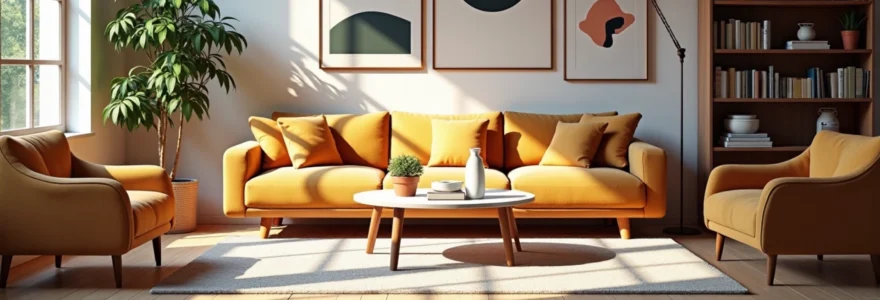
The creative world of design offers an infinite canvas for personal expression, where visual elements, cultural influences, and technological innovations converge to shape individual aesthetic sensibilities. Design exploration transcends mere visual appreciation; it becomes a profound journey of self-discovery that challenges preconceptions and expands creative horizons. Through exposure to diverse design movements, material experimentation, and cross-cultural visual languages, individuals develop a more nuanced understanding of their personal preferences and aesthetic inclinations.
Design inspiration emerges from the intersection of historical knowledge, contemporary innovation, and personal experience. As you delve deeper into the creative realm, you begin to recognise patterns in your visual preferences, understand the psychological impact of design choices, and develop a more sophisticated vocabulary for expressing aesthetic concepts. This evolution of design consciousness directly influences how you approach creative decisions in all aspects of life.
Visual hierarchy principles and cognitive design psychology
Understanding visual hierarchy principles fundamentally transforms how you perceive and create aesthetic compositions. Visual hierarchy operates through strategic manipulation of scale, colour, contrast, and positioning to guide the viewer’s attention through a designed experience. These principles mirror the way human cognition processes visual information, creating pathways that feel intuitive and emotionally resonant.
The psychology behind visual hierarchy reveals fascinating insights into human perception and preference formation. Research indicates that the human eye follows predictable patterns when scanning visual content, typically moving in Z-patterns or F-patterns depending on cultural reading habits. This knowledge empowers designers to create compositions that feel naturally comfortable while challenging conventional expectations through strategic disruption of established patterns.
Gestalt theory applications in contemporary aesthetic development
Gestalt theory provides the foundational framework for understanding how individual design elements combine to create unified aesthetic experiences. The principles of proximity, similarity, closure, and continuity influence how you perceive visual relationships and develop personal preferences for compositional arrangements. These psychological principles operate subconsciously, yet awareness of their function allows for more intentional aesthetic decision-making.
Contemporary applications of Gestalt theory extend beyond traditional graphic design into digital interfaces, spatial design, and brand identity systems. Figure-ground relationships become particularly crucial in developing sophisticated aesthetic sensibilities, as they train the eye to appreciate negative space and compositional balance. Understanding these relationships enhances your ability to create visually compelling arrangements that feel both harmonious and dynamic.
Colour temperature relationships and emotional response mechanisms
Colour temperature psychology profoundly influences aesthetic preferences and emotional responses to design compositions. Warm colours (reds, oranges, yellows) typically evoke feelings of energy, comfort, and intimacy, while cool colours (blues, greens, purples) suggest tranquillity, professionalism, and spaciousness. However, individual cultural backgrounds and personal experiences significantly modify these universal tendencies.
Advanced colour theory explores the subtle relationships between analogous, complementary, and triadic colour schemes. Each approach creates distinctly different emotional atmospheres that can be strategically employed to reinforce aesthetic intentions. Chromatic adaptation studies reveal how prolonged exposure to specific colour palettes influences subsequent aesthetic preferences, suggesting that design exploration directly shapes long-term visual sensibilities.
Typography pairing systems and legibility studies
Typography serves as the voice of visual communication, with typeface selection and pairing decisions carrying profound aesthetic and functional implications. Serif typefaces traditionally convey authority, tradition, and reliability, while sans-serif fonts suggest modernity, clarity, and accessibility. Display typefaces offer opportunities for creative expression but require careful consideration of context and readability.
Successful typography pairing relies on establishing clear hierarchical relationships through strategic contrast in weight, style, and character width. The interplay between different typefaces creates visual texture that can enhance or detract from overall aesthetic cohesion. Research in cognitive psychology demonstrates that typography choices significantly impact reading comprehension and emotional engagement, making font selection a critical component of effective design communication.
Negative space utilisation and compositional balance techniques
Negative space, often called white space, plays an equally important role to positive elements in creating sophisticated design compositions. Strategic use of negative space allows visual elements to breathe, creates emphasis through isolation, and establishes rhythmic patterns that guide viewer attention. Understanding negative space fundamentally changes how you approach compositional arrangements across all creative disciplines.
Advanced compositional balance techniques include symmetrical, asymmetrical, and radial arrangements, each creating distinctly different aesthetic experiences. Asymmetrical balance often feels more dynamic and contemporary, while symmetrical compositions convey stability and classical elegance. Mastering these techniques enables more intentional aesthetic choices that align with specific emotional or functional objectives.
Cross-disciplinary design movement analysis and personal influence
Design movements throughout history provide rich sources of aesthetic inspiration that continue to influence contemporary creative expression. Each movement emerged from specific cultural, technological, and philosophical contexts, offering unique perspectives on visual communication, functionality, and artistic expression. Understanding these historical foundations enables more informed aesthetic choices while providing vocabulary for articulating personal design preferences.
Contemporary aesthetic development benefits enormously from studying how different design movements approached similar creative challenges. The tension between form and function, the role of ornamentation, and the relationship between individual expression and collective identity remain relevant considerations in modern design practice. These historical perspectives offer frameworks for developing personal aesthetic philosophies that acknowledge tradition while embracing innovation.
Bauhaus minimalism and functional aesthetics integration
Bauhaus philosophy fundamentally transformed design thinking by proposing that form should follow function, creating aesthetic languages that prioritise clarity, efficiency, and universal accessibility. This movement eliminated unnecessary ornamentation in favour of clean lines, geometric forms, and logical spatial arrangements. The lasting influence of Bauhaus principles can be seen in contemporary minimalist design, modern architecture, and digital interface design.
Functional aesthetics integration requires balancing visual appeal with practical usability, creating designs that are both beautiful and purposeful. This approach challenges designers to find elegance in simplicity, discovering aesthetic satisfaction through thoughtful problem-solving rather than decorative excess. Less-is-more philosophy continues to resonate with contemporary audiences who appreciate authenticity and clarity in an increasingly complex visual landscape.
Japanese Wabi-Sabi philosophy in modern design applications
Wabi-sabi aesthetic philosophy embraces imperfection, transience, and natural aging as sources of beauty, offering alternative perspectives to Western ideals of perfection and permanence. This philosophy celebrates the beauty found in weathered materials, asymmetrical compositions, and the visible passage of time. Understanding wabi-sabi principles can profoundly influence personal aesthetic development by expanding definitions of beauty beyond conventional standards.
Modern applications of wabi-sabi philosophy appear in interior design, product development, and digital interfaces that embrace organic imperfections and natural materials. This aesthetic approach encourages appreciation for subtle variations, gentle aging, and the unique character that develops through use and time. Embracing imperfection as an aesthetic principle can liberate creative expression from perfectionist constraints while developing deeper appreciation for authentic character.
Scandinavian hygge principles and material selection
Hygge aesthetic principles prioritise comfort, warmth, and human-centred design, creating environments that promote wellbeing and social connection. This philosophy influences material selection, colour palettes, and spatial arrangements that feel inviting and psychologically comforting. Scandinavian design demonstrates how aesthetic choices can directly impact quality of life and emotional wellbeing.
Material selection in hygge-inspired design emphasises natural textures, warm lighting, and tactile surfaces that invite physical interaction. Wood, wool, linen, and ceramic materials create sensory experiences that feel grounding and authentic. Understanding how material choices influence emotional responses enables more intentional aesthetic decisions that support specific lifestyle objectives and personal values.
Memphis group postmodern elements and contemporary adaptation
Memphis Group design challenged modernist conventions through bold colour combinations, playful geometric forms, and decorative patterns that celebrated artistic expression over functional restraint. This movement demonstrated how design could be simultaneously serious and playful, sophisticated and accessible. Contemporary adaptations of Memphis aesthetics appear in branding, fashion, and digital design that seeks to inject personality and joy into functional objects.
Postmodern design elements encourage creative risk-taking and personal expression that breaks conventional rules in favour of individual voice and cultural relevance. Rule-breaking aesthetics can inspire more adventurous personal style development while maintaining respect for design fundamentals. Understanding when and how to challenge aesthetic conventions requires deep knowledge of traditional principles combined with confidence in personal creative judgment.
Art nouveau organic forms and digital design translation
Art Nouveau movement drew inspiration from natural forms, creating flowing lines and organic patterns that contrasted sharply with industrial aesthetics of the early 20th century. These organic forms translated beautifully into digital design through vector graphics, animation, and user interface elements that feel more human and approachable. Natural form inspiration continues to influence contemporary design across multiple disciplines.
Digital translation of organic forms requires understanding how natural patterns and proportions can be adapted to screen-based media without losing their essential character. This process involves abstracting natural elements while maintaining their emotional impact and visual flow. Successful translation creates digital experiences that feel warm, approachable, and connected to the physical world despite their technological context.
Material experimentation and tactile design methodologies
Material exploration fundamentally expands aesthetic understanding by engaging multiple senses and revealing the physical properties that influence visual perception. Different materials possess unique characteristics—texture, weight, transparency, flexibility, thermal properties—that create distinct sensory experiences and emotional associations. Understanding material behaviour enables more informed aesthetic choices that consider both visual and tactile dimensions of design.
Tactile design methodologies recognise that aesthetic appreciation extends beyond visual elements to include physical interaction and sensory engagement. Research in haptic psychology demonstrates that tactile experiences significantly influence emotional responses and memory formation. This knowledge suggests that comprehensive aesthetic development requires hands-on experimentation with diverse materials and construction techniques.
Contemporary material innovation constantly introduces new possibilities for aesthetic expression, from smart textiles that respond to environmental conditions to bio-based materials that change appearance over time. These innovations challenge traditional material categories and expand the vocabulary of aesthetic expression. Material literacy becomes increasingly important as designers navigate expanding options while considering environmental impact and long-term sustainability.
Sustainable material practices influence aesthetic choices by prioritising longevity, repairability, and environmental responsibility over disposable beauty. This shift requires developing appreciation for materials that age gracefully, can be easily maintained, and possess inherent rather than applied aesthetic qualities. Understanding the lifecycle implications of material choices adds ethical dimensions to aesthetic decision-making that reflect contemporary values and concerns.
Digital tools impact on aesthetic Decision-Making processes
Digital design tools fundamentally transform the aesthetic development process by enabling rapid experimentation, precise control, and collaborative refinement. These technologies democratise access to sophisticated design capabilities while introducing new considerations about authenticity, craftsmanship, and the relationship between process and outcome. Understanding how digital tools influence aesthetic choices helps maintain intentionality in creative decision-making.
The speed and reversibility of digital creation can encourage more adventurous aesthetic experimentation while potentially reducing appreciation for material constraints and permanence. This dynamic creates opportunities for rapid style development but may also lead to surface-level aesthetic choices that lack deeper consideration. Balancing digital efficiency with thoughtful reflection remains crucial for developing substantial personal aesthetic philosophies.
Adobe creative suite workflow integration and style development
Adobe Creative Suite provides comprehensive tools for visual experimentation across multiple media, from vector graphics and photo manipulation to video editing and three-dimensional rendering. Mastering these tools enables rapid exploration of aesthetic possibilities while maintaining professional quality standards. The integration between different Adobe applications supports cohesive style development across various design disciplines.
Workflow integration allows designers to move seamlessly between conception, refinement, and production phases while maintaining aesthetic consistency. Non-destructive editing techniques encourage experimental approaches by allowing easy revision of creative decisions. Understanding advanced features like blend modes, adjustment layers, and smart objects enables more sophisticated aesthetic manipulation while preserving creative flexibility throughout the design process.
Figma collaborative features and design system evolution
Figma’s collaborative capabilities transform aesthetic development from individual practice to social process, enabling real-time feedback, shared component libraries, and collective style refinement. This collaborative approach can accelerate aesthetic learning while introducing considerations about consensus-building and maintaining creative vision within group contexts. Understanding how to leverage collaborative features while preserving individual aesthetic voice becomes increasingly important.
Design system evolution within Figma demonstrates how aesthetic consistency can be maintained across large projects while allowing for individual interpretation and adaptation. Component-based design encourages thinking about aesthetic elements as systems rather than isolated choices, promoting more cohesive and scalable aesthetic approaches. Systematic thinking influences personal aesthetic development by encouraging consideration of how individual choices contribute to larger visual narratives.
Procreate brushwork techniques and digital texture creation
Procreate enables highly personal aesthetic expression through customisable brushwork and natural drawing experiences on digital platforms. The tactile nature of stylus interaction creates more intuitive connections between intention and outcome compared to traditional computer interfaces. Understanding brush dynamics and pressure sensitivity unlocks aesthetic possibilities that bridge digital and traditional art-making processes.
Digital texture creation through Procreate allows experimentation with surface qualities that would be impossible or impractical to achieve through traditional methods. Custom brush creation enables development of unique aesthetic signatures while exploring how texture influences emotional response and visual impact. These capabilities support highly personalised aesthetic development that reflects individual creative preferences and technical exploration.
Cinema 4D rendering capabilities and visual style enhancement
Cinema 4D’s three-dimensional rendering capabilities expand aesthetic exploration into spatial design, lighting design, and material simulation that provide deeper understanding of how environmental factors influence visual perception. These tools enable creation of impossible spaces and lighting conditions that can inform aesthetic choices in two-dimensional and physical design work.
Advanced rendering techniques allow precise control over surface properties, atmospheric effects, and lighting scenarios that reveal how technical choices influence aesthetic outcomes. Understanding the relationship between technical parameters and visual results develops more sophisticated appreciation for how aesthetic effects are achieved across different media. Technical literacy enhances creative possibility by removing barriers between aesthetic vision and technical execution.
Cultural context and regional design heritage influence
Cultural context profoundly shapes aesthetic preferences through exposure to specific visual traditions, colour symbolism, and design philosophies that vary significantly across different regions and communities. Understanding these cultural influences enables more informed aesthetic choices while developing appreciation for diverse visual languages and their underlying values. Regional design heritage provides rich sources of inspiration that can inform contemporary aesthetic development.
Globalisation creates opportunities for cross-cultural aesthetic exchange while also raising questions about cultural appropriation and authentic expression. Navigating these considerations requires developing cultural sensitivity and understanding the historical contexts that shape different aesthetic traditions. Respectful engagement with diverse design heritage can significantly expand personal aesthetic vocabulary while maintaining ethical awareness.
Contemporary design practice increasingly recognises the value of indigenous knowledge systems and traditional craft techniques that offer sustainable alternatives to industrial production methods. These approaches often integrate aesthetic and functional considerations in ways that differ significantly from Western design traditions. Holistic design thinking influenced by traditional practices can lead to more integrated aesthetic philosophies that consider environmental impact, social responsibility, and long-term sustainability.
Digital platforms facilitate unprecedented access to global design traditions while also enabling local artisans to share their knowledge with international audiences. This exchange creates opportunities for hybrid aesthetic approaches that combine traditional techniques with contemporary applications. Understanding how to honour cultural sources while developing personal interpretations requires careful consideration of context, attribution, and collaborative relationships.
Personal brand development through design language evolution
Personal brand development through design language evolution represents the culmination of aesthetic exploration, where accumulated knowledge, cultural influences, and individual preferences converge into coherent visual identities. This process requires synthesising diverse influences while maintaining authentic personal expression that reflects individual values, experiences, and creative objectives. Successful personal brand development balances consistency with flexibility, allowing for growth while maintaining recognisable aesthetic characteristics.
Design language evolution occurs through continuous refinement of aesthetic choices based on feedback, changing contexts, and developing understanding of effective visual communication. This iterative process requires regular evaluation of current aesthetic approaches while remaining open to new influences and changing personal priorities. Adaptive consistency enables personal brands to evolve while maintaining core aesthetic principles that provide continuity and recognition.
Authentic personal aesthetic development resists trend-following in favour of deep exploration of individual preferences, cultural background, and creative objectives. This authenticity emerges through sustained practice, experimentation, and reflection rather than imitation of external aesthetic models. Developing confidence in personal aesthetic judgment requires willingness to make choices that may not align with current trends while maintaining awareness of contemporary design contexts.
The relationship between personal aesthetic development and professional success depends on finding authentic expression that resonates with intended audiences while maintaining individual creative integrity. This balance requires understanding target audience preferences while refusing to compromise essential personal values or aesthetic principles. Successful integration of personal and professional aesthetic considerations creates distinctive visual approaches that feel both authentic and strategically effective.