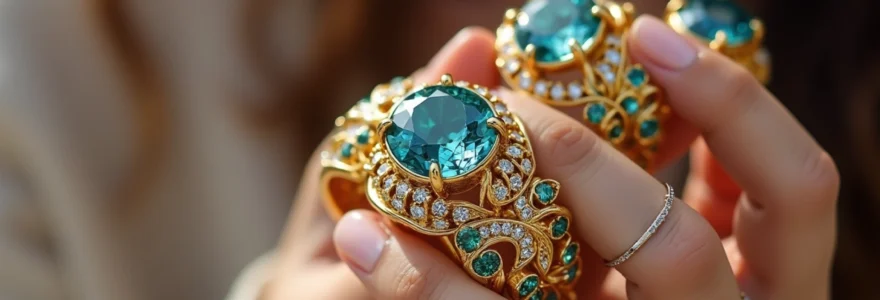
Designer jewellery transcends mere ornamentation, serving as a sophisticated language of personal expression that speaks volumes before you utter a single word. The carefully crafted pieces from renowned ateliers possess an extraordinary ability to transform not only your appearance but also your entire presence, creating an aura of refinement and distinction that sets you apart from the crowd. When you invest in designer jewellery, you’re acquiring more than precious metals and gemstones—you’re curating a visual narrative that reflects your taste, values, and unique aesthetic sensibility.
The transformative power of designer jewellery lies in its meticulous attention to detail, superior craftsmanship, and innovative design philosophy that elevates even the simplest ensemble into something truly remarkable. Each piece carries the legacy of centuries-old techniques combined with contemporary artistry, resulting in wearable sculptures that enhance your natural beauty whilst making a definitive statement about your personal style. Whether you choose a delicate pair of diamond studs or a bold statement necklace, designer jewellery possesses the remarkable ability to amplify your confidence and express your individuality in ways that mass-produced accessories simply cannot achieve.
Artisanal craftsmanship techniques in contemporary designer jewellery
The foundation of exceptional designer jewellery rests upon centuries-old artisanal techniques that have been refined and perfected by master craftsmen. These traditional methods, combined with modern innovations, create pieces that possess both timeless appeal and contemporary relevance. The meticulous attention to detail evident in every aspect of designer jewellery construction sets these pieces apart from their mass-produced counterparts, resulting in heirloom-quality treasures that can be passed down through generations.
Hand-forged metalwork and traditional goldsmithing methods
Hand-forged metalwork represents the pinnacle of jewellery craftsmanship, where skilled artisans shape precious metals using traditional tools and techniques passed down through generations. This painstaking process involves heating, hammering, and meticulously forming each element by hand, creating unique textures and forms that cannot be replicated by machine production. The subtle variations and organic qualities inherent in hand-forged pieces contribute to their distinctive character and undeniable charm.
Traditional goldsmithing methods encompass a vast array of techniques including repoussé, chasing, and granulation, each requiring years of training to master. These ancient arts allow contemporary designers to create pieces with remarkable depth and dimension, incorporating intricate details that catch and reflect light in captivating ways. The human touch evident in every hammer mark and tool impression imbues each piece with a soul and personality that resonates with discerning collectors and connoisseurs.
Gemstone setting precision: pavé, bezel, and prong techniques
The art of gemstone setting requires exceptional skill and precision, as the security and beauty of precious stones depend entirely upon the craftsman’s expertise. Pavé setting involves placing numerous small diamonds or gemstones closely together, creating a continuous surface of sparkle that resembles a cobbled street paved with precious stones. This technique demands incredible patience and accuracy, as each stone must be perfectly aligned and secured whilst maintaining the overall harmony of the design.
Bezel and prong settings each offer distinct advantages and aesthetic qualities that skilled craftsmen leverage to enhance the natural beauty of gemstones. Bezel settings provide maximum security by surrounding the stone with a protective metal rim, whilst creating a sleek, contemporary appearance that appeals to modern sensibilities. Prong settings, conversely, maximise light exposure to the gemstone whilst maintaining an elegant, classic appearance that has remained popular for centuries. The choice of setting technique significantly impacts both the visual appeal and practical wearability of designer pieces.
Lost-wax casting processes for intricate design elements
Lost-wax casting enables designers to create extraordinarily complex and detailed pieces that would be impossible to achieve through traditional metalworking alone. This ancient technique involves creating a detailed wax model of the desired piece, encasing it in investment plaster, then melting away the wax to leave a precise cavity for molten metal. The resulting castings can incorporate intricate undercuts, delicate filigree work, and complex three-dimensional forms that showcase the designer’s artistic vision.
Modern refinements to the lost-wax process have expanded creative possibilities whilst maintaining the technique’s fundamental integrity. Computer-aided design and 3D printing technologies now allow for the creation of incredibly precise wax models, enabling designers to push the boundaries of what’s possible whilst ensuring consistent quality and fit. This marriage of ancient technique and modern technology exemplifies how contemporary designer jewellery maintains its connection to traditional craftsmanship whilst embracing innovation.
Surface finishing treatments: rhodium plating and brushed textures
Surface finishing treatments play a crucial role in determining the final appearance and durability of designer jewellery pieces. Rhodium plating, a process involving the application of a thin layer of this precious metal from the platinum family, enhances both the appearance and longevity of white gold and silver pieces. This treatment creates an exceptionally brilliant, mirror-like finish whilst providing excellent tarnish resistance and hypoallergenic properties that ensure comfortable wear for sensitive skin types.
Brushed textures and other decorative finishes add visual interest and tactile appeal to designer pieces, creating surfaces that interact beautifully with light whilst providing pleasing contrasts to polished elements. These techniques range from subtle satin finishes to dramatic hammered textures, each contributing to the overall character and personality of the piece. The skillful application of various finishing techniques allows designers to create jewellery that engages multiple senses and maintains visual interest from every angle.
Luxury brand heritage and signature design aesthetics
The most prestigious jewellery houses possess rich histories spanning centuries, during which they’ve developed distinctive design languages that instantly identify their creations. These established brands combine traditional craftsmanship with innovative design philosophy, creating instantly recognisable pieces that carry the weight of their illustrious heritage. Understanding the signature aesthetics of renowned jewellery houses enhances your appreciation for their artistry whilst helping you select pieces that align with your personal style preferences.
The most coveted designer pieces are those that seamlessly blend historical significance with contemporary relevance, creating timeless treasures that transcend fleeting fashion trends.
Cartier’s panthère collection: sculptural animal motifs in high jewellery
Cartier’s iconic Panthère collection exemplifies the house’s mastery of sculptural jewellery design, transforming the sleek feline form into breathtaking wearable art. The panther motif first appeared in Cartier’s designs during the early 20th century and has since evolved into one of the most recognisable symbols in luxury jewellery. Each Panthère piece requires exceptional technical skill to capture the animal’s fluid grace and predatory elegance in precious metals and gemstones.
The collection showcases Cartier’s ability to balance realistic representation with artistic interpretation, creating pieces that are both zoologically accurate and aesthetically stunning. From delicate panther head rings adorned with emerald eyes to dramatic full-body brooches encrusted with diamonds, each piece demonstrates the house’s commitment to exceptional craftsmanship and innovative design. The Panthère collection appeals to collectors who appreciate both artistic excellence and the symbolic power of this magnificent predator.
Tiffany & co.’s setting innovation: Six-Prong diamond engagement legacy
Tiffany & Co.’s revolutionary six-prong setting, introduced in 1886, fundamentally transformed the engagement ring landscape and established the house as the premier destination for bridal jewellery. This innovative mounting elevates the diamond above the band, allowing maximum light to enter the stone from all angles whilst creating the illusion of a larger, more brilliant gem. The setting’s elegant simplicity has made it the most copied engagement ring design in history, yet no imitation matches the precision and quality of authentic Tiffany craftsmanship.
The enduring popularity of the Tiffany setting demonstrates how thoughtful design innovation can create lasting impact that transcends generations. This iconic mounting continues to represent the pinnacle of engagement ring excellence, chosen by couples who value both tradition and innovation. The setting’s ability to enhance the natural beauty of any diamond whilst maintaining structural integrity exemplifies Tiffany’s commitment to both aesthetic excellence and practical functionality.
Bulgari’s serpenti line: Byzantine-Inspired coiled bracelet architecture
Bulgari’s Serpenti collection draws inspiration from ancient Roman and Byzantine art, transforming the serpent symbol into sophisticated contemporary jewellery that celebrates the eternal cycle of renewal and transformation. The collection’s signature coiled bracelet watches demonstrate the house’s ability to merge functional timekeeping with high jewellery artistry, creating pieces that serve multiple purposes whilst maintaining aesthetic coherence. Each Serpenti piece requires exceptional technical expertise to achieve the fluid, organic curves that characterise the serpent’s form.
The architectural complexity of Serpenti bracelets involves intricate articulation systems that allow the piece to move naturally with the wearer’s wrist whilst maintaining structural integrity. This technical achievement, combined with Bulgari’s distinctive use of vibrant coloured gemstones and bold design elements, creates jewellery that makes an unmistakable statement about the wearer’s confidence and appreciation for Italian design excellence. The collection appeals to individuals who embrace both historical symbolism and contemporary luxury.
Van cleef & arpels’ mystery setting: invisible gemstone mounting technique
Van Cleef & Arpels’ patented Mystery Setting technique represents one of the most challenging achievements in contemporary jewellery craftsmanship, creating the illusion that gemstones are suspended in space without visible means of support. This extraordinary technique, developed in the 1930s, involves precise cutting and mounting of gemstones using an invisible grid system that secures each stone whilst maintaining the overall design’s visual flow. The result is jewellery that appears to defy the laws of physics whilst showcasing the natural beauty of precious stones.
The Mystery Setting requires exceptional skill and patience, as each stone must be individually calibrated and fitted to create seamless surfaces of colour and brilliance. This technique has become synonymous with Van Cleef & Arpels’ commitment to innovation and artistic excellence, producing pieces that blur the boundaries between jewellery and fine art. The setting’s ability to transform ordinary mounting techniques into extraordinary visual experiences exemplifies how technical mastery can elevate jewellery design to new heights of artistic achievement.
Premium materials and gemological properties
The selection of premium materials forms the foundation upon which exceptional designer jewellery is built, with each component carefully chosen for its beauty, rarity, and symbolic significance. Understanding the properties and characteristics of these precious materials enhances your appreciation for the craftsmanship involved whilst helping you make informed decisions when building your collection. The quality and provenance of materials used in designer pieces significantly impact both their aesthetic appeal and long-term value.
Conflict-free diamond certification and GIA grading standards
Ethical sourcing has become increasingly important in contemporary jewellery, with reputable designers ensuring their diamonds are conflict-free and responsibly mined. The Kimberley Process Certification Scheme provides assurance that diamonds have not been used to finance armed conflict, whilst additional certifications from organisations like the Responsible Jewellery Council offer enhanced transparency regarding environmental and social responsibility. These certifications allow conscious consumers to enjoy their precious jewellery without compromising their values.
The Gemological Institute of America (GIA) grading system provides the industry standard for diamond quality assessment, evaluating each stone according to the famous Four Cs: Cut, Colour, Clarity, and Carat weight. This comprehensive grading system ensures consistency and transparency in diamond valuation, allowing buyers to make informed decisions based on objective criteria. Understanding GIA grading standards empowers you to select diamonds that offer the best combination of beauty and value for your specific preferences and budget .
Rare earth elements: tanzanite scarcity and paraiba tourmaline value
Certain gemstones derive their exceptional value from their extreme rarity and limited geographical sources, making them particularly coveted by collectors and connoisseurs. Tanzanite, found exclusively in a small mining area near Mount Kilimanjaro in Tanzania, exhibits a unique blue-violet colour that changes appearance under different lighting conditions. The gemstone’s single source location and depleting reserves have made high-quality tanzanite increasingly scarce, driving prices to remarkable levels and ensuring its status as a true collector’s stone.
Paraiba tourmalines, discovered in Brazil in the 1980s and later found in Nigeria and Mozambique, display an electric blue-green colour unlike any other gemstone due to their copper content. The most valuable specimens exhibit intense neon colours that seem to glow from within, commanding prices that rival those of fine diamonds and rubies. The rarity and distinctive beauty of these exceptional gemstones make them ideal choices for creating truly unique designer pieces that express sophisticated taste and appreciation for geological marvels .
Precious metal alloy compositions: 18K gold variations and platinum purity
The composition of precious metal alloys significantly affects both the appearance and durability of designer jewellery, with different formulations offering distinct advantages for various applications. 18-karat gold, containing 75% pure gold mixed with other metals, provides an ideal balance of purity, durability, and workability for fine jewellery creation. The choice of alloying metals determines the final colour, with copper creating rose gold’s romantic warmth, palladium producing white gold’s contemporary coolness, and silver maintaining yellow gold’s traditional richness.
Platinum’s exceptional purity, typically 90-95% in jewellery applications, offers unparalleled durability and hypoallergenic properties that make it ideal for engagement rings and other pieces intended for daily wear. The metal’s natural white colour never fades or requires re-plating, whilst its density creates a substantial feel that many collectors associate with luxury and quality. Platinum’s rarity—30 times rarer than gold—and the specialised skills required for working with this challenging metal contribute to its premium pricing and prestigious status in fine jewellery.
Cultured pearl grading: akoya, south sea, and tahitian classifications
Cultured pearls represent one of nature’s most remarkable collaborative achievements between human intervention and natural processes, with different varieties offering distinct characteristics that appeal to various aesthetic preferences. Akoya cultured pearls, primarily from Japan, are prized for their exceptional roundness, mirror-like lustre, and classic white colour that epitomises pearl elegance. These gems typically range from 6-9mm in diameter and display the sharp, reflective quality that has made them the standard for traditional pearl jewellery.
South Sea and Tahitian cultured pearls represent the pinnacle of pearl cultivation, with sizes often exceeding 10mm and exhibiting extraordinary depth of colour and lustre. South Sea pearls, cultivated in Australian and Philippine waters, display colours ranging from pristine white to rich golden hues, whilst Tahitian pearls offer an exotic palette of dark colours from peacock green to aubergine purple. The substantial size and unique colours of these premium cultured pearls make them ideal for creating dramatic statement pieces that showcase sophisticated taste and appreciation for natural beauty .
Personal style curation through designer statement pieces
Curating a personal collection of designer statement pieces requires thoughtful consideration of your lifestyle, aesthetic preferences, and the message you wish to convey through your jewellery choices. Statement pieces serve as the focal points of your ensemble, commanding attention whilst expressing your unique personality and refined taste. The key to successful curation lies in selecting pieces that complement your existing wardrobe whilst adding distinctive elements that set you apart from conventional styling choices.
Consider how different types of statement pieces can transform your appearance for various occasions and settings. A bold cocktail ring might serve as the perfect conversation starter at evening events, whilst an architectural necklace could elevate your professional attire and demonstrate your appreciation for innovative design. The most successful statement pieces are those that feel authentically connected to your personality rather than following fleeting fashion trends , ensuring your investment remains relevant and personally meaningful for years to come.
Building a cohesive collection involves understanding how different pieces interact with each other and your existing jewellery. Rather than acquiring random statement pieces, develop a strategic approach that considers colour palettes, design aesthetics, and practical wearability. This thoughtful approach ensures that each new acquisition enhances your collection’s overall impact whilst providing versatile styling options that maximise your investment’s value.
True personal style emerges when you select pieces that resonate with your authentic self rather than simply following current trends or popularity.
The emotional connection you feel towards your statement pieces plays a crucial role in how confidently and naturally you wear them. Pieces that genuinely speak to your aesthetic sensibility will always look more authentic and impactful than those chosen solely for their prestige or perceived value. Trust your instincts when evaluating potential additions to your collection, as your genuine enthusiasm for a piece will translate into more confident and compelling personal presentation.
Consider the versatility
of statement pieces when building your collection, as the most valuable acquisitions serve multiple purposes across different occasions and styling preferences. A well-chosen statement necklace, for instance, might transition seamlessly from boardroom presentations to evening galas, whilst a distinctive pair of earrings could complement both casual weekend attire and formal dinner engagements. This versatility ensures that your investment provides maximum value whilst reducing the need for numerous single-purpose pieces.
Consider how your lifestyle influences the practicality of different statement pieces, as even the most beautiful jewellery loses its impact if it remains unworn due to impractical design elements. Pieces that require constant adjustment or feel uncomfortable during extended wear may not provide the confidence boost that makes statement jewellery so powerful. The most successful statement pieces enhance rather than hinder your natural movement and daily activities whilst maintaining their visual impact.
Investment value and authentication protocols for designer jewellery
Designer jewellery represents a significant financial investment that extends beyond mere personal enjoyment, often appreciating in value over time when properly selected and maintained. Understanding the factors that influence long-term value retention helps ensure your collection serves as both a source of personal satisfaction and a sound financial decision. The most valuable pieces typically combine exceptional craftsmanship, prestigious brand heritage, rare materials, and timeless design elements that transcend fleeting fashion trends.
Provenance documentation plays a crucial role in establishing and maintaining the value of designer pieces, with original certificates of authenticity, purchase receipts, and service records providing essential verification of legitimacy. These documents should be carefully preserved and updated whenever professional cleaning, repairs, or appraisals occur. Insurance appraisals should be updated every three to five years to reflect current market values and ensure adequate coverage protection for your investment.
Authentication protocols have become increasingly sophisticated as counterfeit jewellery has grown more convincing, making professional verification essential for high-value acquisitions. Authorised dealers provide the highest level of authenticity assurance, whilst independent gemological laboratories can verify stones and materials when purchasing from secondary sources. Serial numbers, hallmarks, and construction details serve as key indicators of authenticity that experienced professionals can evaluate to confirm genuine designer pieces.
The most astute collectors understand that designer jewellery appreciation depends not only on brand prestige but also on the piece’s rarity, condition, and historical significance within the designer’s body of work.
Market trends significantly influence the investment potential of different designers and styles, with certain houses consistently outperforming others in terms of value retention and appreciation. Vintage pieces from established houses often command premium prices due to their historical significance and limited availability, whilst contemporary pieces from emerging designers may offer growth potential for forward-thinking collectors. Understanding these market dynamics helps inform acquisition decisions that balance personal enjoyment with investment considerations.
Professional appraisals provide objective assessments of your collection’s current value whilst identifying pieces with particular investment potential or insurance concerns. Qualified appraisers examine construction quality, material authenticity, design significance, and market conditions to provide comprehensive valuations that serve multiple purposes. Regular professional evaluations ensure your collection remains properly insured whilst helping you make informed decisions about future acquisitions or disposals.
Sustainable luxury practices in high-end jewellery manufacturing
Sustainability has emerged as a defining characteristic of responsible luxury, with leading jewellery houses implementing comprehensive environmental and social responsibility programmes that address every aspect of production and sourcing. Modern consumers increasingly demand transparency regarding the origins of their precious materials and the environmental impact of manufacturing processes. This shift has prompted innovative approaches to traditional craftsmanship that maintain quality standards whilst minimising ecological footprint and supporting community development.
Recycled precious metals now constitute a significant portion of materials used by environmentally conscious designers, reducing the need for new mining activities whilst maintaining the purity and quality required for fine jewellery. Advanced refining techniques can restore recycled gold and platinum to their original purity levels, making them indistinguishable from newly mined materials in terms of performance and appearance. This approach significantly reduces energy consumption and environmental disruption associated with traditional mining operations.
Ethical sourcing initiatives extend beyond conflict-free certification to encompass fair labour practices, community development programmes, and environmental restoration projects in mining regions. Leading luxury houses often work directly with mining communities to ensure workers receive fair compensation whilst implementing educational and healthcare programmes that provide lasting benefits. These comprehensive approaches create positive social impact that extends far beyond the immediate transaction, contributing to sustainable development in regions that supply precious materials.
Laboratory-grown gemstones represent another significant advancement in sustainable luxury, offering identical chemical, physical, and optical properties to natural stones whilst eliminating the environmental impact of traditional mining. These scientifically created gems allow designers to access rare colours and exceptional clarity levels that would be prohibitively expensive in natural stones, whilst providing consumers with ethical alternatives that maintain aesthetic and emotional appeal. The choice between natural and laboratory-grown stones increasingly reflects personal values regarding environmental responsibility rather than quality or beauty considerations.
Circular economy principles are being integrated into luxury jewellery business models, with houses offering take-back programmes, refurbishment services, and material recycling initiatives that extend product lifecycles indefinitely. These programmes allow customers to update or transform existing pieces rather than purchasing entirely new items, whilst ensuring precious materials remain in productive use rather than languishing in rarely-worn collections. This approach aligns luxury consumption with environmental consciousness without compromising aesthetic satisfaction or emotional significance.
Innovation in packaging and presentation has also embraced sustainability principles, with luxury houses developing beautiful yet environmentally responsible alternatives to traditional materials. Recycled papers, biodegradable plastics, and reusable presentation boxes maintain the premium unboxing experience whilst reducing environmental impact. These seemingly minor details reflect the comprehensive approach required for meaningful sustainability implementation across all aspects of luxury jewellery operations.