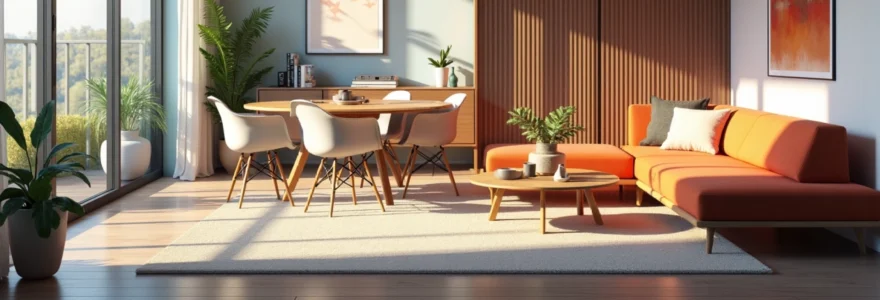
The spaces we inhabit possess an extraordinary capacity to shape our thoughts, emotions, and behaviours in ways that often operate beneath our conscious awareness. Our homes, as our most intimate environments, serve as powerful psychological landscapes that can either enhance or diminish our wellbeing, productivity, and overall quality of life. The emerging field of design psychology reveals how carefully orchestrated elements within our living spaces—from the colours adorning our walls to the arrangement of furniture and the quality of light streaming through our windows—create profound neurological and emotional responses that influence our daily experiences.
Understanding these psychological principles enables us to transform our homes into environments that actively support our mental health, cognitive performance, and emotional resilience. Rather than treating interior design as merely an aesthetic pursuit, we can harness evidence-based approaches that acknowledge the deep connection between our physical surroundings and our psychological states. This scientific understanding of environmental psychology opens new possibilities for creating homes that function as sanctuaries of wellbeing, productivity enhancers, and spaces that truly reflect and support who we aspire to be.
Colour psychology and neurological responses in residential interior design
The psychological impact of colour extends far beyond simple aesthetic preference, involving complex neurological processes that directly influence mood, cognition, and behaviour. When we encounter specific colours in our home environment, our brains process these visual stimuli through sophisticated neural pathways that trigger measurable physiological responses. Research in environmental psychology demonstrates that colour choices in residential spaces can significantly affect stress hormone levels, heart rate variability, and even immune system function, making colour selection a critical component of health-conscious home design.
The mechanism behind colour psychology involves the activation of specific regions within the visual cortex and limbic system, which then communicate with areas responsible for emotional regulation and autonomic nervous system responses. Cool colours such as blues and greens typically activate parasympathetic nervous system responses, promoting relaxation and reducing cortisol levels, whilst warm colours like reds and oranges stimulate sympathetic responses that can increase alertness and energy levels. This neurological understanding provides a scientific foundation for making informed colour decisions that align with the intended function and emotional tone of each room in your home.
Wavelength theory and cortical activation patterns in home environments
The science of wavelength theory reveals why certain colours produce consistent psychological effects across diverse populations. Shorter wavelengths, corresponding to blues and purples, require less energy for the eye to process and often create calming effects by reducing visual strain and promoting alpha brain wave activity associated with relaxation states. Longer wavelengths, such as reds and oranges, demand more visual processing energy and can stimulate beta brain waves linked to alertness and active thinking. Understanding these wavelength relationships allows you to strategically employ colours that support specific activities and moods throughout your home.
Chromatic temperature effects on circadian rhythm regulation
Colour temperature plays a crucial role in supporting your body’s natural circadian rhythms, with cooler colour palettes helping to maintain healthy sleep-wake cycles whilst warmer tones can disrupt melatonin production if used inappropriately in bedroom environments. Research indicates that incorporating cooler blues and greens in bedrooms can improve sleep quality by supporting the natural production of melatonin, whilst warmer colours in morning-use spaces like kitchens and breakfast areas can help stimulate cortisol production and promote wakefulness. This understanding enables you to create colour schemes that work harmoniously with your body’s biological rhythms rather than against them.
Cultural colour associations and Cross-Cultural design applications
Whilst certain colour responses appear to be universal due to evolutionary and biological factors, cultural associations with specific colours add layers of meaning that can enhance or complicate psychological responses in home environments. Western cultures typically associate white with purity and cleanliness, making it an excellent choice for bathrooms and kitchens, whilst Eastern traditions may view white as associated with mourning, potentially creating different emotional responses. Understanding these cultural nuances becomes particularly important in multicultural households or when designing spaces that accommodate diverse cultural backgrounds and preferences.
Evidence-based colour schemes for enhanced cognitive performance
Scientific research has identified specific colour combinations that can measurably improve cognitive performance, memory retention, and creative thinking within home environments. Studies demonstrate that moderate contrasts between wall colours and furnishings enhance focus and reduce eye strain, whilst overly high contrasts can create visual fatigue and reduce concentration over time. Home offices benefit from colour schemes that incorporate soft blues or greens as primary colours, with accent colours in warmer tones to prevent the space from feeling sterile or uninspiring. These evidence-based approaches enable you to create work-from-home environments that actively support productivity and mental clarity.
Spatial configuration psychology and proxemic theory in domestic architecture
The arrangement and flow of spaces within your home profoundly influences social dynamics, privacy needs, and psychological comfort through the principles of proxemic theory—the study of how spatial relationships affect human behaviour and interaction. Different individuals require varying amounts of personal space and territorial definition to feel comfortable and secure, making thoughtful spatial planning essential for creating homes that accommodate diverse personality types and lifestyle needs. Understanding proxemic principles enables you to design room layouts that naturally facilitate desired social interactions whilst providing adequate private retreat spaces for restoration and personal reflection.
The psychological concept of defensible space plays a crucial role in how secure and comfortable you feel within your home environment. This theory suggests that clearly defined territories and visual boundaries help create feelings of ownership and control, which directly correlate with reduced stress levels and increased satisfaction with living spaces. By incorporating elements such as furniture arrangements that create intimate conversation areas, strategic placement of personal objects to establish territorial markers, and sight lines that allow for both privacy and connection, you can design spaces that instinctively feel secure and psychologically comfortable.
Edward T. hall’s proxemic zones applied to room layout planning
Hall’s foundational research on proxemic zones—intimate, personal, social, and public distances—provides practical guidelines for furniture arrangement and room planning that support natural human comfort levels. In residential settings, intimate spaces requiring distances of 18 inches or less should be carefully planned around bedrooms and private reading nooks, whilst social zones spanning 4-12 feet work optimally for living rooms and dining areas where conversation and connection are prioritised. Understanding these natural distance preferences allows you to create room layouts that feel intuitively comfortable without requiring conscious adjustment of behaviour or positioning.
Feng shui principles and western spatial psychology integration
The ancient practice of Feng Shui shares remarkable similarities with contemporary environmental psychology research, particularly regarding energy flow, spatial harmony, and the psychological impact of object placement within living spaces. Modern research supports many traditional Feng Shui principles, such as the importance of clear pathways for reducing stress, the psychological benefits of natural elements in interior spaces, and the impact of furniture positioning on feelings of security and control. Integrating these time-tested principles with contemporary spatial psychology research creates a comprehensive approach to home design that addresses both cultural wisdom and scientific understanding.
Biophilic design elements and stress reduction mechanisms
The incorporation of natural elements into interior spaces—known as biophilic design—produces measurable stress reduction effects through multiple sensory and psychological pathways. Research demonstrates that exposure to natural materials, plant life, and nature-inspired patterns can reduce cortisol levels by up to 15% within just 15 minutes of exposure, whilst also improving cognitive function and creative problem-solving abilities. Natural textures such as wood grains, stone surfaces, and organic patterns activate evolutionary responses that promote feelings of safety and wellbeing, making these elements particularly valuable in high-stress areas of the home such as home offices or spaces used for relaxation and restoration.
Flow theory and circulation pattern optimisation
The psychological concept of flow—characterised by effortless concentration and optimal performance—can be supported through thoughtful circulation patterns and spatial arrangements within your home. Spaces that allow for smooth, intuitive movement between areas reduce cognitive load and decision fatigue, enabling you to focus mental energy on more meaningful activities rather than navigating awkward or confusing layouts. Optimal circulation patterns incorporate clear sight lines, logical progression between related spaces, and minimal obstacles that could interrupt natural movement patterns, creating an environment that supports rather than hinders daily routines and activities.
Gestalt principles and visual perception manipulation in home aesthetics
The application of Gestalt psychological principles in home design enables you to create visual environments that feel harmonious, balanced, and psychologically satisfying without requiring conscious analysis or adjustment. These principles—including proximity, similarity, continuity, and closure—govern how our brains organise and interpret visual information, making them powerful tools for creating spaces that feel intuitively “right” and emotionally supportive. Understanding how perception works at a fundamental level allows you to make design decisions that work with rather than against natural cognitive processing patterns.
The principle of visual grouping through proximity and similarity creates psychological comfort by reducing the cognitive effort required to process complex visual environments. When similar objects are grouped together and related elements are positioned in close proximity, your brain can efficiently categorise and understand the space without experiencing visual overwhelm or confusion. This understanding proves particularly valuable in areas like living rooms and kitchens, where multiple functional elements must coexist harmoniously whilst maintaining clear organisation that supports both aesthetic appeal and practical functionality.
Continuity and rhythm in visual design create psychological flow that mirrors the natural patterns your brain expects to encounter, reducing mental fatigue and promoting feelings of calm and order. Repetitive elements such as consistent colour schemes, repeated shapes or patterns, and rhythmic spacing of objects create predictable visual patterns that allow your mind to relax and focus on other aspects of the environment. This principle becomes particularly important in open-plan living spaces where visual continuity helps unify different functional areas whilst maintaining distinct identity for each zone.
The Gestalt principle of closure enables you to create sophisticated design effects using minimal elements, as the brain naturally completes partial visual patterns and implied shapes. This psychological tendency allows for more subtle and elegant design approaches that engage the viewer’s mind without overwhelming the senses. Strategic use of implied lines, partial geometric forms, and suggested patterns can create visual interest and depth whilst maintaining the clean, uncluttered aesthetics that support mental clarity and emotional wellbeing.
Material psychology and tactile sensory design integration
The materials we choose for our home environments communicate psychological messages through multiple sensory channels, with tactile experiences playing a particularly crucial role in emotional comfort and stress regulation. Research in environmental psychology demonstrates that different materials trigger distinct neurological responses through the somatosensory system, with natural materials generally producing more positive psychological effects than synthetic alternatives. Understanding material psychology enables you to create sensory-rich environments that support emotional wellbeing through carefully orchestrated tactile experiences.
Natural materials such as wood, stone, and natural fibres activate evolutionary responses associated with safety and comfort, as these materials represent the types of environments where humans evolved and thrived over millennia. The psychological impact of material choice extends beyond visual appeal to include thermal properties, texture variations, and even subtle scent releases that can influence mood and stress levels throughout the day. Wood surfaces, for example, have been shown to reduce sympathetic nervous system activity and lower stress hormone levels compared to metal or plastic alternatives, making them particularly valuable in frequently touched surfaces like countertops, handrails, and furniture.
The concept of textural contrast plays a crucial role in creating psychologically engaging environments that maintain interest without becoming overwhelming or chaotic. Strategic combinations of smooth and rough textures, soft and firm surfaces, and warm and cool materials create sensory variety that stimulates positive neurological responses whilst preventing the monotony that can lead to psychological fatigue. This understanding proves particularly valuable in bedrooms and relaxation spaces, where a variety of textures in bedding, furniture, and decorative elements can enhance comfort and promote restful sleep.
Temperature regulation through material selection significantly impacts psychological comfort and stress levels, as thermal discomfort can trigger stress responses that interfere with relaxation and cognitive performance. Materials with good thermal mass, such as stone or ceramic, can help moderate temperature fluctuations and create more stable, comfortable environments, whilst insulating materials like wood and natural fibres provide warmth and comfort in areas where direct contact is frequent. Understanding these thermal properties enables you to create environments that support optimal psychological states through enhanced physical comfort.
Lighting design psychology and photobiology effects on domestic wellbeing
Light serves as perhaps the most powerful environmental factor influencing psychological and physiological wellbeing within the home, directly affecting circadian rhythms, mood regulation, cognitive performance, and overall health outcomes. The emerging field of photobiology reveals how different qualities of light—including intensity, colour temperature, timing, and distribution—trigger specific biological responses that can either support or disrupt optimal psychological functioning. Understanding these light-biology interactions enables you to design lighting environments that actively promote wellbeing rather than merely providing functional illumination.
The psychological impact of lighting extends far beyond simple visibility, involving complex interactions between light exposure and neurotransmitter production, hormone regulation, and brain wave patterns. Inadequate lighting can contribute to seasonal affective disorder, disrupted sleep patterns, and decreased cognitive performance, whilst optimal lighting design can enhance mood, improve focus, and support healthy circadian rhythm regulation. This understanding makes lighting design a critical component of psychologically supportive home environments rather than an afterthought to be addressed once other design elements are in place.
Kelvin temperature ranges and mood regulation applications
The colour temperature of artificial lighting, measured in Kelvin degrees, directly influences psychological states and biological processes through its impact on circadian rhythm regulation and neurotransmitter production. Cooler light temperatures ranging from 5000-6500K promote alertness and focus by suppressing melatonin production and stimulating cortisol release, making them optimal for morning routines and work environments within the home. Conversely, warmer temperatures below 3000K support relaxation and prepare the body for sleep by allowing natural melatonin production to occur unimpeded by blue light exposure.
Circadian lighting systems and sleep quality enhancement
Dynamic lighting systems that automatically adjust colour temperature and intensity throughout the day can significantly improve sleep quality and overall wellbeing by supporting natural circadian rhythm regulation. These systems gradually shift from cooler, brighter light in the morning to progressively warmer, dimmer light in the evening, mimicking natural sunlight patterns that evolved alongside human biology over millions of years. Research indicates that homes equipped with circadian lighting systems can improve sleep onset time by an average of 23 minutes whilst increasing overall sleep efficiency and reducing symptoms of seasonal mood disorders.
Task-specific illumination and productivity psychology
Different cognitive tasks require specific lighting conditions to optimise psychological performance and reduce mental fatigue, making task-specific illumination a crucial consideration in home design. Reading and detailed work benefit from higher intensity, cooler temperature lighting that enhances contrast and reduces eye strain, whilst creative activities often flourish under warmer, more diffused lighting that promotes relaxed, associative thinking patterns. Understanding these task-lighting relationships enables you to create flexible lighting environments that adapt to different activities and cognitive needs throughout your daily routines.
Neuroarchitecture research findings and Evidence-Based home design applications
The emerging field of neuroarchitecture applies neuroscience research to architectural and interior design practices, providing evidence-based approaches for creating environments that optimally support human psychological and neurological functioning. Recent studies using brain imaging technologies reveal how specific design elements—including ceiling height, spatial proportions, natural light exposure, and material choices—produce measurable changes in brain activity patterns, stress hormone levels, and cognitive performance indicators. These findings enable homeowners to make design decisions based on scientific evidence rather than purely aesthetic preferences or cultural traditions.
Neuroimaging research demonstrates that exposure to high ceilings activates brain regions associated with creative thinking and abstract reasoning, whilst lower ceilings promote detailed, focused cognitive processing, providing scientific support for varying ceiling heights based on intended room functions. Living areas and creative spaces benefit from higher ceilings that encourage expansive thinking and social interaction, whilst bedrooms and study areas may function optimally with more intimate proportions that support concentration and relaxation. This understanding enables you to use architectural elements strategically to support specific psychological states and cognitive functions.
Recent neuroarchitecture studies reveal that exposure to natural patterns and organic geometries in home design can reduce cortisol levels by up to 25% whilst simultaneously improving cognitive performance and creative problem-solving abilities.
The integration of fractal patterns and natural geometries into home design produces measurable stress reduction effects through their impact on visual processing centers in the brain. These patterns, found throughout nature in forms such as tree branches, coastlines, and cloud formations, appear to activate neural pathways associated with relaxation and restoration. Incorporating fractal elements through wallpaper designs, textile patterns, or architectural details can create environments that promote psychological wellbeing through unconscious visual processing mechanisms.
Neuroarchitecture research also reveals the profound impact of spatial sequences and transitional areas on emotional regulation and stress management within the home environment. Gradual transitions between different functional areas—achieved through progressive changes in lighting, ceiling height, or colour temperature—allow the nervous system to adjust smoothly between different psychological states required for various activities. These transitional
zones help prevent the psychological jarring that can occur when moving abruptly between dramatically different environments, supporting emotional stability and reducing stress responses throughout daily routines.
Contemporary research in neuroarchitecture has identified specific design ratios and proportions that activate regions of the brain associated with pleasure and satisfaction, providing objective criteria for creating aesthetically pleasing environments that also support psychological wellbeing. The golden ratio (1.618:1) appears frequently in nature and consistently produces positive neurological responses when incorporated into architectural proportions, furniture dimensions, and spatial relationships within the home. These mathematical relationships seem to align with innate cognitive processing patterns, creating environments that feel inherently harmonious and psychologically satisfying without requiring conscious analysis or adjustment.
Advanced neuroimaging studies reveal that exposure to curved architectural elements activates the brain’s reward centers more strongly than angular or linear designs, suggesting evolutionary preferences for organic forms that signal safety and comfort. Incorporating curved elements through archways, rounded furniture edges, or flowing architectural details can create unconscious positive associations that enhance overall satisfaction with living spaces. This research provides scientific validation for design intuitions that have guided human architectural preferences across cultures and throughout history.
The implications of neuroarchitecture research extend to understanding how different age groups and neurological profiles respond to various design elements, enabling more inclusive and responsive home design approaches. Children’s developing brains show heightened responses to colour saturation and visual complexity, whilst aging adults benefit from simpler visual environments that reduce cognitive load and support wayfinding. Neurodivergent individuals often require specific environmental modifications—such as reduced visual clutter, controlled acoustic environments, and predictable spatial organization—that neuroarchitecture research is beginning to quantify and standardize. These findings enable families to create homes that truly accommodate the diverse neurological needs of all occupants, promoting wellbeing across different developmental stages and cognitive profiles.
Perhaps most significantly, neuroarchitecture research demonstrates that thoughtfully designed home environments can actually promote neuroplasticity and cognitive resilience over time. Environments that provide optimal levels of visual complexity, natural light exposure, and spatial variety appear to support the brain’s capacity for adaptation and learning throughout the lifespan. This understanding transforms home design from a static aesthetic pursuit into a dynamic tool for supporting cognitive health and psychological development, making evidence-based design choices an investment in long-term mental and neurological wellbeing.
The convergence of neuroscience and interior design represents a paradigm shift in how we understand and create our living environments. By applying these research findings to home design decisions—from selecting paint colours based on wavelength theory to arranging furniture according to proxemic principles—we can create spaces that actively support our psychological and neurological health rather than merely providing shelter and aesthetic pleasure. This scientific approach to home design empowers us to make informed decisions that enhance our daily experiences and contribute to our long-term wellbeing, transforming our homes into environments that truly nurture human flourishing at the most fundamental biological and psychological levels.