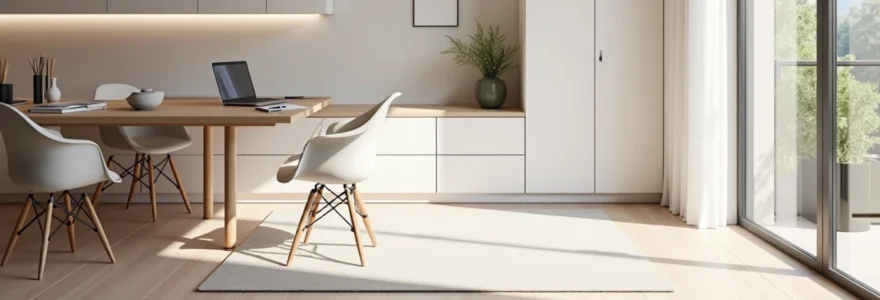
In an era where visual overwhelm has become the norm, minimalist aesthetics emerge as a powerful antidote to the chaos of modern living. This design philosophy extends far beyond mere visual appeal, offering a transformative approach to how you interact with your environment. The intentional reduction of visual noise creates spaces that actively support mental clarity, emotional well-being, and enhanced productivity. Research consistently demonstrates that simplified environments reduce cortisol levels and improve cognitive function, making minimalism not just a design choice but a wellness strategy.
The psychological benefits of minimalist living extend into every aspect of daily life, from improved sleep quality in uncluttered bedrooms to enhanced focus in streamlined workspaces. When you strip away the unnecessary, what remains carries greater significance and purpose. This principle of conscious curation applies equally to physical possessions, digital environments, and lifestyle choices, creating a holistic approach to simplicity that can fundamentally transform your quality of life.
Core principles of minimalist design philosophy and their psychological impact
The foundation of minimalist aesthetics rests upon several interconnected principles that work synergistically to create environments conducive to mental wellness. Understanding these core concepts enables you to apply minimalist thinking beyond surface-level decluttering, creating spaces that actively support your psychological well-being and lifestyle goals.
Wabi-sabi aesthetics and the art of imperfect simplicity
The Japanese philosophy of wabi-sabi celebrates the beauty found in imperfection, impermanence, and incompleteness. When applied to minimalist interiors, this concept encourages you to embrace natural materials that age gracefully, creating spaces that evolve organically over time. A weathered wooden table or handcrafted ceramic bowl carries stories and character that mass-produced perfection cannot match. This acceptance of imperfect beauty reduces the pressure to maintain pristine environments, allowing for more relaxed and authentic living.
Incorporating wabi-sabi principles into your minimalist space means selecting items that improve with age and use. Natural stone surfaces develop patina, leather furniture softens and moulds to your body, and live-edge wood tables showcase unique grain patterns. These elements create visual interest without relying on excessive decoration, supporting the minimalist principle of quality over quantity whilst adding warmth and humanity to simplified spaces.
Scandinavian lagom philosophy: balanced living through moderation
The Swedish concept of lagom, meaning “just the right amount,” provides practical guidance for achieving minimalist balance without falling into stark austerity. This philosophy encourages thoughtful consumption and the careful curation of possessions based on genuine need and lasting value. Lagom-inspired minimalism recognises that true contentment comes from having neither too little nor too much, but rather the perfect amount for your specific circumstances and lifestyle requirements.
Implementing lagom principles involves regular assessment of your possessions and their relevance to your current life phase. This might mean keeping three high-quality jumpers instead of a wardrobe full of mediocre options, or maintaining just enough kitchen equipment to support your actual cooking habits. The lagom approach prevents minimalism from becoming an extreme that creates inconvenience, instead fostering a sustainable equilibrium between simplicity and functionality.
Japanese ma concept: strategic use of negative space in interior design
The concept of ma represents the purposeful use of emptiness and pause in design, recognising that negative space carries as much importance as occupied areas. In minimalist interiors, ma manifests as breathing room around furniture, unadorned wall expanses, and deliberate gaps in arrangements. This strategic emptiness allows the eye to rest and the mind to process, creating a sense of calm that cluttered environments cannot achieve.
Applying ma principles requires you to resist the urge to fill every available surface or corner. Instead, view empty space as an active design element that enhances the impact of what you choose to display. A single piece of artwork on an otherwise bare wall commands attention and appreciation in ways that a gallery wall cannot. This intentional restraint transforms your living space into a sanctuary where each element can be truly seen and appreciated.
Cognitive load theory applied to visual environment design
Cognitive load theory explains how our brains process information and the mental energy required for different tasks. Cluttered environments increase cognitive load by forcing your brain to continuously process irrelevant visual information, leading to mental fatigue and decreased performance. Minimalist design reduces this cognitive burden by eliminating unnecessary visual stimuli, allowing your mind to focus on what matters most.
Research indicates that people working in simplified environments show improved concentration, enhanced creativity, and reduced stress responses. By applying cognitive load principles to your living and working spaces, you create environments that actively support mental performance rather than hindering it. This scientific backing provides compelling justification for minimalist choices, demonstrating that visual simplicity delivers measurable benefits for productivity and well-being.
Biophilic minimalism: integrating natural elements with reductive design
Biophilic design recognises humans’ innate connection to nature and the psychological benefits of incorporating natural elements into built environments. When combined with minimalist principles, biophilic elements provide texture, colour, and life without creating clutter. A single thriving plant, natural light streaming through unobstructed windows, or the sound of water from a simple fountain can transform a stark space into a nurturing environment.
The key to successful biophilic minimalism lies in selecting natural elements that serve multiple purposes and require minimal maintenance. Architectural plants like snake plants or rubber trees provide air purification alongside visual appeal. Natural materials such as stone, wood, and bamboo introduce organic textures whilst maintaining the clean lines essential to minimalist aesthetics. This approach ensures that your connection to nature enhances rather than complicates your simplified lifestyle.
Spatial organisation techniques using minimalist architectural frameworks
Effective spatial organisation forms the backbone of successful minimalist living, requiring strategic thinking about how you use and move through your environment. Modern minimalist frameworks provide proven methodologies for creating functional, beautiful spaces that support rather than hinder your daily activities. These approaches go beyond simple decluttering to establish systems that maintain themselves over time.
Marie kondo’s KonMari method: systematic decluttering through Category-Based sorting
The KonMari Method revolutionises decluttering by focusing on categories rather than rooms, ensuring comprehensive evaluation of similar items across your entire living space. This systematic approach prevents the common mistake of simply redistributing clutter between different areas. By gathering all clothing, books, or kitchen items in one location, you gain complete visibility into your actual possessions and can make informed decisions about what to keep.
The method’s emphasis on keeping only items that “spark joy” provides an emotional framework for decision-making that transcends practical utility. This criterion helps you build a curated collection of possessions that actively contribute to your well-being rather than simply taking up space. The resulting environment contains only items that you genuinely appreciate and use, creating a personal sanctuary aligned with your values and lifestyle preferences.
Modular furniture systems: IKEA’s ALGOT and string shelving solutions
Modular furniture systems offer unparalleled flexibility for minimalist living, allowing you to adapt your storage and organisation solutions as your needs evolve. Systems like IKEA’s ALGOT series or String shelving provide building blocks that can be reconfigured, expanded, or reduced without requiring entirely new purchases. This adaptability supports the minimalist principle of investing in versatile, long-lasting solutions rather than disposable furniture.
These systems excel in their ability to grow with your changing circumstances whilst maintaining aesthetic consistency. You can start with basic components and add elements as needed, ensuring that your storage solutions never exceed your actual requirements. The clean lines and neutral finishes typical of quality modular systems integrate seamlessly with minimalist interiors, providing functional beauty that supports rather than overwhelms your living space.
Open floor plan optimisation: zoning without physical barriers
Open floor plans embody minimalist spatial principles by removing unnecessary walls and barriers, creating fluid, multifunctional environments. However, successful open-plan living requires thoughtful zoning to define different functional areas without reintroducing visual clutter. Strategic furniture placement, lighting variations, and subtle level changes can delineate spaces whilst maintaining the open, airy feeling that makes these layouts so appealing.
Effective zoning techniques include using area rugs to define seating areas, pendant lighting to mark dining spaces, or low furniture pieces to suggest boundaries without blocking sightlines. These subtle demarcations allow you to maintain distinct functional zones whilst preserving the sense of spaciousness that open plans provide. The result is a harmonious flow between different activities and uses within a single, unified space.
Multi-functional design elements: murphy beds and convertible work stations
Multi-functional furniture represents the pinnacle of minimalist efficiency, allowing single pieces to serve multiple purposes and adapt to changing needs throughout the day. Murphy beds transform bedrooms into living spaces, whilst convertible desks shift from dining surfaces to work stations. These solutions maximise the utility of limited square footage whilst maintaining the clean, uncluttered appearance essential to minimalist aesthetics.
The key to successful multi-functional design lies in selecting pieces that transition smoothly between uses without complicated mechanisms or awkward proportions. Quality convertible furniture should feel natural in each configuration, with intuitive operation that encourages regular transformation. This seamless adaptability supports the minimalist goal of intentional living , where every element serves a clear purpose and enhances your daily experience.
Material selection strategies for sustainable minimalist interiors
The materials you choose for your minimalist interior directly impact both the aesthetic quality and environmental footprint of your living space. Sustainable material selection aligns with minimalist principles by emphasising quality, longevity, and responsible sourcing. Natural materials like reclaimed wood, bamboo, and natural stone offer durability and beauty that improve with age, supporting the minimalist preference for timeless rather than trendy choices. These materials also provide the textural interest necessary to prevent minimalist spaces from feeling cold or sterile.
When selecting materials for your minimalist home, prioritise options with low environmental impact and high durability. Bamboo flooring offers rapid renewability alongside attractive grain patterns, whilst reclaimed timber provides unique character with minimal environmental cost. Natural fibres like organic cotton, linen, and wool create comfortable, breathable textiles that age gracefully and can be easily recycled at the end of their useful life. The inherent beauty of these natural materials eliminates the need for artificial enhancements or complex treatments that might conflict with minimalist aesthetics.
Sustainable material selection also extends to consideration of local sourcing and traditional craftsmanship techniques. Locally quarried stone or regionally produced ceramics reduce transportation impacts whilst supporting local economies. Traditional making methods often produce items with superior longevity compared to mass-manufactured alternatives, aligning with minimalist preferences for quality over quantity. This approach creates interiors that reflect both environmental consciousness and appreciation for skilled craftsmanship, values that resonate strongly with mindful minimalist living .
Colour psychology and monochromatic palette implementation
Colour psychology reveals how different hues affect mood, energy levels, and cognitive performance, making strategic colour selection crucial for minimalist interiors designed to support well-being. Monochromatic palettes form the foundation of most successful minimalist schemes, providing visual cohesion whilst allowing subtle variations in tone and texture to create interest. Neutral colours like warm whites, soft greys, and natural beiges promote calm and focus, whilst deeper neutrals such as charcoal or mushroom can add sophistication without overwhelming the space.
The implementation of monochromatic palettes requires careful attention to undertones and light quality to avoid creating flat or lifeless environments. Cool-toned greys pair beautifully with north-facing rooms that receive indirect light, whilst warm beiges complement spaces with southern exposure and abundant sunshine. Layer different tones within your chosen colour family to create depth and visual interest—pair dove grey walls with charcoal accents and cream textiles for a sophisticated neutral scheme. This approach maintains the serene simplicity essential to minimalist aesthetics whilst providing enough variation to engage the eye.
Strategic accent colours can be introduced sparingly to add personality without compromising the minimalist aesthetic. A single piece of artwork featuring a bold colour, or a collection of plants providing natural green tones, can serve as focal points within an otherwise neutral palette. These accents should be used deliberately and sparingly, following the minimalist principle that each element must earn its place through beauty, function, or meaningful significance. The resulting spaces feel purposefully curated rather than accidentally assembled, supporting the psychological benefits of living in an intentionally designed environment.
Technology integration within minimalist living environments
The challenge of integrating necessary technology into minimalist environments requires thoughtful planning to maintain visual simplicity whilst ensuring full functionality. Modern minimalist living depends on smart technology solutions that reduce rather than increase visual clutter, supporting the principle that good design should enhance rather than complicate daily life. The goal is to harness technology’s benefits whilst maintaining the calm, uncluttered atmosphere essential to minimalist well-being.
Smart home automation: nest, philips hue, and invisible tech solutions
Smart home automation systems like Nest thermostats and Philips Hue lighting offer sophisticated functionality whilst maintaining minimal visual presence. These systems eliminate the need for multiple controls and switches, replacing them with streamlined interfaces that can be controlled remotely or through voice commands. The result is enhanced convenience without the visual complexity of traditional home management systems. Properly implemented smart home technology becomes invisible infrastructure that supports your lifestyle without demanding attention.
The key to successful smart home integration lies in selecting systems that work seamlessly together and can be controlled through unified platforms. This reduces the need for multiple apps or devices whilst ensuring reliable performance. Smart lighting systems can adapt throughout the day to support circadian rhythms, whilst intelligent climate control maintains comfort without manual intervention. These automated systems free you from routine maintenance tasks, allowing greater focus on meaningful activities and experiences within your simplified environment.
Wireless charging stations and cable management systems
Wireless charging technology eliminates the visual chaos of cables and adapters that can quickly overwhelm minimalist spaces. Integrated charging stations built into furniture or hidden within drawers provide convenient device power without compromising clean surfaces. When cables are necessary, dedicated management systems keep them organised and out of sight, maintaining the uncluttered appearance essential to minimalist aesthetics whilst ensuring full functionality.
Effective cable management requires planning during the design phase to incorporate hidden routing paths and dedicated equipment storage. Under-desk cable trays, in-wall conduits, and furniture with integrated wire management prevent the accumulation of visible cables that can undermine minimalist design goals. This infrastructure investment pays dividends in maintaining clean, distraction-free environments that support both productivity and relaxation.
Minimalist audio solutions: sonos and bang & olufsen discrete speakers
High-quality audio systems can enhance the minimalist lifestyle by providing rich sound experiences without dominating living spaces visually. Brands like Sonos and Bang & Olufsen specialise in speakers that combine exceptional audio performance with minimal visual presence. These systems often integrate seamlessly into walls or furniture, providing immersive sound without compromising the clean lines essential to minimalist interiors. Multi-room capability allows you to enjoy consistent audio quality throughout your home without multiple visible components.
Wireless audio systems eliminate the need for extensive speaker cables and complex equipment racks that can clutter minimalist spaces. Streaming capabilities provide access to vast music libraries without physical media storage requirements, supporting the minimalist preference for access over ownership. The resulting audio setup delivers superior performance whilst maintaining the visual simplicity that minimalist living demands.
Digital minimalism: screen time reduction and device consolidation
Digital minimalism extends minimalist principles to technology use, emphasising intentional engagement with digital devices and platforms. This approach involves consolidating multiple devices where possible, setting boundaries around screen time, and curating digital experiences that add genuine value to your life. By reducing the number of devices and applications demanding your attention, you can maintain the mental clarity and focus that minimalist living promotes.
Practical digital minimalism might involve using a single high-quality device for multiple purposes rather than maintaining separate gadgets for each function. Smartphone cameras can replace dedicated devices for many users, whilst tablets can serve both entertainment and productivity needs. Regular digital decluttering—removing unused apps, organising files, and unsubscribing from irrelevant notifications—maintains the same sense of order in your digital life that physical minimalism creates in your living space. This holistic approach ensures that technology enhances rather than complicates your simplified lifestyle.
Minimalist wardrobe curation and capsule collection development
A minimalist wardrobe represents one of the most
practical application of minimalist principles to personal style and consumption habits. Building an effective capsule wardrobe requires strategic planning to ensure versatility whilst maintaining individual style preferences. The goal is to create a carefully curated collection of high-quality garments that work harmoniously together, eliminating decision fatigue whilst ensuring you always feel appropriately dressed for any occasion.
Begin capsule wardrobe development by conducting an honest assessment of your lifestyle requirements and personal style preferences. Consider your professional obligations, social activities, climate conditions, and leisure pursuits to establish the foundational categories your wardrobe must address. A typical capsule wardrobe might include formal workwear, casual weekend pieces, exercise clothing, and seasonal outerwear, with each category carefully sized to match your actual usage patterns rather than aspirational lifestyle goals.
The foundation of any successful capsule wardrobe rests upon selecting versatile base pieces in neutral colours that coordinate effortlessly. Classic items such as well-fitted trousers, crisp white shirts, quality knitwear, and tailored blazers provide the framework upon which you can build diverse outfits. These investment pieces should be constructed from premium materials that maintain their appearance through repeated wear and cleaning, justifying their higher initial cost through longevity and consistent performance. The cost per wear calculation becomes particularly relevant when evaluating capsule wardrobe purchases, as frequently used items warrant greater investment than occasional pieces.
Colour coordination forms the technical backbone of capsule wardrobe success, requiring careful selection of a cohesive palette that allows maximum mixing and matching potential. Many successful minimalist wardrobes centre around neutral foundations of navy, grey, white, and black, with one or two accent colours added for personality and versatility. This restrained approach ensures that virtually any combination of pieces will create a polished, intentional appearance, whilst the carefully chosen accent colours prevent the overall aesthetic from becoming monotonous or overly serious.
Quality assessment becomes paramount when building a minimalist wardrobe, as each piece must perform reliably across multiple styling scenarios and extended wear periods. Examine construction details such as seam finishes, button attachment, fabric weight, and hardware quality to identify pieces that will maintain their appearance over time. Natural fibres like wool, cotton, and linen often provide superior longevity compared to synthetic alternatives, whilst also offering better comfort and breathability for extended wear. The investment mindset that drives quality-focused purchasing decisions ultimately reduces both financial expenditure and environmental impact through decreased replacement frequency.
Seasonal adaptation within a minimalist wardrobe requires strategic layering capabilities rather than complete wardrobe replacement. Select pieces that can transition between seasons through thoughtful layering—lightweight wool jumpers that work alone in summer and under blazers in winter, or versatile dresses that pair with sandals or boots depending on weather conditions. This approach maximises the utility of each garment whilst maintaining the streamlined storage and decision-making benefits that motivate capsule wardrobe development. Careful attention to transitional pieces ensures your minimalist wardrobe remains functional across changing weather patterns without requiring extensive seasonal storage solutions.
The psychological benefits of minimalist wardrobe curation extend far beyond simplified morning routines, contributing to enhanced confidence and reduced consumption anxiety. When every item in your wardrobe fits well, coordinates with multiple other pieces, and reflects your personal style, getting dressed becomes an effortless, positive experience rather than a source of frustration or self-doubt. This confidence boost ripples through other areas of life, supporting the broader minimalist goal of focusing energy on meaningful pursuits rather than material concerns. The resulting mental freedom from wardrobe-related decisions creates space for more important considerations and reduces the cognitive load associated with personal presentation.
Maintenance and curation of a minimalist wardrobe require ongoing attention to ensure the collection remains aligned with your evolving lifestyle and preferences. Regular assessment sessions—perhaps seasonally or annually—allow you to evaluate which pieces are earning their place through frequent wear and which might benefit from replacement or removal. This continuous refinement process prevents the gradual accumulation of underused items that can undermine the capsule wardrobe concept, whilst ensuring your collection evolves thoughtfully to meet changing needs and circumstances.
The minimalist approach to fashion consumption challenges the fast fashion model by emphasising quality, longevity, and conscious purchasing decisions. By investing in fewer, better pieces and wearing them regularly, you reduce both environmental impact and financial expenditure whilst developing a more authentic personal style. This shift from quantity-focused to quality-focused consumption aligns with broader minimalist principles whilst demonstrating how intentional choices in one life area can support positive changes across multiple domains. The resulting wardrobe becomes a curated expression of your values and priorities rather than a passive accumulation of available options.