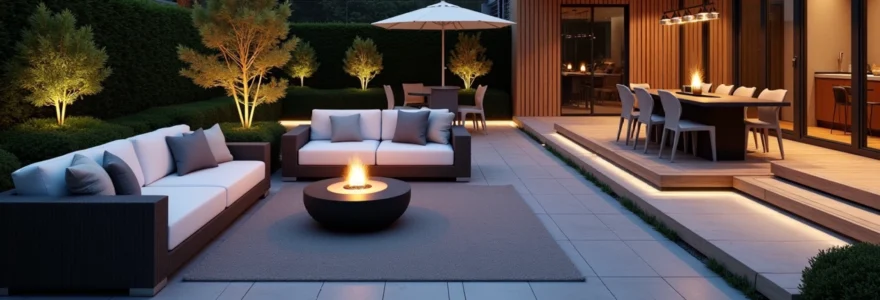
Creating an exceptional outdoor living space requires more than simply placing furniture on a patio or deck. Today’s homeowners are transforming their gardens, terraces, and courtyards into sophisticated extensions of their homes, complete with carefully curated lighting, weather-resistant furnishings, and thoughtfully selected decorative elements. The art of outdoor ambiance enhancement combines functional design principles with aesthetic appeal to create spaces that serve as personal sanctuaries throughout the seasons.
Modern outdoor design has evolved significantly beyond basic barbecue areas and simple seating arrangements. Contemporary approaches emphasise the creation of multi-functional zones that seamlessly blend comfort, style, and durability. Whether you’re working with a compact balcony, an expansive garden, or anything in between, the strategic implementation of design elements can dramatically transform your outdoor environment into a space that rivals the most luxurious resort settings.
Strategic lighting design techniques for atmospheric outdoor transformation
Proper illumination serves as the cornerstone of outstanding outdoor ambiance, transforming ordinary spaces into magical environments that extend usability well into the evening hours. Professional-grade lighting design considers multiple layers of illumination, each serving specific functional and aesthetic purposes. The interplay between ambient, task, and accent lighting creates depth and visual interest whilst ensuring safety and practicality for all outdoor activities.
Contemporary outdoor lighting systems incorporate energy-efficient technologies that reduce environmental impact whilst delivering superior performance. Smart lighting controls enable homeowners to adjust brightness levels, colour temperatures, and timing schedules, creating dynamic lighting scenarios that adapt to different occasions and seasonal changes. These sophisticated systems can be programmed to automatically adjust throughout the evening, gradually dimming to create intimate gathering spaces as night progresses.
LED strip installation methods for pergolas and gazebos
LED strip lighting offers exceptional versatility for architectural feature enhancement, particularly when integrated into pergola beams, gazebo frames, and overhead structures. Professional installations utilise weather-resistant strips with IP67 ratings, ensuring longevity despite exposure to moisture and temperature fluctuations. The key to successful strip lighting lies in concealing the fixtures whilst maximising light distribution across seating and dining areas.
Installation techniques vary depending on structural materials, with aluminium channels providing clean lines for modern designs and timber grooves offering seamless integration for traditional aesthetics. Colour-changing RGB strips enable dynamic ambiance adjustments, allowing you to shift from warm whites for intimate dinners to cooler blues for contemporary entertaining. Proper transformer sizing and waterproof connections ensure reliable operation throughout varying weather conditions.
Solar-powered pathway illumination systems
Solar pathway lighting has evolved considerably from basic stake lights to sophisticated illumination systems that rival hardwired installations. Modern solar fixtures incorporate high-efficiency photovoltaic cells and lithium-ion batteries, providing consistent performance even during shorter winter days. Strategic placement along walkways, garden borders, and step edges enhances both safety and visual appeal whilst eliminating the need for complex electrical installations.
Advanced solar systems feature motion sensors and dimming capabilities that conserve battery life whilst providing adequate illumination when needed. Commercial-grade solar fixtures now offer colour temperature options and remote control functionality, enabling customised lighting schemes that complement your overall design aesthetic. Regular maintenance involves simple battery replacements and occasional lens cleaning to maintain optimal performance.
String light configuration patterns for maximum visual impact
String lighting creates instant atmosphere and serves as one of the most cost-effective methods for outdoor transformation. Professional installation patterns include catenary curves, geometric grids, and organic flowing designs that complement existing architectural elements. The selection between Edison bulbs, globe lights, and fairy lights depends on the desired aesthetic and the scale of your outdoor space.
Suspension methods range from permanent mounting systems using eye bolts and tensioned cables to temporary installations utilising shepherd’s hooks and weighted bases. Dimmable string lights provide flexibility for different occasions, whilst weatherproof connections ensure reliable operation throughout seasonal changes. Consider incorporating multiple circuits to create layered lighting effects and enable independent control of different zones.
Uplighting techniques for tree and architectural feature enhancement
Uplighting transforms ordinary landscape elements into dramatic focal points that provide visual interest throughout the evening hours. Professional-grade fixtures positioned at the base of mature trees create striking silhouettes and highlight interesting bark textures or branch structures. Similarly, uplighting can emphasise architectural features such as columns, water features, or decorative walls.
Fixture selection depends on the scale and height of the elements being illuminated, with narrow beam angles suitable for tall trees and wider distributions appropriate for broader features. Adjustable fixtures enable seasonal repositioning as plant growth patterns change, ensuring continued effectiveness over time. Consider incorporating colour filters or programmable LED systems for special occasions or seasonal celebrations.
Weather-resistant furniture selection and spatial arrangement principles
Selecting outdoor furniture that maintains both aesthetic appeal and structural integrity through varying weather conditions requires understanding material properties, construction techniques, and protective treatments. Contemporary outdoor furniture combines innovative materials with time-tested construction methods to create pieces that rival indoor quality whilst withstanding the rigours of outdoor exposure. The investment in high-quality weather-resistant furniture pays dividends through reduced maintenance requirements and extended lifespan.
Spatial arrangement principles for outdoor furniture differ significantly from indoor design considerations due to factors such as wind patterns, sun exposure, and precipitation drainage. Flexible furniture arrangements enable quick reconfiguration for different occasions, from intimate gatherings to larger entertainment events. Consider traffic flow patterns, sight lines to focal points, and proximity to amenities such as outdoor kitchens or fire features when establishing permanent seating arrangements.
The key to successful outdoor furniture selection lies in balancing durability, comfort, and style whilst considering the specific environmental challenges of your location.
Teak and eucalyptus wood treatment for longevity
Premium hardwoods such as teak and eucalyptus offer exceptional durability for outdoor applications when properly treated and maintained. Teak’s natural oil content provides inherent weather resistance, whilst eucalyptus requires regular treatment with penetrating sealers to achieve comparable longevity. Understanding the characteristics of these materials enables informed decisions about initial investment and ongoing maintenance requirements.
Treatment schedules vary depending on exposure levels, with pieces in covered areas requiring less frequent maintenance than those in full sun or exposed positions. Quality marine-grade sealers penetrate wood fibres to provide long-lasting protection against moisture infiltration and UV degradation. Annual cleaning with specialised wood cleaners followed by sealer application maintains appearance and extends furniture lifespan significantly.
Aluminium frame construction with sunbrella fabric applications
Powder-coated aluminium frames provide exceptional durability whilst remaining lightweight and corrosion-resistant. The manufacturing process involves electrostatic powder application followed by high-temperature curing, creating a finish that resists chipping, fading, and weather damage. When combined with Sunbrella or similar solution-dyed acrylic fabrics, these constructions deliver commercial-grade performance for residential applications.
Sunbrella fabrics offer superior colour retention and mildew resistance compared to conventional outdoor textiles. The solution-dyeing process ensures colour penetrates throughout the fibre, preventing fading even under intense UV exposure. Regular maintenance involves simple soap and water cleaning, with most stains responding to gentle scrubbing. The combination of aluminium frames and high-performance fabrics creates furniture systems that maintain appearance and functionality for decades.
Modular seating systems for flexible entertainment zones
Modular seating arrangements provide unparalleled flexibility for outdoor entertainment spaces, enabling quick reconfiguration to accommodate varying group sizes and activities. Individual components can be rearranged to create intimate conversation areas, large gathering spaces, or linear arrangements for events. This adaptability maximises space utilisation whilst providing comfortable seating for diverse occasions.
Quality modular systems incorporate secure connection methods that maintain stability whilst allowing easy reconfiguration. Lightweight yet durable components enable single-person rearrangement without compromising structural integrity. Consider storage solutions for cushions and accessories to protect these elements during inclement weather or extended periods of non-use.
Fire table integration with safety compliance standards
Fire tables serve as dramatic focal points that extend outdoor usability throughout cooler months whilst providing ambiance and gathering opportunities. Modern fire tables incorporate safety features such as wind guards, automatic shut-off valves, and heat-resistant surfaces that comply with current safety standards. Proper installation requires consideration of clearance requirements, ventilation needs, and local fire regulations.
Fuel options include natural gas connections for permanent installations or propane systems for portable applications. Electronic ignition systems provide convenient operation whilst safety features ensure reliable shut-off capabilities. Regular maintenance involves burner cleaning, gas line inspection, and protective cover use during non-operational periods to maintain performance and appearance.
Plant selection and hardscaping elements for Year-Round visual interest
Creating outdoor spaces that maintain visual appeal throughout all seasons requires strategic plant selection that considers growth habits, seasonal changes, and maintenance requirements. Successful outdoor design incorporates plants that provide structure, colour, texture, and fragrance across different times of year. The combination of evergreen foundation plantings with seasonal accent plants ensures continuous visual interest whilst minimising maintenance demands.
Hardscaping elements provide permanent structure that complements plant materials whilst serving functional purposes such as defining spaces, managing drainage, and creating focal points. Natural stone, manufactured pavers, and decorative aggregates offer diverse aesthetic options that can be combined to create sophisticated outdoor environments. Professional installation techniques ensure proper drainage, frost protection, and long-term stability for hardscaping investments.
The integration of native plants with exotic species creates dynamic landscapes that support local wildlife whilst providing unique visual elements. Native species typically require less water and maintenance once established, making them environmentally responsible choices. Exotic accent plants can provide dramatic focal points or seasonal colour displays when properly sited and maintained. Consider bloom times, foliage changes, and winter interest when selecting plant combinations.
Hardscaping materials should complement architectural elements of your home whilst providing practical benefits such as defined walkways, seating walls, and drainage management. Natural stone offers timeless appeal and improves with age, whilst manufactured materials provide consistent appearance and often superior durability. Permeable paving systems address environmental concerns whilst providing attractive surfaces for patios and walkways.
The most successful outdoor designs seamlessly blend hardscaping structure with plant materials to create environments that feel both natural and purposefully designed.
Water feature installation and maintenance protocols
Water features transform outdoor spaces by introducing movement, sound, and reflective qualities that enhance the overall sensory experience. From simple bubbling fountains to elaborate pond systems, water elements provide focal points that attract wildlife whilst creating tranquil atmospheres. The selection and installation of appropriate water features requires consideration of scale, maintenance requirements, and integration with existing landscape elements.
Contemporary water feature designs incorporate energy-efficient pumps, LED lighting systems, and automated controls that minimise maintenance whilst maximising visual impact. Recirculating systems conserve water whilst providing continuous operation, and UV sterilisation systems maintain water clarity without chemical additives. Professional installation ensures proper electrical connections, adequate filtration, and appropriate safety measures for residential applications.
Maintenance protocols vary significantly depending on water feature type and complexity, but all systems benefit from regular cleaning schedules and seasonal preparation procedures. Pump maintenance includes periodic cleaning and impeller inspection to ensure optimal performance. Water quality management involves monitoring pH levels, removing debris, and managing algae growth through appropriate filtration and circulation systems.
Winter preparation for water features in climates subject to freezing requires specific procedures to prevent damage from ice expansion. Drain-down procedures protect pipes and equipment, whilst some systems incorporate heating elements to maintain operation throughout cold months. Professional winterisation services ensure proper preparation and spring startup procedures that extend equipment lifespan and maintain system reliability.
Textile and accessory integration for comfort and style optimisation
Outdoor textiles and accessories provide the finishing touches that transform functional spaces into comfortable, stylish environments that rival indoor living areas. Modern outdoor fabrics offer exceptional performance characteristics that maintain appearance and comfort despite exposure to UV radiation, moisture, and temperature extremes. The strategic use of cushions, throws, and decorative elements creates inviting spaces that encourage extended outdoor living.
Colour coordination and pattern mixing require careful consideration of existing architectural elements and landscape features to create cohesive design schemes. Neutral base colours provide flexibility for seasonal accent changes, whilst bold patterns can serve as dramatic focal points that define seating areas or entertainment zones. Consider the visual weight of patterns and colours when combining multiple textile elements to avoid overwhelming smaller spaces.
Outdoor cushion fabric performance ratings
Understanding fabric performance ratings enables informed decisions about textile investments that provide long-term satisfaction and value. Outdoor cushion fabrics are rated for fade resistance, water repellency, and mildew resistance using standardised testing protocols. Solution-dyed acrylic fabrics typically offer superior performance compared to printed alternatives, with colour retention measured in hundreds of hours of accelerated UV exposure.
Foam core selection affects both comfort and longevity, with closed-cell foams providing superior moisture resistance compared to traditional open-cell alternatives. Quick-drying foam cores prevent mould and mildew growth whilst maintaining comfort characteristics over extended periods. Consider removable covers for easy cleaning and the ability to update colour schemes without replacing entire cushion systems.
Parasol and shade sail positioning for UV protection
Effective sun protection extends outdoor usability during peak daylight hours whilst protecting furniture and textiles from UV damage. Parasol positioning requires understanding sun path throughout the day and seasons to provide optimal coverage for dining and seating areas. Adjustable mechanisms enable repositioning as solar angles change, maximising protected time whilst maintaining aesthetic appeal.
Shade sails offer dramatic design possibilities whilst providing extensive coverage areas that surpass traditional parasol capabilities. Professional installation ensures proper tension and anchor point selection that withstand wind loads whilst maintaining architectural appeal. Fabric selection affects both appearance and performance, with dedicated shade cloths offering superior UV protection compared to decorative alternatives.
Weather-resistant rug materials and placement strategies
Outdoor rugs define spaces and add comfort underfoot whilst providing visual anchor points for furniture arrangements. Modern outdoor rug materials include polypropylene, recycled plastics, and treated natural fibres that resist moisture absorption and mildew growth. Proper sizing and placement create visual cohesion whilst protecting underlying surfaces from furniture wear.
Drainage considerations affect rug performance and longevity, with proper substrate preparation ensuring adequate water drainage and preventing moisture retention. Rug pads designed for outdoor use provide cushioning whilst promoting air circulation that prevents moisture accumulation. Regular cleaning protocols include routine vacuuming and periodic deep cleaning with appropriate cleaners that maintain fabric integrity and appearance.