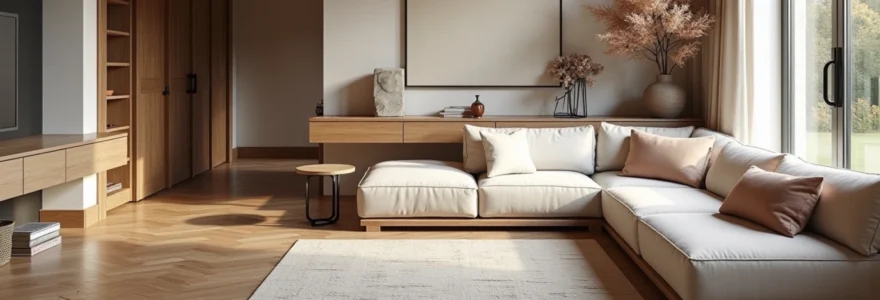
The movement toward authentic interiors has never been more compelling than it is today. As homeowners increasingly seek refuge from digital overwhelm and synthetic environments, natural materials emerge as the cornerstone of meaningful design. These materials don’t merely beautify spaces—they transform them into sanctuaries that connect us with the earth’s inherent wisdom and timeless beauty. The careful selection of natural elements creates an atmosphere where authenticity becomes palpable, where every surface tells a story of origin and craftsmanship.
Natural materials possess an irreplaceable quality that manufactured alternatives simply cannot replicate: the honest imperfections, the unique grain patterns, the subtle colour variations that speak to their organic origins. When thoughtfully integrated into home styling, these elements create spaces that feel lived-in rather than staged, welcoming rather than sterile. The journey toward authentic interior design begins with understanding how different natural materials contribute their distinct characteristics to create harmonious, soul-nurturing environments.
Wood species selection for interior design authenticity
The foundation of any authentically styled home often begins with wood selection, where species choice becomes a defining element of the overall aesthetic narrative. Each wood type carries its own personality, from the robust character of oak to the refined elegance of walnut, offering designers and homeowners a palette of natural beauty to work with. Understanding the unique characteristics of different wood species enables informed decisions that align with both practical requirements and aesthetic aspirations.
The grain pattern, colour depth, and natural variations inherent in each species contribute to the authentic feel of a space. Premium hardwoods like cherry develop rich patina over time, while softer woods like pine offer rustic charm with their natural knots and resin pockets. The key lies in matching wood characteristics to the intended atmosphere—whether seeking the formal elegance of mahogany or the casual warmth of reclaimed barn wood.
Reclaimed oak flooring and beam integration techniques
Reclaimed oak represents the pinnacle of sustainable luxury in flooring applications, bringing centuries of character into contemporary spaces. The weathered patina and nail holes that mark reclaimed oak planks tell stories of previous lives, creating floors with unmatched authenticity. Professional installation requires careful attention to moisture content equalisation and subfloor preparation to accommodate the wood’s historic dimensional changes.
When integrating reclaimed oak beams into ceiling designs, structural engineering considerations must balance aesthetic goals with safety requirements. The natural checking and surface variations that make reclaimed oak beautiful also require specialised mounting hardware and reinforcement techniques. Expert craftsmen understand how to preserve the wood’s character while ensuring long-term structural integrity through proper preparation and installation methods.
Scandinavian pine wall cladding installation methods
Scandinavian pine cladding transforms interior walls with its distinctive light colour and straight grain patterns that exemplify Nordic design principles. The installation process requires precise moisture barrier placement and ventilation considerations to prevent issues common with softwood applications. Traditional tongue-and-groove profiles create seamless surfaces while allowing for natural wood movement throughout seasonal changes.
The natural resin content in Scandinavian pine contributes to its preservation qualities and distinctive aroma, making it particularly suitable for bedroom and living area applications. Proper kiln-drying and acclimatisation periods ensure dimensional stability, while careful attention to fastener placement prevents splitting in this relatively soft species. The authentic Scandinavian approach emphasises highlighting the wood’s natural characteristics rather than concealing them through heavy finishing.
Walnut furniture grain pattern matching strategies
Walnut’s dramatic grain patterns and rich chocolate tones make it highly prized for custom furniture applications where visual continuity matters. Professional woodworkers employ book-matching techniques to create mirror-image grain patterns across cabinet doors and tabletops, maximising the wood’s natural beauty. Sequential matching of adjacent boards creates flowing grain patterns that emphasise the organic nature of the material.
The natural colour variation within walnut lumber requires careful selection and arrangement to achieve balanced compositions. Heartwood and sapwood contrast can be leveraged as a design feature or minimised through selective cutting techniques. Master craftsmen understand how to work with walnut’s natural characteristics, using its tendency toward figure development to create stunning visual effects in high-end furniture pieces.
Cedar aromatic properties in wardrobe and storage solutions
Cedar’s natural aromatic compounds provide both aesthetic appeal and functional benefits in storage applications, making it the preferred choice for wardrobes and closet systems. The natural oils that create cedar’s distinctive scent also act as moth deterrents and moisture regulators, protecting stored textiles without chemical treatments. Eastern red cedar and western red cedar each offer different aromatic profiles and working characteristics for specific applications.
Installation of cedar storage systems requires attention to ventilation and wood orientation to maximise the release of beneficial aromatic compounds. The natural oils can affect some finishes and fabrics, requiring careful consideration of compatibility in mixed-material applications. Traditional craftsmanship techniques preserve cedar’s natural properties while creating functional storage solutions that improve with age as the wood’s character develops through use.
Stone material applications in contemporary home styling
Stone materials bring geological time into human spaces, offering textures and colours that speak of the earth’s ancient processes. The selection of appropriate stone types requires understanding not only their aesthetic qualities but also their practical characteristics in different applications. Natural stone variations create unique installations where no two surfaces are identical, contributing to the authentic character that homeowners increasingly seek.
Contemporary stone applications extend far beyond traditional uses, incorporating innovative installation techniques that highlight natural characteristics while meeting modern performance requirements. The interplay between rough and polished surfaces, natural edges and precisely cut profiles, creates dynamic visual interest that manufactured materials cannot replicate. Understanding stone’s response to light, moisture, and temperature changes enables designers to create installations that celebrate these natural materials’ inherent beauty.
Limestone feature wall construction and sealing protocols
Limestone feature walls create dramatic focal points that showcase this sedimentary stone’s natural variation and fossil inclusions. The porous nature of limestone requires comprehensive sealing strategies to prevent moisture absorption and staining while preserving the stone’s natural texture and colour. Professional installation begins with structural assessment to ensure adequate support for the stone’s weight and thermal movement characteristics.
Natural limestone surfaces benefit from breathable sealers that protect against staining while allowing moisture vapour transmission. The application timing and environmental conditions significantly affect sealer penetration and performance longevity. Skilled stonemasons understand how different limestone varieties respond to various sealing products, ensuring protection without altering the stone’s natural appearance or texture.
Marble veining pattern selection for kitchen countertops
Marble countertop selection involves careful consideration of veining patterns and their visual impact within kitchen design schemes. Dramatic veining can overwhelm smaller kitchens, while subtle patterns may lack visual interest in larger spaces. The natural variation in marble slabs requires on-site selection and approval to ensure the chosen patterns complement the overall design vision.
Bookmatching marble slabs creates symmetrical patterns that enhance the stone’s natural beauty while providing visual continuity across large surfaces. The direction of veining affects both aesthetic impact and practical considerations such as stress concentration points. Professional fabricators understand how to orient marble slabs to minimise weak points while maximising the visual drama of natural veining patterns.
Slate flooring texture variations and slip resistance ratings
Slate’s natural cleft surface provides inherent slip resistance that makes it suitable for wet areas, but texture variations affect both safety and aesthetic outcomes. Natural surface textures range from relatively smooth to deeply textured, each offering different slip resistance characteristics and visual appeal. Understanding these variations enables appropriate selection for specific applications and traffic patterns.
The natural layering in slate creates varied surface textures that require different maintenance approaches and wear patterns over time. High-traffic areas benefit from slates with consistent texture and density, while decorative applications can accommodate more dramatic natural variations. Experienced installers know how to select and orient slate tiles to achieve both safety requirements and aesthetic goals while respecting the material’s natural characteristics.
Granite natural edge preservation in bathroom vanities
Natural edge granite vanities celebrate the stone’s original formation through minimal processing that preserves natural contours and textures. These edges require specialised support systems and waterproofing details to prevent moisture infiltration while maintaining the organic appearance that makes them desirable. The irregular profiles of natural edges demand custom fabrication techniques and flexible mounting systems.
Preserving natural granite edges involves careful cleaning and sealing of the unpolished surfaces that are more susceptible to staining and bacterial growth. The contrast between polished tops and natural edges creates visual interest while requiring different maintenance protocols for each surface type. Expert fabricators balance aesthetic goals with practical requirements, ensuring natural edge vanities provide years of reliable service while maintaining their distinctive character.
Textile fibre authenticity in soft furnishing design
The tactile experience of natural fibres connects occupants with organic textures that synthetic materials cannot replicate, creating sensory richness that enhances authentic interior experiences. Natural fibres age gracefully, developing character through use while maintaining their structural integrity and comfort properties. The selection of appropriate natural fibres for different applications requires understanding their unique characteristics, from linen’s casual elegance to wool’s temperature-regulating properties.
Authenticity in textile selection extends beyond fibre content to include consideration of traditional weaving techniques, natural dye processes, and regional craft traditions. Handwoven textiles display subtle irregularities that machine production cannot achieve, contributing to the authentic character that distinguishes truly natural interiors. The environmental story of natural fibres—from sustainable cultivation to biodegradable end-of-life disposal—aligns with contemporary values while providing superior performance characteristics.
Natural fibre textiles require different care protocols than synthetic alternatives, but this relationship between user and material contributes to the mindful living approach that authentic design promotes. Linen softens with washing, developing a lived-in comfort that improves over time. Wool naturally resists odours and regulates temperature, providing comfort that adapts to environmental conditions. Quality natural textiles represent investment pieces that provide decades of service while developing character that enhances their appeal.
The colour development in naturally dyed textiles creates depth and complexity that synthetic dyes cannot match, with subtle variations that change under different lighting conditions. Vegetable dyes fade gracefully, creating patina that adds to rather than detracts from the textile’s beauty. Understanding these characteristics enables designers to select natural textiles that will age beautifully while providing the sensory richness that authentic interiors require.
The authentic character of natural fibres develops through interaction with light, air, and human touch, creating textiles that become more beautiful with age rather than simply wearing out.
Metal patina development and preservation techniques
Natural metal patination represents one of nature’s most dramatic design processes, transforming bright metallic surfaces into complex colour palettes that reflect environmental interaction over time. The development of authentic patina requires understanding the chemical processes involved and the environmental factors that influence colour development and surface texture. Controlled patination techniques allow designers to achieve specific aesthetic goals while maintaining the authenticity that comes from natural oxidation processes.
Copper patination progresses from bright orange through various brown stages to the classic verdigris green that characterises aged copper installations. This process can be accelerated through controlled exposure to specific environmental conditions, but authentic patina development requires patience and understanding of the material’s response to different atmospheric conditions. The uneven colour development that occurs naturally creates visual interest that uniform artificial finishes cannot replicate.
Iron and steel patination creates rich orange and brown oxide layers that must be carefully managed to prevent structural deterioration while preserving the aesthetic appeal of natural rust formation. Protective clear coats can halt the patination process at desired colour stages, preserving specific appearances while preventing further oxidation. Skilled metalworkers understand how to balance protection with authenticity, creating installations that age gracefully while maintaining structural integrity.
Bronze patination develops complex green and brown colour combinations that reflect the alloy composition and environmental exposure conditions. Traditional bronze working techniques create surfaces that patinate predictably, while modern alloys may require different approaches to achieve authentic appearances. The preservation of natural bronze patina requires understanding the ongoing chemical processes and environmental factors that affect colour stability over time.
Authentic metal patina represents a collaboration between human craftsmanship and natural processes, creating surfaces that embody the passage of time while maintaining their functional and aesthetic integrity.
Ceramic and clay material integration strategies
Clay-based materials connect modern interiors with humanity’s oldest crafting traditions, bringing handmade character and natural colour variations that celebrate imperfection as beauty. The integration of ceramic elements requires understanding how these materials interact with other natural elements and how their properties contribute to authentic interior atmospheres. Artisanal ceramics display the subtle irregularities and surface variations that distinguish handcrafted pieces from mass-produced alternatives.
The thermal mass properties of ceramic materials contribute to interior comfort through temperature moderation, while their natural colour palettes complement other earth-toned materials in authentic design schemes. Traditional ceramic production techniques create surfaces with unique character that improves with age, developing subtle colour changes and wear patterns that enhance rather than diminish their appeal.
Terracotta tile porosity management in High-Moisture areas
Terracotta’s natural porosity creates both opportunities and challenges in bathroom and kitchen applications, where moisture management becomes critical for long-term performance. The natural clay composition that gives terracotta its distinctive colour and texture also makes it susceptible to moisture absorption and potential damage without proper treatment. Understanding the relationship between porosity and performance enables successful terracotta installations in challenging environments.
Sealing protocols for terracotta tiles must balance moisture protection with preservation of the material’s natural breathability and appearance. Over-sealing can create surface buildup that detracts from terracotta’s natural beauty, while inadequate protection leads to staining and potential structural issues. Professional installers understand how to achieve appropriate protection levels while maintaining the authentic character that makes terracotta desirable in authentic interior applications.
Handcrafted pottery display lighting and positioning
The display of handcrafted pottery requires careful consideration of lighting angles and intensities that reveal the subtle surface textures and colour variations that make each piece unique. Natural glazing imperfections and firing marks become beautiful features when properly illuminated, contributing to the authentic character that distinguishes handmade ceramics from manufactured alternatives.
Positioning strategies for pottery displays must consider both visual impact and practical requirements such as protection from accidental damage and appropriate environmental conditions. The natural variations in handcrafted pieces require individual consideration of each item’s best viewing angles and lighting requirements. Expert curators understand how to create displays that celebrate pottery’s handmade character while ensuring long-term preservation and visual impact.
Raku ceramic glazing imperfections as design features
Raku firing processes create dramatic glazing effects that celebrate the unpredictable nature of fire and clay interaction, resulting in pieces where imperfections become the primary aesthetic features. The crackling, colour variations, and surface irregularities that occur during raku firing cannot be precisely controlled, making each piece unique and contributing to authentic interior character.
The integration of raku ceramics into interior design schemes requires understanding how these dramatic pieces interact with other natural materials and how their bold visual character can be balanced within overall design compositions. The metallic lusters and dramatic colour transitions typical of raku pieces create focal points that enhance authentic design schemes while celebrating traditional ceramic craft techniques. Discerning collectors appreciate raku ceramics for their embodiment of natural processes and their celebration of the unexpected beauty that occurs when human intention meets natural forces.
Natural material maintenance and longevity protocols
The preservation of natural materials requires understanding their unique characteristics and implementing maintenance protocols that respect their organic nature while ensuring long-term performance. Unlike synthetic materials that deteriorate uniformly, natural materials age through complex processes that can enhance their beauty when properly managed. Preventive maintenance strategies focus on protecting natural materials from damage while allowing their character to develop through normal aging processes.
The development of appropriate maintenance schedules requires balancing intervention with natural aging processes, protecting materials from damage while preserving the authentic character that makes them desirable. Different natural materials require different approaches, from the regular oiling of wood surfaces to the periodic resealing of stone installations. Understanding these requirements during the design phase ensures that maintenance needs align with homeowner expectations and capabilities.
UV protection methods for exposed wood elements
Ultraviolet radiation represents one of the most significant threats to exposed wood elements, causing colour fading and surface degradation that can compromise both aesthetic appeal and structural integrity. Natural UV protection strategies include finish selection, orientation planning, and architectural shading solutions that preserve wood’s natural beauty while minimising exposure to damaging radiation.
Modern UV-resistant finishes provide protection while maintaining wood’s natural appearance and texture, but
proper application techniques remain critical for long-term effectiveness. Professional application requires surface preparation that opens wood pores for optimal penetration while maintaining the natural texture that defines authentic wood character. Timing of application affects both protection levels and appearance, with some finishes requiring specific environmental conditions for optimal curing and performance.
Window film applications provide additional UV protection for interior wood elements without affecting natural lighting quality or aesthetic appeal. Strategic placement of UV-filtering materials can protect valuable wood installations while maintaining the connection to natural light that authentic interiors require. The selection of appropriate protection levels must balance preservation needs with the natural aging processes that contribute to wood’s developing character over time.
Stone sealant application schedules and product selection
Natural stone installations require ongoing maintenance through properly timed sealant applications that preserve the material’s protective barrier without building up surface residues. Different stone types require different sealing schedules, with porous materials like limestone needing more frequent attention than dense granites. Understanding these requirements enables homeowners to maintain stone’s natural beauty while preventing damage from moisture infiltration and staining.
Penetrating sealers provide protection while maintaining stone’s natural appearance and breathability, but selection must consider the specific characteristics of different stone types and their intended applications. The chemical compatibility between different sealant types and stone minerals affects both performance and appearance over time. Professional stone care specialists understand how to select appropriate products that provide adequate protection without altering the stone’s natural characteristics or creating maintenance complications.
Application timing depends on environmental conditions and stone moisture content, with improper timing leading to poor penetration or surface residues that detract from the stone’s natural beauty. Testing procedures help determine optimal application schedules and product concentrations for specific installations. The development of comprehensive maintenance schedules ensures consistent protection while minimising the visual impact of necessary preservation treatments.
Humidity control systems for natural fibre preservation
Natural fibre textiles require stable humidity levels to prevent dimensional changes, mould growth, and deterioration that can compromise both appearance and performance. Excessive humidity promotes biological growth that can permanently damage natural fibres, while low humidity causes brittleness and increased susceptibility to mechanical damage. Understanding these relationships enables the design of environmental control systems that preserve textile integrity while maintaining comfortable living conditions.
Seasonal humidity variations require adaptive control strategies that respond to changing environmental conditions while maintaining optimal preservation conditions for valuable natural textiles. The thermal mass of natural materials within interior spaces affects humidity fluctuations, creating microclimates that must be considered in control system design. Conservation specialists understand how to balance preservation requirements with practical living needs, creating systems that protect natural materials without compromising comfort or energy efficiency.
Air circulation patterns affect moisture distribution and natural fibre preservation, with stagnant air promoting conditions that encourage biological deterioration. Strategic ventilation design ensures adequate air movement while preventing drafts that can cause accelerated aging or mechanical damage to delicate natural textiles. The integration of humidity control systems with existing HVAC installations requires careful planning to achieve optimal performance without compromising overall system efficiency.
Seasonal expansion joint management in solid wood installations
Solid wood installations require carefully designed expansion joints that accommodate seasonal dimensional changes while maintaining aesthetic continuity and structural integrity. The magnitude of wood movement varies by species, grain orientation, and environmental conditions, requiring specific joint designs that can handle predicted movement ranges. Understanding these characteristics enables the creation of installations that perform reliably through seasonal cycles while preserving their authentic appearance.
Joint placement strategies must consider both functional requirements and visual impact, with properly designed transitions maintaining clean lines while providing necessary movement accommodation. The relationship between wood moisture content at installation and seasonal humidity variations determines the extent of movement that joints must accommodate. Master carpenters understand how to design joint systems that remain virtually invisible while providing essential functionality throughout the wood’s service life.
Maintenance of expansion joint systems requires periodic inspection and adjustment to ensure continued performance as wood ages and environmental conditions change. The natural settling that occurs in solid wood installations may require joint adjustments to maintain optimal performance and appearance. Long-term success depends on understanding how different wood species respond to environmental changes and designing joint systems that accommodate these natural processes while preserving the installation’s authentic character and structural integrity.