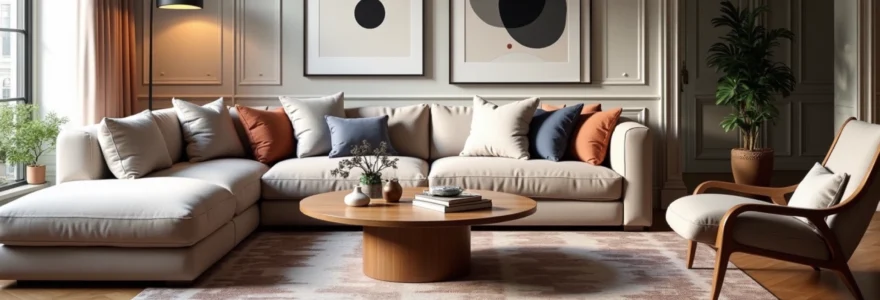
Creating a living space that truly reflects your personality requires more than just furniture placement and colour coordination. The accessories you choose serve as the defining elements that transform a house into a home, adding layers of visual interest, texture, and personal narrative. Whether you’re working with a new build requiring character infusion or refreshing an established space, the right decorative elements can dramatically alter the atmosphere and functionality of your living area.
From statement artwork that commands attention to sculptural lighting that doubles as functional art, each accessory plays a crucial role in establishing your home’s aesthetic identity. The key lies in understanding how different elements work together to create cohesive yet dynamic spaces that feel both curated and lived-in. Modern interior design emphasises the importance of mixing textures, scales, and periods to achieve this balance.
Statement wall art and gallery arrangements for maximum visual impact
Wall art serves as one of the most powerful tools for injecting personality and visual interest into any living space. The transformation potential of thoughtfully chosen artwork cannot be overstated, as it immediately draws the eye and establishes the room’s aesthetic direction. Contemporary interior design trends favour bold, oversized pieces that create instant focal points, moving away from the traditionally safe approach of small, scattered artworks.
The psychological impact of art in living spaces extends beyond mere decoration. Studies indicate that well-chosen artwork can influence mood, spark conversation, and even affect perceived room dimensions. Large-scale pieces, in particular, can make modest spaces feel more substantial while adding sophistication to any interior scheme.
Large-scale canvas prints and photography collections
Oversized canvas prints have become increasingly popular for their ability to create immediate drama and sophistication. Photography collections , particularly black-and-white series or nature-themed works, offer versatility that complements various design styles. When selecting large-scale pieces, consider the room’s proportions carefully—a piece should typically occupy 60-75% of the wall space above furniture to achieve proper visual weight.
Contemporary photography collections work exceptionally well in minimalist or modern settings, while abstract canvases can bridge different design periods within the same space. The key is ensuring the artwork’s scale matches the room’s ambitions rather than its constraints.
Curated gallery wall configurations using mixed media
Gallery walls represent an opportunity to showcase personal collections while creating dynamic visual compositions. The most successful arrangements combine different media types—paintings, photographs, prints, and even three-dimensional objects—to create engaging narratives. Professional designers often recommend starting with a central anchor piece and building outward, maintaining consistent spacing of 5-8 centimeters between frames.
Mixed media arrangements allow for creative expression while accommodating budget constraints, as you can combine investment pieces with more affordable finds. This approach creates the collected-over-time aesthetic that feels authentic and personal rather than overly coordinated.
Vintage poster arrangements and limited edition art prints
Vintage posters and limited edition prints offer an accessible entry point into art collection while providing instant character. Travel posters, concert memorabilia, and advertising art from past decades can create compelling focal points that spark conversation. The key is treating these pieces with the same respect as traditional fine art through proper framing and thoughtful placement.
Limited edition prints from contemporary artists provide an opportunity to support emerging talent while building a collection that may appreciate over time. Many online platforms now offer curated selections that make discovering new artists more accessible than traditional gallery browsing.
Abstract geometric artwork for contemporary interior schemes
Abstract geometric artwork has experienced a renaissance in contemporary interior design, offering versatility that works across various colour palettes and style preferences. These pieces provide visual interest without overwhelming patterns or specific subject matter that might limit future design changes. Geometric abstractions can serve as excellent conversation starters while maintaining the sophisticated neutrality that many homeowners prefer.
The mathematical precision of geometric art creates a sense of order and calm that works particularly well in spaces where relaxation is prioritised. These pieces can also help tie together different design elements within a room through repeated shapes or colour echoes.
Sculptural lighting fixtures as architectural focal points
Lighting extends far beyond mere functionality in contemporary interior design, serving as sculptural elements that define spaces and create atmosphere. The fixtures you choose can dramatically alter a room’s perceived scale, mood, and style direction. Modern lighting design emphasises statement pieces that function as art installations during daylight hours while providing practical illumination after dark.
The investment in quality lighting pays dividends in both daily functionality and long-term satisfaction. Unlike furniture that may require periodic updating, exceptional lighting fixtures often become permanent features that accommodate various design evolution phases. This permanence makes lighting selection particularly crucial for establishing your space’s character foundation.
Designer pendant lights: tom dixon and flos installations
Designer pendant lights from renowned manufacturers like Tom Dixon and Flos represent the intersection of functionality and artistic expression. These fixtures often feature innovative materials and manufacturing techniques that create unique lighting effects while serving as conversation pieces. Tom Dixon’s copper series, for example, provides warm, diffused light while creating stunning visual impact through reflective surfaces.
Flos installations, particularly their iconic designs like the Arco floor lamp or Castiglioni pendants, demonstrate how lighting can transcend utility to become architectural elements. These pieces often command premium pricing but offer decades of style relevance and exceptional build quality that justifies the investment.
Industrial table lamps and edison bulb configurations
Industrial-inspired lighting continues to dominate contemporary design trends, offering raw authenticity that contrasts beautifully with refined finishes elsewhere in the room. Edison bulb configurations, whether in exposed pendant arrangements or integrated into table lamp designs, provide warm, ambient lighting that creates intimate atmosphere. The visible filaments add visual texture while celebrating the beauty of functional design.
Industrial table lamps often incorporate materials like aged brass, weathered steel, or reclaimed wood that bring tactile interest to surfaces. These pieces work exceptionally well in spaces that blend modern and vintage elements, providing common ground between different design periods.
Contemporary floor lamps with brass and marble accents
Floor lamps featuring brass and marble combinations represent current luxury design trends while offering practical benefits for reading and ambient lighting. These materials provide visual weight that anchors furniture groupings while adding sophisticated material contrast. Marble bases offer stability and premium aesthetics, while brass elements introduce warmth that softens modern spaces.
The beauty of contemporary floor lamp designs lies in their ability to provide task lighting without requiring electrical work or ceiling modifications. This flexibility makes them ideal for renters or anyone seeking lighting solutions that can adapt to future room configurations.
Smart lighting systems with philips hue integration
Smart lighting technology has revolutionised how we approach interior illumination, offering unprecedented control over colour temperature, intensity, and timing. Philips Hue systems, in particular, allow for scene programming that adapts lighting to different activities throughout the day. Morning scenes might emphasise cool, energising light, while evening settings can provide warm, relaxing ambiance.
The integration capabilities extend beyond basic dimming to include music synchronisation, weather-responsive adjustments, and vacation mode programming. This technology transforms lighting from a static element into a dynamic component that actively enhances daily life while reducing energy consumption through intelligent automation.
Textile layering techniques using premium fabrics and patterns
Textile layering represents one of the most effective methods for introducing colour, texture, and comfort into living spaces. The strategic combination of different fabrics creates visual depth while providing opportunities to incorporate seasonal changes or personal preferences without major renovations. Professional interior designers rely heavily on textile layering to achieve the sophisticated, lived-in aesthetic that characterises high-end residential design.
The tactile experience of quality fabrics significantly impacts how spaces feel to inhabitants and visitors. Luxurious materials like cashmere, silk, and high-thread-count linen create sensory experiences that elevate everyday activities. This investment in textile quality pays dividends in both durability and daily satisfaction, as these materials age gracefully while maintaining their aesthetic appeal.
Throw pillow combinations with velvet and linen textures
Throw pillow arrangements offer the most accessible method for experimenting with colour and texture combinations while providing practical comfort benefits. Velvet and linen combinations create particularly compelling contrasts, with velvet’s lustrous surface playing against linen’s matte, relaxed texture. This pairing works across various colour palettes, from neutral schemes to bold, saturated combinations.
Professional stylists often recommend the “rule of odds” when arranging throw pillows, using three or five pillows rather than even numbers for more dynamic compositions. Mixing pillow sizes—typically combining 50cm square pillows with 35cm accent pieces—creates visual rhythm while ensuring comfortable lounging options.
Luxury wool blankets and cashmere throw arrangements
Investment-quality wool and cashmere throws serve dual purposes as functional comfort items and decorative elements that signal quality and attention to detail. These natural fibres provide superior temperature regulation while developing beautiful patina over time. Cashmere, in particular, offers unmatched softness that encourages regular use while maintaining its appearance through proper care.
The draping technique significantly impacts how throws contribute to room aesthetics. Artfully arranged throws should appear deliberately casual rather than overly styled, suggesting comfort and livability while adding textural interest to furniture pieces.
Patterned rugs: persian, moroccan, and scandinavian designs
Area rugs anchor furniture groupings while introducing pattern and colour that can tie together disparate elements within a room. Persian rugs bring centuries of craftsmanship tradition along with intricate patterns that create visual focal points. Moroccan designs offer geometric boldness that works particularly well in contemporary settings, while Scandinavian rugs provide subtle pattern interest that complements minimalist aesthetics.
Rug selection requires careful consideration of both aesthetic and practical factors. Hand-knotted pieces represent significant investments but offer durability and beauty that can last generations. Scandinavian designs , with their emphasis on natural materials and understated patterns, provide excellent options for those seeking pattern interest without overwhelming existing décor elements.
Window treatment styling with natural fibres and blackout solutions
Window treatments significantly impact both room aesthetics and practical comfort, requiring balance between style preferences and functional needs. Natural fibre curtains in linen, cotton, or wool provide texture and visual softness while offering varying degrees of light control and privacy. Blackout solutions have evolved beyond basic utility to include stylish options that maintain design integrity while providing complete light elimination.
Layering different window treatment types—such as combining sheer panels with heavier drapes—creates flexibility for varying light and privacy needs throughout the day. This approach also adds visual depth to window areas while providing opportunities to introduce additional colours or patterns into room schemes.
Botanical elements and biophilic design integration
The integration of botanical elements represents more than decorative choice—it acknowledges the fundamental human connection to nature that biophilic design principles seek to restore in modern living environments. Research consistently demonstrates that indoor plants improve air quality, reduce stress levels, and enhance overall well-being. The visual impact extends beyond these health benefits, as plants introduce organic shapes and vibrant colours that soften architectural lines while creating dynamic focal points that change with seasons.
Strategic plant placement can dramatically alter room proportions and flow patterns. Large floor plants like fiddle-leaf figs or monstera deliciosa create vertical drama that draws attention upward, making spaces feel more spacious. Meanwhile, trailing plants on shelves or hanging installations add movement and softness that contrasts beautifully with hard furniture edges. The key lies in selecting species that thrive in your specific light conditions while complementing your aesthetic preferences.
Plant containers deserve equal consideration to the specimens themselves, as they contribute significantly to overall design impact. Contemporary ceramic planters in neutral tones provide versatile foundation pieces, while woven baskets add textural interest that complements natural elements. Metallic containers in brass or copper introduce glamour while maintaining the organic connection. Biophilic design principles suggest grouping plants in odd numbers and varying heights to mimic natural growth patterns that feel more authentic than rigid, symmetrical arrangements.
Maintenance considerations should inform plant selections, particularly for busy lifestyles or travel-heavy schedules. Low-maintenance options like snake plants, pothos, or ZZ plants provide visual impact without demanding intensive care routines. These hardy species tolerate irregular watering while maintaining attractive appearance, making them ideal for establishing your indoor garden confidence before progressing to more demanding specimens.
Vintage and antique furniture pieces as character anchors
Incorporating vintage and antique furniture pieces serves as perhaps the most effective method for infusing character and narrative into contemporary living spaces. These items carry history and craftsmanship stories that mass-produced furniture simply cannot replicate, creating conversation starters while providing functional beauty. The current trend toward sustainable living has renewed appreciation for quality pieces that were built to last generations rather than seasons.
Successful vintage integration requires understanding how older pieces can complement rather than compete with modern elements. A mid-century modern credenza, for example, can provide sophisticated storage solutions while introducing warm wood tones that soften contemporary spaces. Similarly, antique mirrors with ornate frames create dramatic focal points that reflect light while adding architectural interest to plain walls. The contrast between old and new creates visual tension that energises spaces in ways that single-period decoration cannot achieve.
Authentication and condition assessment become crucial when investing in genuine antique pieces. Understanding construction techniques, joinery methods, and aging patterns helps distinguish quality vintage finds from reproduction pieces. Character anchors should demonstrate the superior materials and craftsmanship that justify their elevated status within room compositions. Signs of quality include solid wood construction, hand-cut joinery, and hardware that shows appropriate wear patterns for the piece’s claimed age.
Restoration decisions require balancing preservation with functionality needs. Over-restoration can eliminate the authentic patina that provides vintage pieces their character, while under-restoration might compromise structural integrity or daily usability. Professional conservation advice becomes valuable for significant pieces, ensuring that restoration efforts enhance rather than diminish long-term value and aesthetic appeal.
The most successful interiors combine the best of different eras, creating spaces that feel collected over time rather than purchased all at once. This approach provides depth and authenticity that reflects real life rather than showroom perfection.
Shopping sources for vintage furniture have expanded beyond traditional antique shops to include estate sales, online marketplaces, and specialised dealers who focus on specific periods or styles. Building relationships with reputable dealers can provide access to exceptional pieces before they reach broader markets. Estate sales often offer opportunities to purchase entire room sets or complementary pieces that work together, simplifying the integration process while ensuring period authenticity.
Personalised display solutions for collections and memorabilia
Creating effective display solutions for personal collections and memorabilia requires balancing sentimental value with aesthetic considerations. These displays often serve as the most personal expressions within home environments, telling stories about interests, travels, and relationships that define individual identity. The challenge lies in presenting collections in ways that enhance rather than clutter living spaces while maintaining accessibility for ongoing enjoyment and addition.
Professional curation principles apply equally to personal collections, emphasising grouping strategies that create visual coherence while highlighting individual pieces. Collections benefit from dedicated display areas that provide appropriate lighting and background contrast. Built-in shelving offers permanent solutions for serious collections, while modular shelving systems provide flexibility for evolving interests. Glass-front cabinets protect delicate items while maintaining visibility, creating museum-quality presentations within residential settings.
Lighting considerations become particularly important for collection displays, as proper illumination transforms ordinary objects into compelling focal points. LED strip lighting installed within shelving units provides even illumination without heat generation that could damage sensitive materials. Picture lights or adjustable spotlights can highlight specific pieces while creating dramatic shadows that add depth to display compositions. Memorabilia presentation often benefits from layered lighting that allows for different viewing moods throughout the day.
Rotation strategies keep large collections fresh while preventing display areas from becoming overcrowded. Seasonal rotations can highlight different aspects of collections while providing opportunities to clean and maintain stored pieces. This approach allows collectors to enjoy entire collections over time while maintaining manageable display density. Storage solutions for non-displayed items should protect pieces while keeping them accessible for rotation schedules.
Collections tell stories about passion and dedication that mass-produced decorations cannot replicate. The key is presenting these stories in ways that invite engagement rather than overwhelming viewers with too much information at once.
Digital integration offers exciting possibilities for modern collection presentation. QR codes linked to detailed information about specific pieces can provide context for visitors while maintaining clean visual presentations. Digital photo frames can cycle through images of collection pieces too numerous or delicate for permanent display. Smart home technology can automate lighting sequences that highlight different collections throughout the day, creating dynamic presentations that evolve with daily rhythms.
Security considerations become important for valuable collections, particularly those displayed in ground-floor windows or easily accessible areas. Insurance documentation should include
detailed photography for appraisal purposes. Climate control considerations protect collections from humidity fluctuations that could cause deterioration over time. Investment pieces merit professional conservation advice to ensure proper handling and environmental conditions that preserve long-term value.
Temperature and humidity monitoring devices provide early warning systems for environmental conditions that could threaten collection integrity. Modern smart sensors can alert collectors to problematic conditions via smartphone notifications, allowing immediate intervention before damage occurs. UV-filtering window films or display case materials protect light-sensitive items like photographs, textiles, or paper documents from fading while maintaining visual clarity.
Documentation strategies enhance collection value while providing personal satisfaction through detailed record-keeping. Digital catalogues with high-resolution photographs create permanent records that aid in insurance claims, estate planning, or simple personal enjoyment. Many collectors find that researching and documenting their pieces deepens appreciation while uncovering fascinating historical connections that enrich the ownership experience.
Personalised display solutions ultimately reflect individual stories and passions in ways that transform houses into homes filled with meaning and character. The most successful approaches balance preservation needs with accessibility, creating environments where collections enhance daily life rather than existing as untouchable museum pieces. This balance requires ongoing attention and adjustment as collections evolve and living situations change over time.
The difference between a house and a home often lies in the personal touches that reflect inhabitants’ unique stories, interests, and journeys. Collections and memorabilia serve as tangible connections to experiences and relationships that define individual identity.
Maintenance schedules ensure that both collections and display systems continue functioning effectively over time. Regular dusting prevents accumulation that could obscure or damage items, while periodic reorganisation keeps displays fresh and engaging. Cleaning protocols should address specific material needs—wooden pieces require different care than metals or ceramics—ensuring appropriate treatment that preserves rather than damages valuable items.
Integration with smart home systems offers sophisticated possibilities for modern collectors. Automated lighting that adjusts throughout the day can highlight different pieces during peak viewing times while providing energy-efficient operation. Security systems can include specific zones for valuable collection areas, providing targeted protection that goes beyond general home security measures. Environmental monitoring integrated with home automation can trigger climate adjustments that protect sensitive collections without manual intervention.
Future planning considerations become particularly important for significant collections that may outlive their current owners. Estate planning should address collection disposition while documentation systems should facilitate transfer to heirs or institutions. Many collectors find satisfaction in planning how their collections might continue bringing joy to others, whether through family inheritance, museum donations, or sales that fund new collecting endeavours. This forward-thinking approach ensures that carefully assembled collections continue enriching lives long after their original curators have moved on.