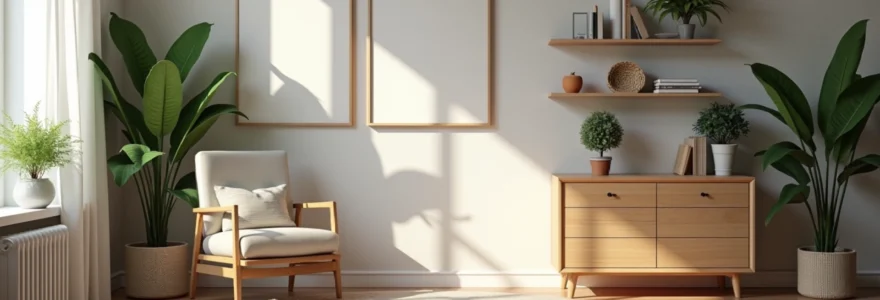
Your living space profoundly influences your mental state, productivity levels, and overall sense of wellbeing. In today’s fast-paced world, where stress levels continue to rise and the average person spends approximately 90% of their time indoors, creating a harmonious home environment has become more critical than ever. Research consistently demonstrates that our physical surroundings directly impact our psychological state, with cluttered or poorly designed spaces contributing to elevated cortisol levels and decreased cognitive function.
The concept of intentional living has gained significant momentum, particularly following the global shift towards remote work arrangements. Interior designers and wellness experts now recognise that transforming your living space isn’t merely about aesthetics—it’s about crafting an environment that actively supports your mental health and inspires creativity. By implementing strategic design principles and establishing meaningful daily practices, you can transform any space into a sanctuary that promotes tranquillity and motivation.
The seven rituals outlined here combine evidence-based design principles with practical implementation strategies, ensuring that your living space becomes a powerful tool for stress reduction and personal inspiration. These approaches have been refined through decades of research in environmental psychology, neuroscience, and holistic wellness practices.
Decluttering strategies using the KonMari method for spatial harmony
Physical clutter creates measurable stress responses in the human brain, triggering the release of cortisol and contributing to what researchers term “cognitive overload.” The KonMari Method, developed by organisational consultant Marie Kondo, offers a systematic approach to decluttering that goes beyond simple organisation—it creates lasting psychological benefits through intentional possession curation.
This methodology fundamentally differs from traditional cleaning approaches by focusing on categories rather than rooms, ensuring comprehensive decluttering that prevents items from being shuffled between spaces. The psychological impact of this approach stems from its emphasis on mindful decision-making, requiring individuals to physically handle each item whilst considering its emotional significance and practical value.
Marie kondo’s Category-Based sorting system for living rooms
Living rooms accumulate diverse items across multiple categories, making them ideal spaces for implementing Kondo’s systematic approach. Begin with books, as they’re typically the easiest category to evaluate objectively. Handle each book individually, asking whether it genuinely adds value to your life or serves as mere decoration. This tactile evaluation process engages both logical and emotional decision-making centres in the brain.
Progress through papers next, eliminating outdated documents, redundant warranties, and unnecessary paperwork that often accumulates on coffee tables and entertainment centres. Electronic items require particular attention, as obsolete cables, unused chargers, and redundant devices frequently create visual chaos whilst serving no practical purpose. The key lies in maintaining momentum through the process rather than getting overwhelmed by individual items.
Implementing the swedish death cleaning technique in bedrooms
Swedish Death Cleaning, or döstädning , represents a proactive approach to possession management that particularly benefits bedroom environments. This technique involves gradually removing items that hold no significance for your daily life whilst keeping possessions that truly matter. Unlike aggressive decluttering methods, this approach acknowledges the emotional complexity of letting go whilst maintaining progress towards a calmer living environment.
Bedrooms benefit enormously from this technique because they serve as personal sanctuaries requiring minimal visual stimulation. Remove duplicate items, expired cosmetics, and clothing that no longer fits your lifestyle or personal style. The process should feel liberating rather than restrictive, focusing on creating space for items that actively contribute to your wellbeing and daily routines.
Digital decluttering applications: todoist and evernote for space management
Digital tools can significantly enhance physical decluttering efforts by providing systematic tracking and planning capabilities. Todoist offers project management features that allow you to break decluttering tasks into manageable segments, setting realistic timelines and tracking progress across different rooms and categories. This approach prevents overwhelm whilst ensuring consistent momentum.
Evernote serves as an excellent repository for documenting belongings, creating digital inventories that prevent future accumulation of duplicate items. Photograph valuable items, store warranty information digitally, and maintain lists of seasonal items stored elsewhere. This digital documentation system reduces physical paperwork whilst maintaining essential information accessibility.
Minimalist storage solutions: MUJI and IKEA organisational systems
Effective storage solutions maintain decluttering progress by providing designated spaces for remaining possessions. MUJI’s modular storage systems offer understated aesthetics that complement minimalist principles whilst providing practical functionality. Their acrylic and wooden organisers create visual continuity that reduces mental stimulation whilst maintaining accessibility.
IKEA’s ALGOT and IVAR systems provide affordable, customisable storage that adapts to changing needs without requiring complete system replacement. These modular approaches acknowledge that living spaces evolve over time, providing flexibility whilst maintaining organisational integrity. The key lies in selecting storage that serves multiple functions whilst maintaining visual simplicity.
Biophilic design elements for natural stress reduction
Biophilic design principles recognise the innate human connection to nature, incorporating natural elements that demonstrably reduce stress hormones and improve cognitive function. Research conducted by environmental psychologists indicates that individuals exposed to natural elements within interior spaces experience significant reductions in blood pressure, improved concentration, and enhanced overall mood stability.
The implementation of biophilic elements doesn’t require extensive renovation or significant financial investment. Strategic placement of specific plant species, optimisation of natural light exposure, and incorporation of natural textures can transform sterile indoor environments into spaces that actively promote psychological wellbeing. These elements work synergistically, creating cumulative benefits that exceed the sum of individual components.
Air-purifying plant species: sansevieria trifasciata and epipremnum aureum
Snake plants (Sansevieria Trifasciata) excel in low-light conditions whilst actively removing formaldehyde, xylene, and toluene from indoor air. These chemicals commonly emanate from furniture, carpeting, and cleaning products, contributing to what researchers term “sick building syndrome.” Snake plants release oxygen during night hours, making them particularly beneficial for bedroom environments where air quality directly impacts sleep quality.
Golden Pothos (Epipremnum Aureum) demonstrates remarkable resilience whilst providing excellent air purification capabilities. These trailing plants work particularly well in living areas, where their cascading growth patterns create visual interest without requiring floor space. Their ability to thrive in various lighting conditions makes them ideal for renters or individuals with limited natural light exposure. Both species require minimal maintenance, making them perfect for individuals new to plant care.
Natural light optimisation through strategic mirror placement
Natural light exposure directly influences circadian rhythm regulation, mood stability, and vitamin D synthesis. Strategic mirror placement can effectively double the apparent natural light in any space whilst creating the illusion of expanded square footage. Position mirrors opposite or adjacent to windows to capture and redistribute incoming light throughout the room.
Large mirrors work most effectively for light amplification, but smaller mirrors can create interesting light patterns that add visual dynamism without overwhelming the space. Avoid placing mirrors directly facing each other, as this creates infinite reflections that can feel disorienting. Instead, angle mirrors slightly to redirect light towards darker areas whilst maintaining visual harmony. This light manipulation technique proves particularly valuable in urban environments where natural light may be limited.
Incorporating living walls and vertical garden systems
Living walls represent the pinnacle of biophilic design implementation, creating dramatic natural focal points that significantly improve indoor air quality whilst providing substantial psychological benefits. These systems can range from simple mounted planters to sophisticated hydroponic installations, depending on available space, budget, and maintenance preferences.
Vertical garden systems work particularly well in smaller spaces where floor space is limited but wall space is abundant. They create natural privacy screens in studio apartments whilst providing the psychological benefits of caring for living plants. Modern systems often include integrated irrigation and drainage, reducing maintenance requirements whilst ensuring plant health. The key lies in selecting plant varieties that thrive in vertical growing conditions and complement your existing interior aesthetic.
Water features: desktop fountains and aquarium integration
The sound of flowing water naturally masks distracting environmental noise whilst creating negative ions that improve air quality and mood regulation. Desktop fountains provide these benefits without requiring significant space commitment or complex installation. The gentle sound of trickling water activates the parasympathetic nervous system, promoting relaxation and reducing stress hormone production.
Aquarium integration offers the additional benefits of caring for living creatures whilst providing mesmerising visual movement that naturally reduces anxiety. Small desktop aquariums require minimal maintenance whilst providing maximum psychological impact. The rhythmic movement of fish creates a form of natural meditation, helping to calm racing thoughts and promote mental clarity. Both water features work synergistically with plant life, creating mini-ecosystems that support overall environmental wellness.
Chromotherapy and colour psychology in interior design
Colour psychology research demonstrates that different wavelengths of light trigger specific neurochemical responses in the human brain, influencing mood, energy levels, and cognitive performance. Understanding these relationships allows you to strategically implement colour schemes that support your desired emotional states and daily activities. This approach goes far beyond simple aesthetic preferences, incorporating evidence-based colour selection that actively promotes psychological wellbeing.
The key to effective chromotherapy implementation lies in understanding the difference between accent colours and dominant colour schemes. While bold accent colours can energise and inspire, dominant colours should promote the primary function of each space. This nuanced approach ensures that your colour choices support rather than conflict with your daily routines and emotional needs.
Blue spectrum application for cortisol reduction in bedrooms
Blue wavelengths demonstrate remarkable efficacy in reducing cortisol production, making them ideal for bedroom environments where stress reduction and sleep promotion are paramount. Research indicates that exposure to soft blue hues can lower heart rate by up to 7% whilst reducing blood pressure and promoting parasympathetic nervous system activation.
Implement blue spectrum colours through bedding, wall accents, or artwork rather than dominant wall colours, which can feel cold or sterile in excessive quantities. Soft powder blues, sage blues, and grey-blue combinations provide cortisol reduction benefits whilst maintaining visual warmth. The goal is creating a sense of tranquil sophistication rather than clinical sterility. These calming colour applications work particularly well when combined with natural textures and warm lighting.
Green hues and dopamine response in workspace areas
Green wavelengths stimulate dopamine production whilst reducing eye strain associated with prolonged computer use, making them ideal for home office environments. Studies demonstrate that individuals working in environments with strategic green implementation show improved focus, enhanced creativity, and reduced mental fatigue compared to those in neutral colour environments.
Incorporate green through plants, accent walls, or artwork rather than dominant colour schemes, which can become visually overwhelming during extended work sessions. Forest greens, sage greens, and olive tones provide dopamine benefits whilst maintaining professional aesthetics suitable for video conferencing. The key lies in balancing stimulation with tranquillity, creating environments that promote productivity without causing overstimulation.
Warm earth tones for oxytocin production in living spaces
Warm earth tones—including terracotta, warm browns, and rich creams—stimulate oxytocin production, promoting feelings of connection, security, and overall wellbeing. These colours work particularly well in living spaces where social interaction and relaxation are primary functions. The psychological impact stems from evolutionary associations with natural environments and shelter.
Implement warm earth tones through furniture, textiles, and accent pieces rather than overwhelming dominant schemes. This approach allows for seasonal variation whilst maintaining the core psychological benefits. Combine earth tones with natural textures like wood, stone, or woven materials to amplify the oxytocin response. These nurturing colour combinations create environments that naturally encourage relaxation and social connection.
Aromatherapy integration through essential oil diffusion systems
Olfactory stimulation directly accesses the limbic system, bypassing conscious thought processes to influence mood, memory, and stress responses. Strategic aromatherapy implementation can transform your living space into a therapeutic environment that actively supports emotional regulation and mental clarity. The key lies in understanding which essential oils provide specific psychological benefits and how to implement them effectively throughout your daily routines.
Modern diffusion systems offer unprecedented control over scent intensity and distribution, allowing for customised aromatherapy experiences that adapt to your changing needs throughout the day. Unlike traditional air fresheners that mask odours with synthetic fragrances, essential oil diffusion provides genuine therapeutic benefits whilst creating pleasant ambient scents. The cumulative effect of consistent aromatherapy practice can significantly improve overall life satisfaction and stress management capabilities.
Lavender essential oil demonstrates remarkable efficacy for stress reduction and sleep promotion, with clinical studies showing significant improvements in sleep quality and anxiety reduction. Eucalyptus provides mental clarity and respiratory support, making it ideal for workspace environments. Bergamot offers mood elevation without overstimulation, working particularly well during afternoon energy dips. The key lies in rotating scents to prevent olfactory adaptation whilst maintaining therapeutic benefits.
Ultrasonic diffusers provide the most versatile aromatherapy implementation, offering timer controls, variable intensity settings, and the additional benefit of slight humidity increase. These devices work particularly well in dry climates or during winter months when indoor air quality suffers. Reed diffusers offer continuous, low-level scent distribution without requiring electricity, making them ideal for bedrooms or areas where subtle, consistent aromatherapy is desired.
Acoustic design principles for noise pollution mitigation
Sound pollution significantly impacts stress levels, cognitive performance, and sleep quality, with chronic exposure to unwanted noise contributing to elevated blood pressure, decreased immune function, and impaired concentration. Effective acoustic design transforms your living space into a sanctuary that actively buffers against environmental stressors whilst promoting the sounds that enhance wellbeing and productivity.
Acoustic treatment doesn’t require expensive soundproofing installations or major renovations. Strategic placement of sound-absorbing materials, white noise implementation, and careful attention to sound sources can dramatically improve your acoustic environment. The goal isn’t complete silence—which can feel unnatural and uncomfortable—but rather the creation of a balanced soundscape that supports your daily activities and emotional needs.
Soft furnishings naturally absorb sound waves, reducing echo and harsh reflections that contribute to acoustic discomfort. Heavy curtains, area rugs, upholstered furniture, and fabric wall hangings all contribute to improved acoustic environments. Books act as excellent sound absorbers, making filled bookshelves dual-purpose elements that enhance both aesthetics and acoustics. Strategic placement of these elements in corners and against walls maximises their sound-absorption capabilities.
White noise machines or nature sound apps can effectively mask intermittent disturbances whilst providing consistent acoustic background that promotes concentration and relaxation. The key lies in selecting sounds that complement rather than compete with your activities. Gentle rain sounds work well for sleep promotion, whilst ocean waves or flowing water provide excellent background for focused work. Avoid sounds with sudden volume changes or recognisable patterns that might become distracting over time.
Plant placement contributes to acoustic improvement whilst providing additional biophilic benefits. Large-leafed plants like fiddle leaf figs or monstera deliciosa naturally absorb sound waves whilst adding visual interest and air purification. Grouping plants at different heights creates natural sound barriers whilst avoiding the formal appearance of traditional acoustic panels. This living sound absorption approach provides multiple wellness benefits simultaneously.
Sacred space creation using feng shui positioning techniques
Feng shui principles offer time-tested approaches to spatial arrangement that promote energy flow, psychological comfort, and overall wellbeing. While modern interpretations focus on practical applications rather than mystical beliefs, the core concepts align remarkably well with contemporary environmental psychology research. Effective feng shui implementation creates living spaces that feel naturally balanced, promoting both productivity and relaxation depending on the intended function of each area.
The concept of “chi” or energy flow translates practically into creating clear pathways, eliminating visual obstacles, and ensuring that furniture placement supports rather than hinders daily activities. These principles naturally reduce stress by eliminating the subconscious anxiety that occurs when spaces feel cramped, blocked, or poorly organised. The result is environments that feel spacious and welcoming regardless of actual square footage.
Furniture positioning according to feng shui principles emphasises the importance of having clear sightlines to entrances whilst maintaining solid support behind seating areas. This “command position” concept aligns with evolutionary psychology, as humans naturally feel more secure when they can observe their environment whilst having protection behind them. Position desks and primary seating to face room entrances while maintaining wall support behind.
The five-element theory provides a practical framework for incorporating diverse materials and colours that create visual and psychological balance. Wood elements (plants, wooden furniture) promote growth and creativity. Fire elements (candles, warm lighting) encourage passion and energy. Earth elements (ceramics, earth tones) provide stability and grounding. Metal elements (mirrors, metallic accents) enhance clarity and precision. Water elements (fountains, blue accents) promote tranquillity and flow. Balanced incorporation of these
elements creates environments that feel naturally harmonious and psychologically supportive.
The bagua map concept provides a systematic approach to space activation that aligns different areas of your home with specific life aspects. While traditional feng shui associates these areas with concepts like wealth or relationships, modern interpretations focus on the psychological benefits of intentional space designation. Designate specific areas for work, relaxation, creativity, and social interaction, ensuring that each space supports its intended function through thoughtful arrangement and design choices.
Clearing clutter from corners and underneath furniture promotes both physical and psychological cleanliness that supports mental clarity. Stagnant energy often accumulates in forgotten spaces, creating subconscious stress even when these areas aren’t directly visible. Regular attention to these hidden spaces—cleaning underneath beds, clearing closet floors, organising storage areas—creates a sense of completeness and control that enhances overall wellbeing.
Mirror placement according to feng shui principles can dramatically expand the perceived size of smaller spaces whilst ensuring that reflections enhance rather than disrupt energy flow. Avoid mirrors that cut off heads in reflection or create confusing visual angles that can feel psychologically unsettling. Instead, position mirrors to reflect beautiful views, natural light, or meaningful artwork, effectively doubling the positive visual elements in your space.
Creating a dedicated sacred space within your living environment provides a designated area for reflection, meditation, or simply quiet contemplation. This doesn’t require religious or spiritual elements—simply a clean, uncluttered area with minimal distractions where you can sit comfortably and focus inward. The psychological impact of having such a space available creates a sense of sanctuary within your daily environment, knowing that peace and quiet are always accessible when needed.
The integration of these seven rituals creates a comprehensive approach to living space transformation that addresses both practical and psychological needs. Each element works synergistically with the others, creating cumulative benefits that exceed what any single approach might achieve independently. The key to success lies in implementing these changes gradually, allowing your space to evolve naturally whilst maintaining the elements that already serve you well.
Remember that creating a calmer, more inspiring living space is an ongoing process rather than a destination. Your needs will change with seasons, life circumstances, and personal growth, requiring periodic reassessment and adjustment of these principles. The foundation you create through these seven rituals provides a flexible framework that adapts to changing requirements whilst maintaining the core benefits of intentional living space design.
By implementing these evidence-based approaches to spatial design and daily rituals, you transform your living environment from a passive backdrop into an active participant in your wellbeing and personal development. The investment of time and attention required for these transformations pays dividends in improved mood, enhanced productivity, better sleep quality, and an overall sense of harmony between your internal state and external environment.