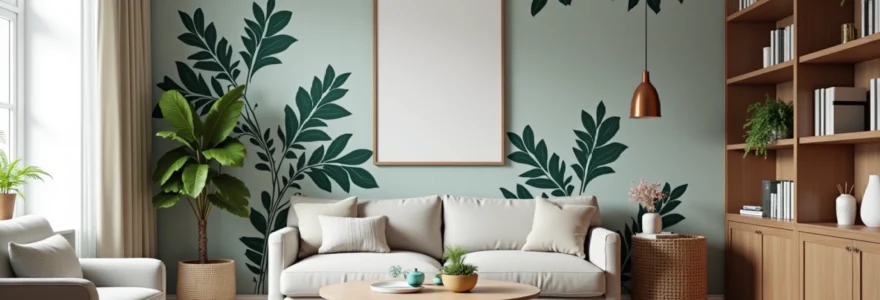
Transforming your living space doesn’t require knocking down walls or embarking on expensive construction projects. Today’s homeowners are discovering innovative approaches to personalise their homes through strategic design interventions that deliver maximum visual impact with minimal structural disruption. These creative solutions offer the perfect balance between achieving your desired aesthetic and maintaining budget consciousness whilst respecting the existing architecture of your space.
The modern approach to home personalisation emphasises flexibility, functionality, and visual storytelling through carefully curated design elements. Whether you’re renting, working with a limited budget, or simply prefer gradual transformations over dramatic overhauls, these methods allow you to express your personality whilst creating spaces that truly feel like home. From sophisticated wall treatments to innovative lighting solutions, each technique offers opportunities to inject character and style into any interior.
Statement wall techniques using removable wallpaper and vinyl decals
Creating dramatic focal points through wall treatments represents one of the most effective methods for personalising interiors without permanent alterations. Contemporary removable wallpaper and vinyl decal technologies have revolutionised accent wall creation, offering homeowners and renters alike the opportunity to introduce bold patterns, colours, and textures that can be easily modified or removed when circumstances change.
Peel-and-stick wallpaper application methods for feature walls
Modern peel-and-stick wallpaper technology has evolved significantly from early iterations, now offering high-quality finishes that rival traditional wallpaper applications. The key to successful installation lies in proper surface preparation and understanding the specific characteristics of your chosen material. Begin by ensuring the target wall is clean, smooth, and completely dry, as any imperfections will telegraph through the finished surface.
Professional installation techniques recommend starting from the centre of the wall and working outward to maintain pattern alignment and avoid awkward cuts at prominent corners. Quality removable wallpapers now feature repositionable adhesives that allow for minor adjustments during installation, significantly reducing the risk of permanent mistakes. Consider the room’s lighting conditions when selecting patterns, as natural light can dramatically affect colour perception throughout different times of day.
Geometric vinyl decal arrangements and positioning systems
Vinyl decals offer unprecedented flexibility in creating custom wall compositions that reflect personal style preferences. Geometric arrangements work particularly well in contemporary and minimalist interiors, where clean lines and structured patterns complement existing architectural elements. The beauty of vinyl applications lies in their ability to create sophisticated visual interest without overwhelming smaller spaces.
Strategic positioning involves considering both the wall’s proportions and the room’s traffic flow patterns. Asymmetrical arrangements can add dynamic energy to static spaces, whilst symmetrical designs provide calming, balanced focal points. Professional designers often recommend creating paper templates before committing to final placement, allowing you to experiment with different configurations and ensure optimal visual impact.
Textured wall film installation for High-Impact accent surfaces
Textured wall films represent an exciting development in removable surface treatments, offering the ability to introduce sophisticated material effects without the expense or permanence of actual material installations. These films can simulate everything from natural stone and wood grain to contemporary metallic finishes and abstract textures.
Installation requires careful attention to surface preparation and environmental conditions. Temperature and humidity levels significantly affect adhesion quality and long-term performance. Professional-grade textured films often incorporate air-release technology that minimises bubble formation during application, resulting in smooth, professional-looking finishes that rival permanent installations.
Botanical and abstract pattern selection for maximum visual impact
Pattern selection plays a crucial role in determining the overall success of any wall treatment project. Botanical patterns work exceptionally well in spaces where you want to introduce natural elements without committing to live plant maintenance requirements. These designs can range from subtle leaf motifs to dramatic tropical prints that create immersive environmental experiences.
Abstract patterns offer greater flexibility in terms of colour coordination and style adaptation. Large-scale abstract designs can make smaller rooms appear more spacious, whilst smaller repeating patterns provide texture and interest without overwhelming the visual field. Consider how your chosen pattern will interact with existing furnishings and architectural features to ensure cohesive integration within the overall design scheme.
Modular furniture reconfiguration and Multi-Functional design solutions
The evolution of modular furniture systems has transformed how we approach space planning and personalisation. These versatile solutions allow you to adapt your living environment to changing needs whilst maintaining aesthetic coherence throughout your home. Modern modular designs emphasise both functionality and visual appeal, offering sophisticated alternatives to traditional fixed furniture arrangements.
Ottoman storage systems and convertible seating arrangements
Ottoman storage systems exemplify the perfect marriage between form and function in contemporary interior design. These versatile pieces serve multiple purposes whilst maintaining clean, uncluttered aesthetics that work across various design styles. Quality ottoman systems often feature removable covers for easy maintenance and seasonal style updates.
Convertible seating arrangements offer remarkable flexibility for homes where space optimisation is essential. Modular ottoman configurations can transform from individual seating to large coffee tables or even impromptu guest sleeping arrangements. The key lies in selecting pieces with consistent proportions and complementary finishes that maintain visual harmony regardless of their current configuration.
Floating shelf networks and asymmetrical display configurations
Floating shelf systems provide exceptional opportunities for both storage and display whilst adding architectural interest to plain walls. Modern floating shelf technology offers remarkable weight-bearing capacity and invisible mounting systems that create the illusion of shelves emerging directly from wall surfaces.
Asymmetrical configurations tend to create more dynamic visual interest than traditional symmetrical arrangements. Varied shelf lengths and heights allow for creative display opportunities that can accommodate objects of different sizes whilst maintaining overall visual balance. Consider how lighting will interact with your shelf network, as strategic placement can create dramatic shadow play and highlight displayed objects effectively.
Room divider screen positioning for Open-Plan space definition
Room dividers offer elegant solutions for creating distinct zones within open-plan spaces without permanent structural modifications. Contemporary screen designs range from minimalist panels that provide subtle space division to elaborate artistic installations that serve as focal points whilst defining functional areas.
Strategic positioning involves considering traffic flow patterns, natural light distribution, and sight lines between different areas. Flexible divider systems allow you to adjust configurations based on specific activities or social situations, providing privacy when needed whilst maintaining the open feel that makes these spaces appealing. Consider screens with integrated storage or display capabilities to maximise their functional contribution to your living environment.
Stackable unit integration for vertical storage optimisation
Stackable storage systems offer scalable solutions that can grow and adapt with changing storage needs. These systems work particularly well in smaller spaces where vertical storage optimisation becomes crucial for maintaining organised, functional living environments.
Integration success depends on maintaining consistent proportions and finishes across different unit combinations. Modular stackable designs allow you to create custom storage solutions that fit specific spaces perfectly whilst providing the flexibility to reconfigure or relocate units as needs change. Consider weight distribution and structural stability when planning taller configurations, ensuring safe and secure installations.
Strategic lighting design upgrades without electrical modifications
Lighting represents one of the most transformative elements in interior design, capable of dramatically altering the mood, functionality, and perceived dimensions of any space. Modern lighting technologies offer remarkable opportunities for enhancing your home’s ambience without requiring electrical modifications or professional installation services. These solutions provide both practical illumination and decorative impact whilst maintaining the flexibility to adapt to changing needs and preferences.
Battery-operated LED strip placement under cabinetry and shelving
Battery-operated LED strips have revolutionised under-cabinet lighting applications, offering professional-quality illumination without the complexity of hardwired installations. These systems provide excellent task lighting for kitchen work surfaces whilst creating warm ambient effects that enhance the overall atmosphere of living spaces.
Strategic placement involves considering both functional lighting needs and aesthetic impact. Under-cabinet LED strips work exceptionally well for eliminating shadows on work surfaces whilst creating subtle uplighting effects that add depth and warmth to kitchen environments. Modern battery-operated systems offer impressive run times and consistent light output, making them practical alternatives to traditional hardwired solutions.
Pendant light swag installation using existing ceiling hooks
Swag pendant installations offer elegant solutions for introducing dramatic lighting elements without requiring new electrical connections. This technique utilises existing ceiling hooks or easily installed temporary mounting points to create sophisticated lighting arrangements that can be easily relocated or removed.
The key to successful swag installations lies in careful cable management and strategic hook placement. Decorative cord covers and strategic draping can transform necessary electrical connections into attractive design elements that contribute to the overall aesthetic appeal. Consider how pendant height and positioning will affect both light distribution and traffic flow patterns within the space.
Smart bulb integration with phillips hue and LIFX systems
Smart bulb technology has transformed how we approach residential lighting control, offering unprecedented flexibility in colour temperature adjustment, dimming capabilities, and automated scheduling without requiring fixture modifications. These systems work with existing lamps and fixtures whilst providing smartphone control and integration with home automation platforms.
Integration success depends on understanding your existing fixtures’ compatibility and power requirements. Smart bulb systems offer remarkable opportunities for creating personalised lighting scenes that can adapt to different activities, times of day, or social situations. Consider how different colour temperatures affect the perception of colours in your furnishings and artwork when programming custom lighting scenes.
Smart lighting systems can reduce energy consumption by up to 75% compared to traditional incandescent bulbs whilst providing superior control and functionality.
Floor lamp layering techniques for ambient and task lighting
Floor lamp layering represents a sophisticated approach to creating comprehensive lighting schemes that address both functional requirements and aesthetic preferences. This technique involves combining different lamp styles, heights, and light distribution patterns to create rich, multi-dimensional illumination throughout living spaces.
Effective layering requires understanding how different light sources interact and complement each other. Combining directional task lighting with diffused ambient sources creates comfortable, functional environments that adapt well to various activities throughout the day. Consider how lamp placement affects furniture arrangements and traffic flow, ensuring that lighting enhances rather than complicates space utilisation.
Textile-based personalisation through window treatments and soft furnishings
Textiles offer perhaps the most immediate and cost-effective method for transforming interior spaces whilst expressing personal style preferences. The strategic selection and placement of fabrics can dramatically alter a room’s colour palette, texture profile, and overall aesthetic character without requiring any structural modifications. Contemporary textile applications extend far beyond traditional approaches, incorporating innovative hanging systems, layering techniques, and multi-functional designs that maximise both visual impact and practical utility.
Window treatments represent particularly powerful tools for personalisation, as they typically occupy significant visual real estate whilst serving crucial functional roles in light control, privacy management, and thermal regulation. Modern window treatment systems offer remarkable flexibility in terms of fabric selection, mounting options, and operational mechanisms, allowing for sophisticated customisation that reflects individual preferences whilst addressing specific functional requirements.
Soft furnishing coordination creates cohesive design narratives that tie together disparate elements within living spaces. The interplay between window treatments, upholstery fabrics, throw pillows, and decorative textiles establishes visual rhythm and colour harmony that can make spaces feel professionally designed and thoughtfully curated. Consider how different textile weights, textures, and patterns interact with existing architectural features and furniture pieces to create layered, sophisticated environments.
Seasonal textile rotation offers ongoing opportunities for refreshing interior atmospheres without significant financial investment. Strategic textile swapping allows you to adapt your living environment to changing preferences, seasonal colour palettes, or evolving lifestyle needs whilst maintaining core design integrity. This approach proves particularly valuable for renters or homeowners who prefer gradual evolution over dramatic redesigns.
Professional interior designers often recommend investing 15-20% of your decorating budget in high-quality textiles, as they provide the greatest flexibility for ongoing personalisation and style updates.
Gallery wall curation and art display systems
Gallery walls represent sophisticated approaches to personalising interior spaces through carefully curated art collections that reflect individual tastes, experiences, and aesthetic preferences. These installations transform blank walls into dynamic focal points whilst providing opportunities for ongoing curation and display rotation. Modern gallery wall concepts extend beyond traditional framed artwork to incorporate three-dimensional objects, textile pieces, and mixed-media installations that create rich, layered visual experiences.
Successful gallery wall creation requires understanding principles of visual balance, colour harmony, and proportional relationships between individual pieces and the overall composition. Professional curators recommend beginning with a central anchor piece and building outward, maintaining consistent spacing relationships whilst allowing for varied frame sizes and artwork orientations. The key lies in creating visual conversations between pieces whilst maintaining overall compositional unity.
Flexible hanging systems have revolutionised gallery wall installation and maintenance, offering the ability to adjust and reconfigure displays without creating additional wall damage. These systems typically incorporate rails or track-mounting hardware that supports adjustable hanging wires or clips, allowing for easy artwork rotation and display experimentation. Consider how your chosen hanging system will integrate with existing wall surfaces and architectural details to maintain clean, professional appearances.
Lighting considerations play crucial roles in gallery wall success, as proper illumination enhances artwork visibility whilst creating dramatic shadow play that adds depth and visual interest to wall surfaces. Track lighting systems or strategically placed picture lights can transform ordinary artwork into museum-quality displays that command attention and create sophisticated focal points. Consider how different lighting angles and intensities affect colour perception and artwork visibility from various viewing positions within the room.
Artwork selection strategies should balance personal significance with overall aesthetic coherence, creating collections that tell meaningful stories whilst maintaining visual harmony. Mixed-media approaches incorporating photography, original artwork, decorative objects, and personal memorabilia create rich, personalised displays that reflect individual experiences and interests. Consider how different frame styles, matting options, and spacing arrangements contribute to overall visual impact and professional appearance.
Plant integration and biophilic design elements for indoor environments
Biophilic design principles recognise the fundamental human connection to nature and the positive impact that natural elements can have on interior environments. Plant integration represents one of the most accessible methods for incorporating these principles whilst simultaneously personalising living spaces through thoughtful species selection and creative display arrangements. Contemporary plant design extends beyond simple potted arrangements to include sophisticated growing systems, living walls, and integrated planters that become architectural features within interior spaces.
Strategic plant placement involves understanding both horticultural requirements and design impact potential. Successful plant integration requires matching species characteristics to specific environmental conditions whilst considering how different plant forms, colours, and growth patterns contribute to overall aesthetic goals. Large-scale floor plants can define spaces and create natural room dividers, whilst smaller specimens work effectively as decorative accents or desktop companions.
Innovative container solutions offer opportunities for creative expression whilst addressing practical growing requirements. Modern planter designs range from minimalist geometric forms to elaborate sculptural installations that serve as artworks in their own right. Self-watering systems, hydroponic growing methods, and modular planter arrangements provide sophisticated alternatives to traditional pot-and-saucer approaches whilst reducing maintenance requirements and improving growing success rates.
Vertical growing systems maximise plant display opportunities in smaller spaces whilst creating dramatic living features that rival expensive artwork installations. Living wall systems can transform entire wall surfaces into lush, breathing installations that improve air quality whilst providing stunning visual focal points. These systems range from simple mounted planters to sophisticated irrigation-integrated installations that support diverse plant communities within compact footprints.
Maintenance considerations play crucial roles in long-term plant integration success, as poorly maintained specimens can detract from rather than enhance interior aesthetics. Understanding light requirements, watering schedules, and seasonal care needs ensures that plant investments continue providing positive contributions to interior environments. Consider how plant care routines integrate with daily lifestyle patterns to ensure sustainable, enjoyable plant ownership experiences that enhance rather than complicate daily living.