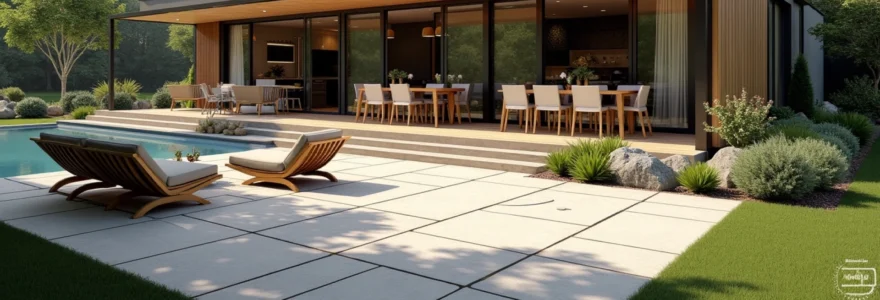
The modern outdoor living space has evolved far beyond simple patio furniture and basic landscaping. Today’s homeowners are embracing sophisticated design principles that seamlessly blend natural materials with contemporary functionality, creating stunning alfresco environments that rival any indoor space. The integration of organic elements into outdoor areas not only enhances aesthetic appeal but also promotes sustainability and creates harmonious connections between built and natural environments. This design philosophy reflects a growing awareness of biophilic principles, where natural materials serve as the foundation for creating spaces that nurture both physical comfort and psychological wellbeing.
Stone and rock integration techniques for contemporary patio design
Stone and rock elements form the backbone of sophisticated outdoor living spaces, offering durability, texture, and timeless appeal that weathers beautifully over decades. The strategic incorporation of these geological materials creates visual weight and structural integrity whilst establishing strong connections to the natural landscape. Modern stone integration techniques go far beyond traditional applications, embracing innovative construction methods and contemporary design principles.
Dry stone walling methods using cotswold limestone and yorkshire sandstone
Dry stone walling represents one of the most ancient and environmentally sustainable construction techniques, requiring no mortar whilst creating structures that can last centuries. Cotswold limestone, with its characteristic honey-coloured patina and excellent workability, provides exceptional aesthetic appeal for contemporary outdoor spaces. The stone’s natural bedding planes allow for precise fitting, creating stable structures that complement both traditional and modern architectural styles.
Yorkshire sandstone offers contrasting visual characteristics, with its robust grey tones and distinctive weathering patterns that develop beautiful lichen growth over time. The construction process involves careful selection of stones based on size, shape, and structural properties, with larger foundation stones providing stability and smaller stones filling gaps. Professional dry stone wallers often incorporate through stones at regular intervals, extending completely through the wall width to provide structural integrity and prevent lateral movement.
Gabion wall construction for modern retaining solutions
Gabion walls have emerged as increasingly popular features in contemporary landscape design, combining structural engineering with artistic expression. These wire mesh containers filled with carefully selected stones create dramatic visual statements whilst providing excellent drainage and flexibility. The technique allows for creative interpretation through stone selection, with options ranging from uniform river pebbles to dramatic angular quartzite.
Modern gabion construction often incorporates LED lighting systems within the mesh structure, creating stunning illuminated features for evening entertaining. The installation process requires careful consideration of foundation preparation, with proper drainage layers preventing water accumulation and potential structural issues. Galvanised steel mesh provides longevity, whilst stainless steel options offer premium durability in coastal environments.
Natural stone fire pit installation with weathered granite surrounds
Weathered granite provides exceptional heat resistance and aesthetic appeal for fire pit construction, with its crystalline structure capable of withstanding extreme temperature fluctuations without cracking. The material’s natural colour variations create visual interest, whilst its dense composition ensures long-term structural integrity. Professional installation involves creating proper foundations with drainage considerations, preventing moisture accumulation that could cause thermal shock during heating cycles.
The surrounding seating areas benefit from granite’s thermal mass properties, which store heat during operation and gradually release warmth after the fire subsides. Modern fire pit designs often incorporate gas systems with decorative stone elements, combining convenience with natural aesthetics. Flamed granite surfaces provide excellent slip resistance, enhancing safety around water and fire features.
Flagstone pathway design using welsh slate and indian sandstone
Welsh slate offers unparalleled elegance for pathway construction, with its fine-grained texture and excellent slip resistance making it ideal for high-traffic areas. The material’s natural cleavage properties allow for consistent thickness and smooth surfaces, whilst its dark colouration provides striking contrast against lighter architectural elements. Indian sandstone complements slate installations beautifully, offering warm earth tones and slightly textured surfaces that age gracefully.
Professional flagstone installation requires careful attention to base preparation, with proper sub-base materials ensuring long-term stability and preventing settling or cracking. The jointing materials significantly impact both aesthetics and longevity, with options ranging from traditional sand pointing to modern polymeric compounds that resist weed growth and erosion. Riven surface finishes provide authentic character whilst maintaining practical slip resistance in wet conditions.
Sustainable timber framework applications in alfresco environments
Timber construction in outdoor environments requires sophisticated understanding of wood species characteristics, joinery techniques, and weatherproofing strategies. The selection of appropriate timber species based on natural durability, structural properties, and aesthetic appeal forms the foundation of successful outdoor timber installations. Modern timber framework applications embrace both traditional craftsmanship and contemporary engineering principles, creating structures that combine visual warmth with long-term performance.
Cedar pergola construction with mortise and tenon joinery
Western red cedar provides exceptional natural durability for outdoor structures, with its inherent oils and tannins offering resistance to decay and insect damage without chemical treatments. The species’ stability and workability make it ideal for complex joinery work, whilst its distinctive grain patterns and warm colouration enhance any outdoor setting. Mortise and tenon joinery represents the pinnacle of traditional woodworking techniques, creating mechanical connections that strengthen over time as the timber seasons.
Professional pergola construction involves careful timber selection, with quarters-sawn boards offering superior stability and resistance to warping. The joinery cuts require precision machinery and skilled craftsmanship, with traditional hand tools often providing the finest finish quality. Drawbored tenons create exceptionally strong joints that actually tighten as the timber dries, eliminating the need for metal fasteners in many applications.
Reclaimed scaffold board decking installation techniques
Reclaimed scaffold boards offer exceptional character and sustainability credentials for outdoor decking applications, with their weathered surfaces and industrial heritage creating unique aesthetic appeal. These boards typically consist of dense hardwoods or high-grade softwoods that have proven their durability through years of demanding construction use. The reclamation process involves careful inspection, cleaning, and preparation to ensure structural integrity whilst preserving the authentic weathered appearance.
Installation techniques for reclaimed boards require adaptation to accommodate varying dimensions and surface conditions, with careful planning ensuring consistent visual appearance despite natural variations. The fixing methods must account for the boards’ seasoned condition and potential movement characteristics, often utilising hidden fixing systems that preserve the weathered surface appearance. Oil-based finishing systems enhance the natural patina whilst providing protection against moisture and UV degradation.
Green oak beam structures for outdoor dining pavilions
Green oak construction represents one of the most traditional and visually striking approaches to outdoor timber structures, with the material’s exceptional strength and distinctive character creating impressive architectural statements. The term “green oak” refers to freshly felled timber with high moisture content, which develops characteristic checking and movement patterns as it seasons in place. These natural characteristics add to the authentic appearance and demonstrate the living nature of the material.
The construction process requires specialist knowledge of traditional joinery techniques and timber behaviour, with complex joints cut to accommodate the expected movement as the oak dries. Professional installation often incorporates time-tested methods such as scribe rule layout and traditional marking techniques. Pegged mortise and tenon joints allow for natural movement whilst maintaining structural integrity, creating connections that actually strengthen as the timber seasons.
Thermally modified timber cladding for Weather-Resistant facades
Thermally modified timber represents a revolutionary advancement in sustainable wood treatment, using high-temperature processes to fundamentally alter the wood’s cellular structure without chemicals. This treatment dramatically improves dimensional stability, decay resistance, and weathering characteristics, making it ideal for exposed outdoor applications. The process typically involves heating timber to temperatures between 160-230°C in controlled atmospheric conditions, removing moisture and degrading hemicellulose components.
The resulting material exhibits significantly reduced moisture absorption and improved UV resistance, whilst maintaining the natural appearance and workability of untreated timber. Installation techniques mirror those for conventional timber cladding, but the improved stability allows for wider boards and reduced fixing requirements. Pre-weathered appearance emerges naturally during the modification process, creating beautiful silver-grey tones that remain stable over time.
Natural fibre and textile implementation for outdoor comfort zones
Natural fibres and textiles play crucial roles in creating comfortable, inviting outdoor living spaces that seamlessly blend functionality with aesthetic appeal. The selection of appropriate materials for outdoor textile applications requires understanding of fibre characteristics, weather resistance, and maintenance requirements. Modern textile technologies have revolutionised outdoor fabric performance, whilst traditional natural fibres continue to offer unique advantages in specific applications.
Hemp textiles provide exceptional durability and UV resistance for outdoor canopy applications, with the natural fibre becoming stronger when wet and developing improved characteristics through weathering. The material’s natural antimicrobial properties resist mould and mildew development, whilst its breathable structure allows air circulation that prevents condensation accumulation. Hemp canvas construction typically involves tight weaving patterns that provide weather protection whilst maintaining flexibility for structural movement.
Linen fabrics offer superior comfort characteristics for outdoor cushioning and upholstery applications, with the flax fibres providing natural temperature regulation and moisture wicking properties. The material’s natural lustre and draping characteristics create elegant appearances that complement both traditional and contemporary design schemes. Stone-washed linen treatments enhance softness whilst maintaining the fabric’s inherent durability and improving its weather resistance through natural breakdown of pectin compounds.
Natural textile integration requires careful consideration of maintenance requirements, colour stability, and structural compatibility with outdoor furniture frames and support systems.
Wool felting techniques create exceptional insulation and weather resistance for outdoor seating applications, with the natural lanolin content providing water repellency whilst maintaining breathability. The felting process involves controlled matting of wool fibres through moisture, heat, and pressure, creating dense materials that resist water penetration whilst remaining comfortable for extended use. Modern wool felting often incorporates sustainable practices using locally sourced fleeces and low-impact processing methods.
Cotton canvas applications provide versatile solutions for temporary and seasonal outdoor installations, with the natural fibre offering excellent printability for decorative applications whilst maintaining practical weather resistance. Heavy-duty cotton duck construction typically involves multiple ply weaving and water-repellent treatments that enhance durability without compromising the natural fibre characteristics. Organic cotton options support sustainable practices whilst providing equivalent performance characteristics for environmentally conscious installations.
Water feature integration using organic materials and geological elements
Water features incorporating natural materials create focal points that engage multiple senses whilst providing cooling effects and wildlife habitat opportunities. The integration of organic and geological elements requires sophisticated understanding of hydraulic principles, material compatibility, and ecological considerations. Modern water feature design embraces both aesthetic and functional objectives, creating installations that enhance outdoor living experiences whilst supporting environmental sustainability.
Natural stone water features utilise the inherent properties of different rock types to create varied visual and acoustic effects, with granite providing smooth water flow characteristics whilst limestone creates interesting mineral staining patterns over time. The selection of appropriate stone types depends on local geology, design objectives, and long-term maintenance considerations. Sandstone offers excellent carving possibilities for custom water spouts and decorative elements, whilst slate provides dramatic colour contrasts and natural layering effects.
Reclaimed timber elements create striking contrasts with water features, particularly when incorporating naturally rot-resistant species such as teak, cedar, or chestnut. The weathering characteristics of different timber species create evolving aesthetic effects, with silver-grey patinas developing over time and enhancing the natural integration with surrounding landscapes. Driftwood elements provide authentic coastal characteristics whilst offering habitat opportunities for beneficial insects and small wildlife.
The acoustic properties of water features depend significantly on the selection and arrangement of natural materials, with different combinations creating unique sound signatures that enhance the sensory experience of outdoor spaces.
Pebble and aggregate installations offer sustainable alternatives to traditional concrete construction, utilising locally sourced materials that support regional economies whilst reducing transportation impacts. River pebbles provide smooth surfaces that enhance water flow characteristics whilst creating naturalistic appearances that blend seamlessly with planted areas. The grading and selection of aggregates significantly impacts both hydraulic performance and visual appeal, with careful sizing creating optimal water circulation and filtration effects.
Living rock installations incorporate growing elements such as moss and lichen that develop naturally over time, creating authentic ecosystem characteristics whilst providing habitat for beneficial organisms. The establishment of these biological communities requires careful attention to moisture levels, nutrient availability, and environmental conditions. Tufa stone applications provide excellent growing media for specialised plant communities whilst contributing interesting textures and mineral staining patterns to water feature designs.
Botanical hardscaping with living architecture and natural substrates
Botanical hardscaping represents the sophisticated integration of living plants with structural elements, creating outdoor spaces that evolve and mature over time whilst providing functional benefits. This approach requires understanding of plant growth characteristics, structural engineering principles, and long-term maintenance requirements. The selection of appropriate plant species and growing media forms the foundation of successful living architecture installations.
Sedum green roof systems for garden room extensions
Sedum roof systems provide exceptional environmental benefits whilst creating distinctive architectural features that integrate seamlessly with garden landscapes. These succulent plants offer excellent drought tolerance and low maintenance requirements, making them ideal for extensive green roof applications. The root systems typically remain shallow, reducing structural loading requirements whilst providing effective insulation and stormwater management benefits.
Installation involves carefully engineered layered systems including waterproofing, drainage, growing medium, and plant establishment components. The growing substrate typically consists of lightweight aggregates mixed with organic matter to provide adequate nutrition whilst maintaining proper drainage characteristics. Modular installation systems allow for efficient installation and future maintenance access, whilst providing flexibility for design modifications and plant community adjustments.
Natural cork and bamboo composite flooring solutions
Cork and bamboo composite materials offer sustainable alternatives to traditional outdoor flooring options, combining rapid renewability with excellent performance characteristics. Cork harvesting involves removing bark from oak trees without damaging the living tree, allowing multiple harvests over the tree’s lifespan whilst supporting forest conservation. Bamboo represents one of the fastest-growing plants on earth, with some species achieving harvestable size within three to five years.
The manufacturing process typically involves bonding natural fibres with eco-friendly adhesives to create dimensionally stable products suitable for outdoor applications. Surface treatments using natural oils and waxes provide weather resistance whilst maintaining the authentic appearance and tactile characteristics of the source materials. Interlocking installation systems enable efficient installation over various subfloor conditions whilst allowing for thermal movement and seasonal adjustments.
Coir fibre matting for erosion control and aesthetic enhancement
Coir fibre matting utilises coconut husk fibres to create biodegradable erosion control solutions that support plant establishment whilst providing immediate soil stabilisation. The natural lignin content in coir fibres provides resistance to saltwater and UV exposure, making these materials particularly suitable for coastal applications and challenging environmental conditions. The fibrous structure creates excellent water retention characteristics whilst maintaining porosity for root penetration and drainage.
Installation typically involves securing matting to prepared slopes using biodegradable pins or stakes, with plant establishment occurring through the matting structure. The decomposition characteristics of coir allow the material to provide protection during critical plant establishment periods before gradually breaking down and incorporating into the soil structure. Woven coir products offer varying densities and decomposition rates to match specific site conditions and plant establishment requirements.
Hemp-based textile applications in outdoor canopy structures
Hemp textiles provide exceptional durability and environmental sustainability for outdoor canopy applications, with the natural fibre offering superior strength-to-weight ratios compared to many synthetic alternatives. The cultivation of hemp requires minimal pesticides and fertilisers whilst providing rapid growth cycles and high fibre yields per hectare. The resulting textiles exhibit excellent UV resistance and maintain structural integrity through multiple weather cycles.
Canvas construction using hemp fibres typically involves tight weaving patterns that provide weather protection whilst maintaining breathability and flexibility. Natural hemp colours range from cream to light brown tones, whilst natural dyeing processes using plant-based materials create environmentally responsible colour options. The aging characteristics of hemp canvas create attractive patina effects that enhance rather than detract from the material’s appearance over time. Organic hemp cultivation supports sustainable agricultural practices whilst ensuring textile products remain free from chemical residues that might affect indoor air quality or environmental impact.